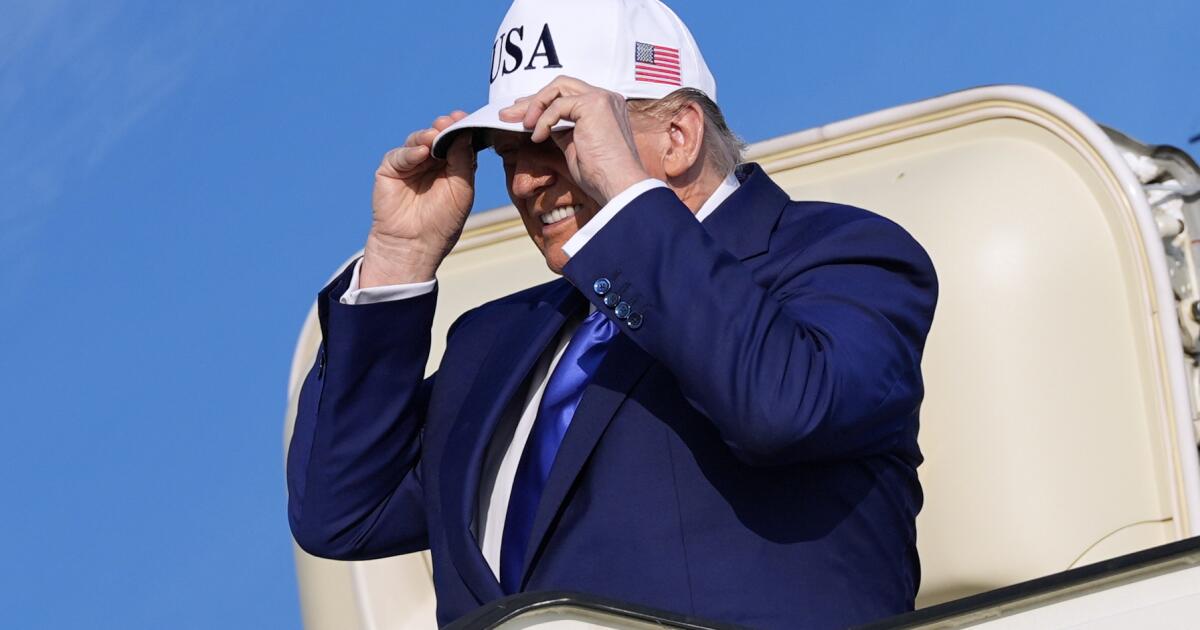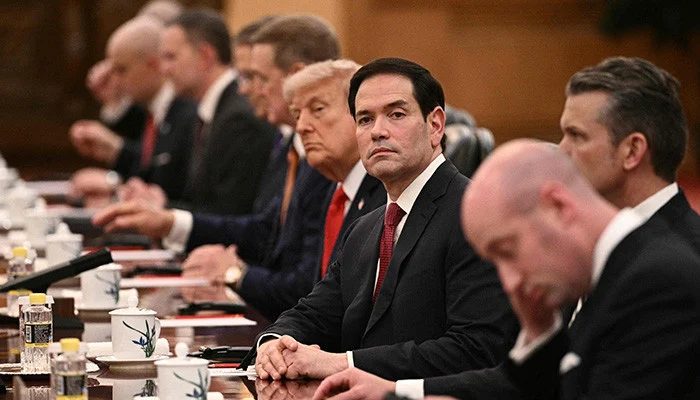
Accompanying President Donald Trump on his first visit to China, US Secretary of State Marco Rubio traveled to Beijing after a diplomatic solution that involved a change in the Chinese transliteration of his name, despite existing sanctions imposed by Beijing.
Rubio, who had previously been sanctioned twice by China during his tenure as a US senator for his outspoken criticism of human rights issues, was excluded from access to his previously transliterated name.
To allow his entry without formally lifting sanctions, Chinese authorities began transliterating the first syllable of his surname with a different Chinese character for “lu.”
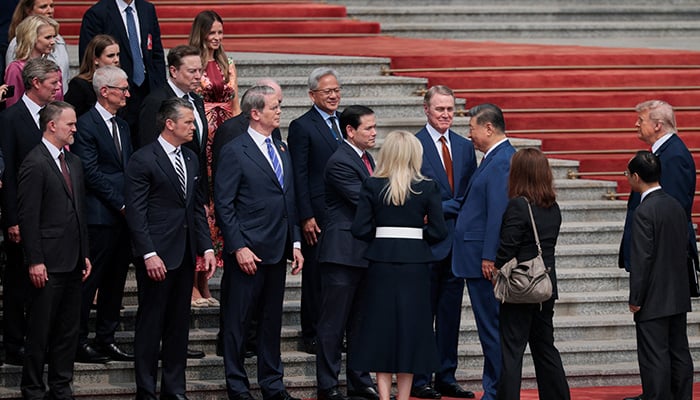
The linguistic adjustment is considered a pragmatic diplomatic solution, which will allow China to maintain its sanctions while continuing to collaborate with Rubio in his new role as US Secretary of State.
Ahead of this visit, China said Tuesday that it would not prevent Rubio, now 54 and visiting China for the first time, from boarding Air Force One with Trump, the first U.S. president to visit the Asian power in nearly a decade.
“The sanctions target Mr. Rubio's words and deeds when he served as a U.S. senator regarding China,” said Chinese embassy spokesman Liu Pengyu.
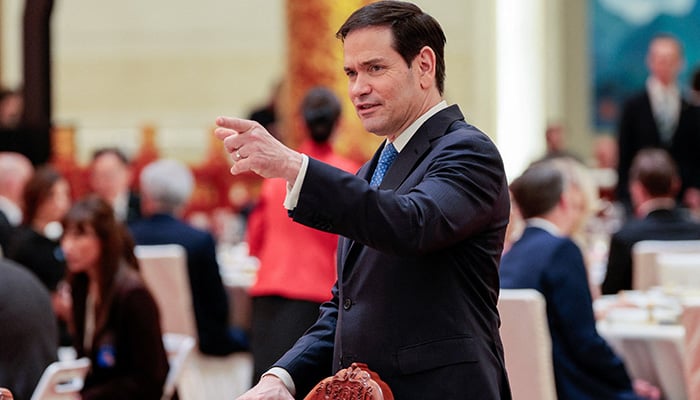
Two diplomats said they believed the change was an immediate way for China to avoid implementing its sanctions, since Rubio was banned from entering under the old spelling of his name.
A State Department official had only confirmed that Rubio was traveling with Trump.
After becoming secretary of state, Rubio, an outspoken critic of communism, supported Trump, who describes his counterpart Xi Jinping as a friend and has focused on building a trade relationship with China.
— Additional information from AFP