The military command raises threats a day after Qatari mediators praised “positive progress” in indirect talks between the United States and Iran.
Published on July 3, 2026
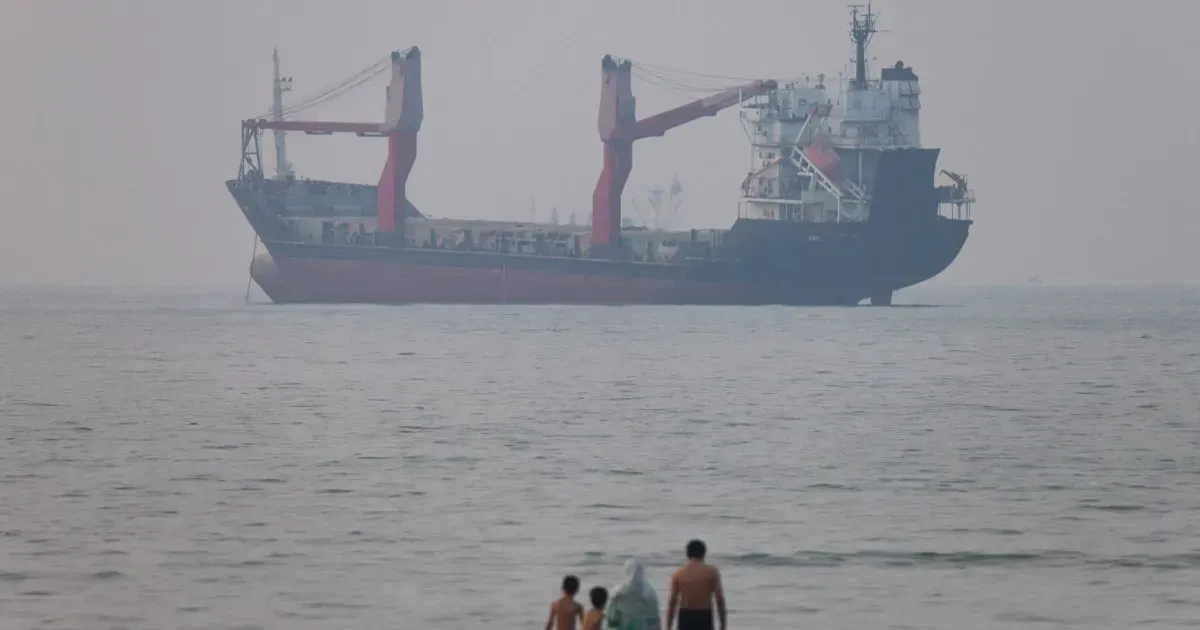
Iran's military command has threatened ships attempting to cross the Strait of Hormuz using unapproved routes with a “strong response,” raising new doubts about trade flows in the critical conduit for global energy supplies.
Iran's Central Headquarters, Khatam al-Anbiya, issued the threat on Thursday, a day after Qatari mediators praised indirect negotiations between US and Iranian officials as “positive progress” towards a peace deal.
Recommended stories
list of 4 itemsend of list
“Any non-compliance and deviation from the designated route or non-compliance with the navigation protocols of the Islamic Republic of Iran in the Strait of Hormuz will face an immediate and forceful response from the armed forces, and will jeopardize the safety of the offending vessels,” the military command said in a statement carried by the country's semi-official Tasnim news agency.
While Tehran did not specify what prompted the warning, it came after the US Central Command (CENTCOM) said on Wednesday that it had chaired a security dialogue in Bahrain during which regional leaders expressed their commitment to the “free flow of trade” in the strait.
Iranian Deputy Foreign Minister Kazem Gharibabadi criticized Thursday's CENTCOM statement, saying the forum “cannot establish legal order and security for the Persian Gulf.”
“The security of the region will be guaranteed through the end of US interventions and withdrawal from the area, respect for the sovereignty of the countries and acceptance of new geopolitical realities, not under the military umbrella of the United States,” Gharibabadi said in a post on X.
The Strait of Hormuz, which facilitated about a fifth of the world's oil and liquefied natural gas trade before the US-Israel war against Iran began in late February, has become a major sticking point in talks between Washington and Tehran aimed at turning their fragile ceasefire into lasting peace.
While Iran agreed to use its “best efforts” to arrange the safe passage of ships through the strait in the memorandum of understanding it signed with the United States on June 17, Tehran has repeatedly threatened to attack ships that do not use its preferred route near the Iranian coast.
According to MarineTraffic, at least 49 attacks on commercial ships have been recorded in the strait since the start of the war on February 28.
Most of those incidents, including drone attacks on a Singapore-flagged cargo ship and a Panama-flagged merchant ship on Thursday and Saturday, respectively, have been attributed to Tehran.
While transits through the waterway have increased since U.S. President Donald Trump and Iranian President Masoud Pezeshkian signed their memorandum of understanding on June 17, they remain far below the roughly 130 daily crossings that took place before the conflict.
At least 45 vessels crossed the strait on Wednesday, up from 34 on Tuesday, according to MarineTraffic data.
After falling to pre-war levels on Thursday on reports of productive talks in Doha, oil prices were largely stable as markets opened in Asia on Friday.
Brent futures for August delivery stood at $72.07 a barrel at 0230 GMT, after falling below $71 for the first time since the war the previous day.