In a high-stakes decision that will shape California's economy for years, air officials on Friday night approved a sweeping overhaul of the state's signature cap-and-invest climate program.
The 10-3 vote by the California Air Resources Board determines how aggressively the Golden State will curb planet-warming greenhouse gas emissions in the coming years, and how billions of dollars in revenue will flow through communities, businesses and public programs across the state.
Cap-and-invest was a national leader when it was launched in 2013. The program forces major polluters to pay their share of emissions by buying allowances at auction or granting them for free. Use the revenue to fund public transportation projects, wildfire prevention, affordable housing, clean energy, electric vehicles and clean water.
The pollution limit (or cap) decreases each year, reducing the total amount of emissions in the state and helping California achieve its ambitious climate goals, including 100% carbon neutrality by 2045.
The Legislature voted last year in favor extend the cap and investment system until 2045. Air Resources Board officials spent the last few months drafting and revising the plan voted on this week, which received considerable feedback from oil and gas companies, environmental groups, lobbyists and legislators, all competing for different priorities.
About 200 people testified in person during the marathon two-day meeting that preceded the vote, and the final proposal was received. more than 1,000 written comments.
Industry groups warned that limiting emissions too much, too quickly would drive refineries out of the state and raise already rising energy costs. But environmentalists and other stakeholders said giving too many concessions to fossil fuel interests would defeat the purpose of the program, which is to reduce emissions along a path consistent with what scientists say could preserve a recognizable climate.
The program was always planned to become stricter as the years went by, to give companies more time to make further reductions in their emissions.
Officials were under legal, market and budgetary pressure to approve a plan without delay, and they also said it is important for California to signal certainty in the market.
“It is no secret that climate policy is at a crossroads: under attack by an openly hostile, well-funded opposition and unhinged by global economic turmoil,” CARB Chair Lauren Sanchez said during the meeting. “In a time of uncertainty at the federal and international levels, California has the opportunity to lead with coherence.”
Among the program's key updates is removing 118 million pollution permits or allowances from the market by 2030, and 900 million after 2030. Officials say this will amount to a sharp 11% annual reduction in the cap by the end of this decade, and 7% from 2031 to 2045, in line with state-mandated goals.
Most importantly, however, the update will also create a new set of 118 million allowances over the limit that polluters can apply for and receive if they invest in decarbonization projects, a program called the Manufacturing Decarbonization Incentive.
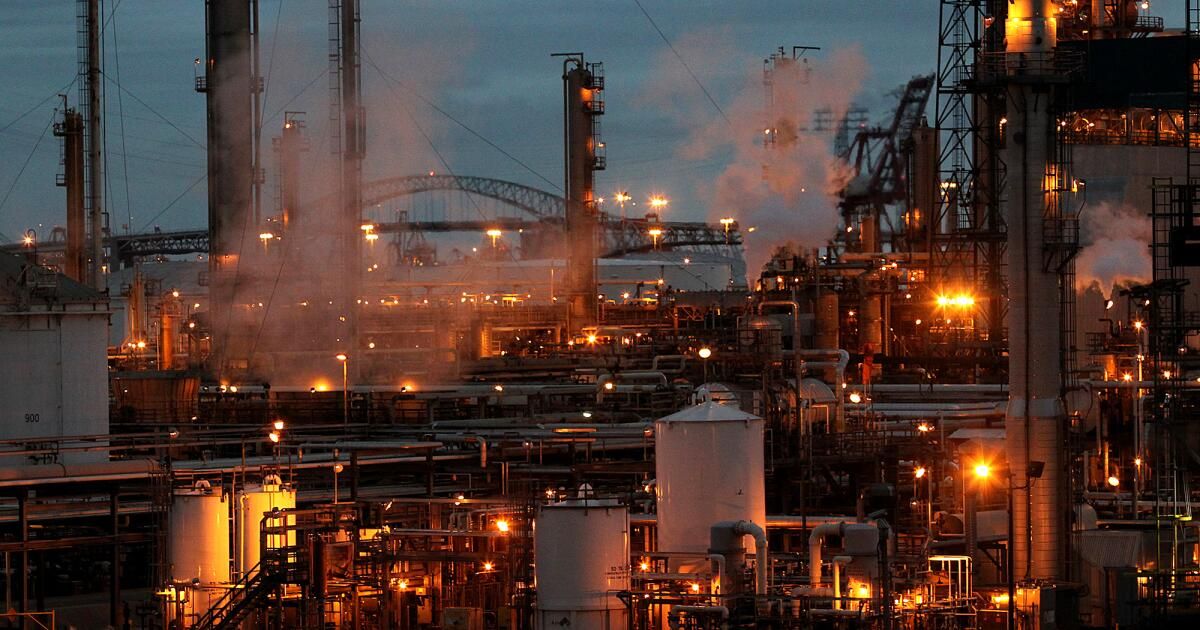
The incentive program is intended to discourage regulated industries from leaving the state. Two major refiners have announced exit plans in recent years, including Valero's Benecia refinery and Phillips 66's Los Angeles refinery, which closed in 2025.
But many critics — including transit, affordable housing, environmental justice and clean water groups — said this amounts to a dismantling of the program.
“CARB has proposed creating exactly 118.3 million additional allowances… off the cap, the precise number of allowances that must be removed from the cap to keep us on track toward our 2030 goals,” said Caroline Jones, senior analyst at the nonprofit Environmental Defense Fund. “This undermines the cap's role in limiting climate pollution, which is the core function of this program.”
The board approved the decarbonization incentive, but committed to conducting additional workshops and evaluations of the program before issuing any allocations for it.
Other updates include more free allocations for industrial facilities and refineries, which regulators say will help reduce pressure on gasoline prices. Critics described the free permits as subsidies for oil and gas.
The update will also move some allocations from gas to electric services and increase funding for the California Climate Credit, a rebate that automatically appears on people's utility bills.
But perhaps most controversial is how the update will affect the program's multimillion-dollar revenue, which flows into the state's Greenhouse Gas Reduction Fund each year and is distributed to various programs. Cap-and-invest has provided $35 billion for climate projects in California since its inception.
The new incentive fund will mean a loss of $2 billion annually for the fund, or about half the amount it has received in recent years, according to a report. analysis from the Legislative Analyst's Office.
While the Air Resources Board does not determine how the fund is divided (that's the Legislature), opponents warned this could amount to significant cuts to the Affordable Housing and Sustainable Communities Programhe Low Carbon Transit Operations Programthe SAFER drinking water program and the Community Air Protection Program, among many others that depend on capping and investing revenue.
“This could create serious consequences, including a potential zeroing of state support for critical emissions reduction programs,” said Phillip Fine, executive director of the Bay Area Air District. “Striking the right balance is critical, but all consequences must be fully considered.”
It was a sentiment echoed by many who made comments during the board meeting.
“These additional allocations would not only jeopardize our emissions goals, but would also flood the auction market and depress cap-and-invest revenues,” said Pam Odell of the group Climate Action California. “These revenues fund vital programs, promote climate resilience, clean traffic and transportation, and public health, especially in the most exposed frontline communities.”
However, some groups supported the upgrade, including Southern California Edison and Pacific Gas & Electric. The plan strikes a “balance between program rigor and affordability,” Fariya Ali, PG&E’s air and climate policy manager, said during the meeting.
Assemblywoman Jacqui Irwin (D-Thousand Oaks), author of the bill that reauthorized the program last year, cautiously supported it, saying she would like to see more barriers around the incentive program to ensure it aligns with state climate goals. But delaying the update would only create more uncertainty at a time when the Trump administration is already canceling clean energy funding and revoking California's authority to set clean vehicle standards, he said.
“If we do not adopt the proposed cap-and-reverse amendments now, it would be without a doubt the biggest victory the Trump administration could hope to achieve against California's climate policies this year,” Irwin said.
Oil and gas groups were lukewarm. Jodie Muller, CEO of Western States Petroleum Assn., said the update provides some short-term relief for refiners but leaves too much uncertainty after 2030 to drive continued investment.
Brian McDonald, regulatory affairs manager for Marathon Petroleum Corp., similarly said the oil company is “deeply concerned that the current proposal does not go far enough to provide the regulatory certainty necessary to sustain fuel production in the state.”
In a briefing before the vote, California climate economist Danny Cullenward said the update threatens both the “cap” aspect of the program by introducing the new appropriations fund, and the “investment” aspect by threatening to reduce the program's revenue.
The proposal “is presented as a compromise when in reality it sacrifices both key objectives of the program,” he said.
The new plan is scheduled to take effect on September 1.