Microsoft used Build 2026 to preview Project Solara, one of the first platforms for enterprise devices built around AI agents rather than conventional applications.
The concept is not a finished Microsoft device or a product ready for purchase. It's a look at how AI agents could be moved to managed devices in the workplace with identity checks, cameras, microphones, cloud services, and enterprise security requirements built in from the start.
What is the Solara Project?
Microsoft describes Project Solara as a “chip-to-cloud” platform for agent-first experiences. Instead of focusing on traditional applications, Solara is designed for devices that allow users to interact with AI agents across workplace workflows, data and services.
Solara is based on the Microsoft Device Ecosystem Platform, or MDEP, a platform based on the Android open source project for device manufacturers and software developers. That makes Solara different from Windows-based AI experiences, even as Microsoft continues to add more agent capabilities to Windows and developer tools in Build 2026.
Microsoft says Solara is being designed for a multi-agent world, including Microsoft agents and agents that organizations build or obtain themselves. The company also frames Solara as a lightweight device interface with longer-lasting intelligence and action, and Azure is expected to support cloud-scale agent experiences.
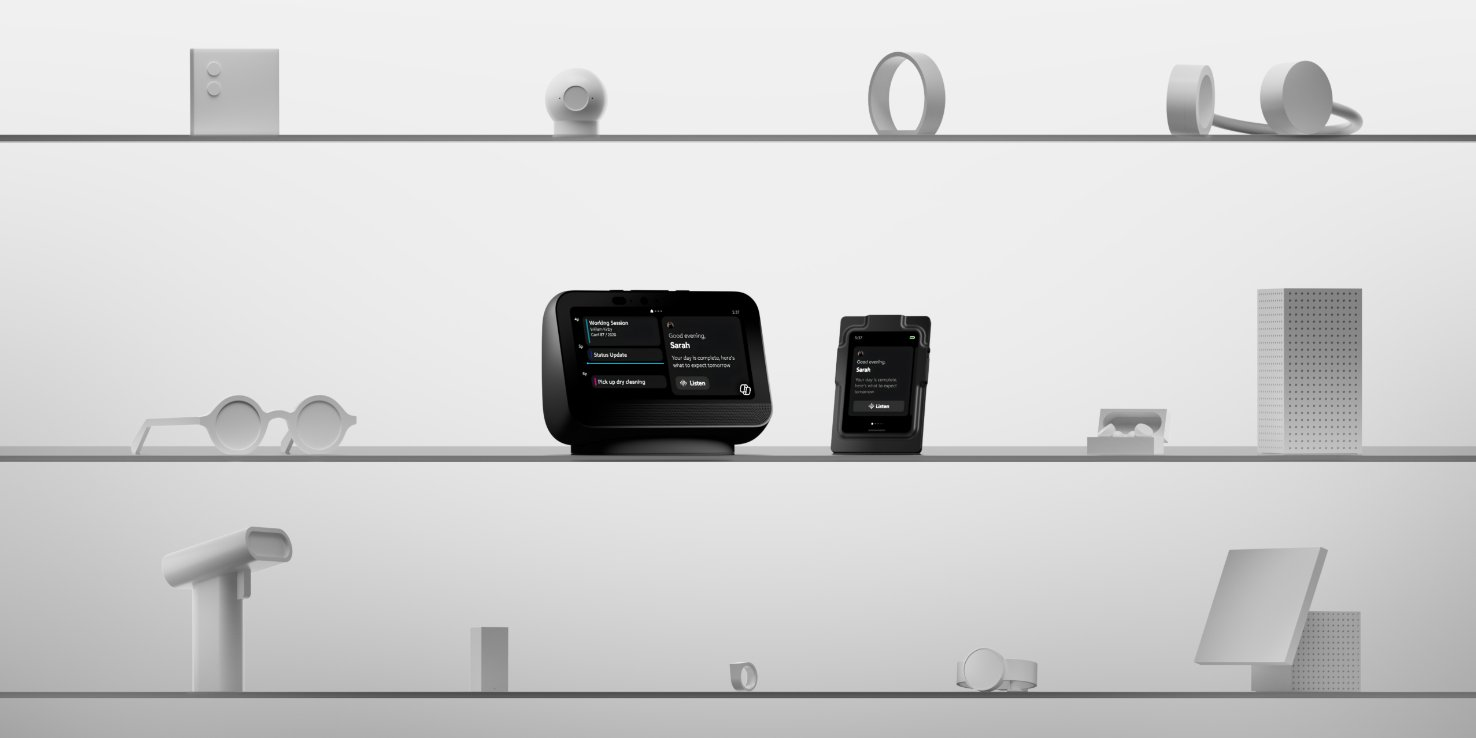
The company showed off two reference concept designs at Build: a desktop device and a wearable flagship. The desktop concept includes facial authentication, microphone mute controls, USB-C ports, and optional support for Windows 365 clients, while the flagship concept brings Microsoft's agent-device strategy closer to recent discussions about wearable AI devices in the workplace, with a touchscreen, fingerprint sensor, privacy switch, side camera, and 5G connectivity.
Those concepts are not expected to ship as Microsoft products; They are intended to guide partners building hardware around the Solara platform, according to The Verge.
What Solara means for enterprise IT
For enterprise technology teams, Solara points to a future where AI agents are not limited to laptops, browsers, or chat windows. The same shift is already manifesting in RTX Spark PCs for AI agents, while Solara extends the idea to dedicated workplace devices used in healthcare, retail, field operations, hospitality, logistics, or other frontline environments.
That change would raise familiar questions about IT in a new way. A Solara-style device may need access to workplace data, user identity, microphones, cameras, recordings, transcriptions, and cloud-based agent services. As with Microsoft's recent Copilot Health privacy questions, device management, authentication, data retention, consent, and compliance would be critical to any future deployment.
Reference designs include enterprise controls such as Intune management, Entra ID sign-in, Windows Hello for Business, privacy controls, and approved chipsets. Those details are important because the agent hardware would likely be evaluated not only as a productivity tool, but also as a managed endpoint.
Healthcare is one use case Microsoft is exploring. Their post on Solara says Dragon Copilot is an area where Microsoft is exploring agent workflows for clinicians, including support for documentation, contextual information, and tracking tasks during care.
The first silicon partners for Solara's conceptual designs are Qualcomm and MediaTek. Microsoft says private pilots are planned in the coming months with AccuWeather, Best Buy, CVS Health, Levi's, Target and others.
For now, Solara remains a preview of the platform. Microsoft hasn't announced general availability, pricing, commercial hardware, or regional rollout timelines, so the short-term takeaway is caution: Keep track of the device strategy, but don't treat Solara as if it's ready for purchase.
Also read: Microsoft's new Windows AI features Show how agent controls are moving deeper and deeper into PCs.