to the editor: The numbers presented by Medicare and Medicaid Services Administrator Mehmet Oz and Deputy Administrator and Chief Operating Officer Kim Brandt are impressive, but they don't show the full picture (“Medicare's new approach to stopping fraud is paying off,” July 9). In California, part of the administration's tactic was to suspend funding affecting all hospice providers… for months. For companies that provide a real service, the consequences were dire.
The hospice company my elderly mother uses could no longer pay its employees. The nurse who regularly visited my mother lost his house, had to move in with his parents, and eventually had to look for another job. The problem is that when payments finally resumed, Medicare paid interest on the funds they had withheld. So much for saving money.
Karen Ricks, Los Angeles
..
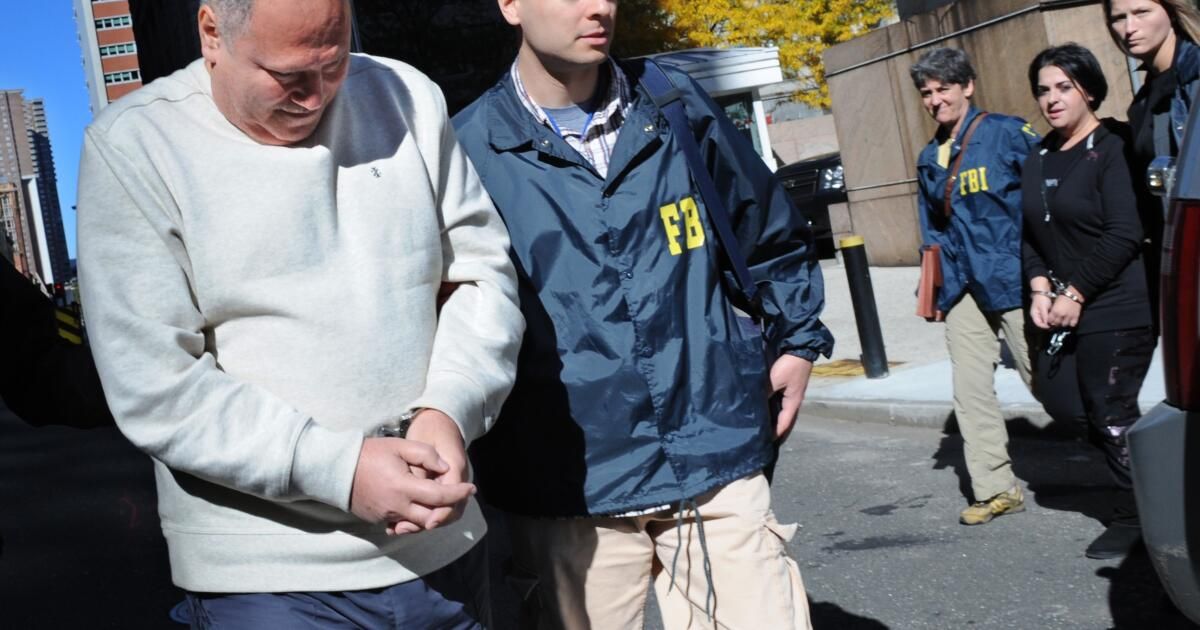
to the editor: Oz and Brandt praise the success the Centers for Medicare and Medicaid Services has had in reducing fraud. “One of the keys to success has been to finally recognize the magnitude of the problem and adapt appropriately,” they write. They seem oblivious to the fact that they are running a catch-and-release program in which their boss, President Trump, has granted clemency to some of the biggest fraudsters in the system.
Salomon Melgen He was an ophthalmologist from Florida who was convicted of defrauding the government of $100 million. Trump commuted his 17-year prison sentence. Felipe Esformes had been sentenced to 20 years in prison for a massive $1.3 billion Medicare fraud scheme. Trump also commuted his sentence.
Good job, Oz and Brandt, but please urge Trump to stop pardoning the Medicare and Medicaid fraudsters they catch.
Todd Collart, Ventura