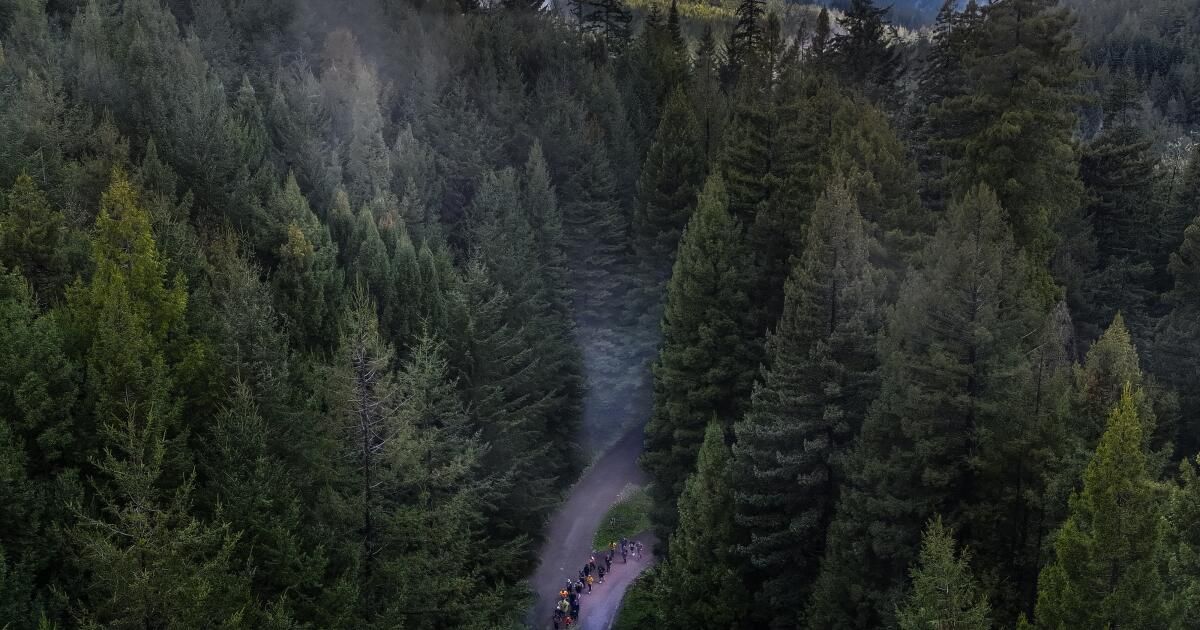
to the editor: This article notes that if the bill passes, tribal nations would help guide restoration in 14 publicly managed forests, representing tens of thousands of acres (“After exile, California tribes could help oversee ancient redwoods again.” May 10). That scale matters.
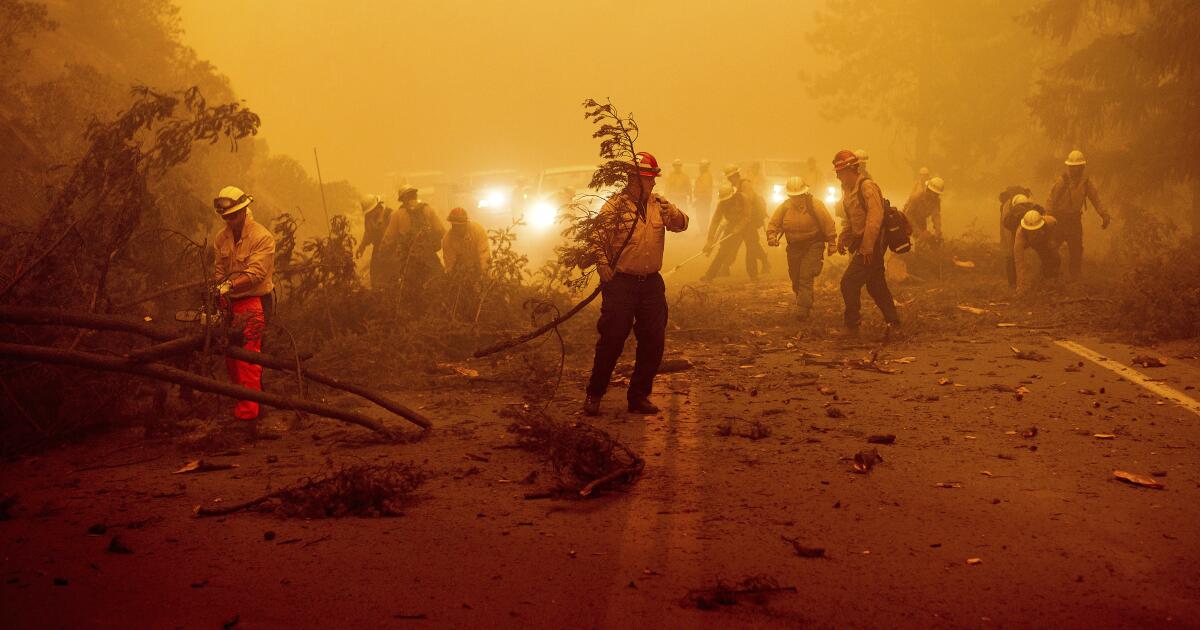
For decades, agencies neglected tribal knowledge as fuel loads increased and forests became more vulnerable.
What makes this change so encouraging is its practical nature. Cultural burning and tribal stewardship are not symbolic gestures; They are evidence-based, place-based practices that shaped resilient forest ecosystems long before Western fire science existed. In a warmer, drier, and more fire-prone climate, reducing dense, flammable understory fuels is not optional; It is essential to protect nearby communities.
These partnerships do more than restore forests. They rebuild trust, foster shared responsibility, and show what collaboration can look like when the state treats the ancient wisdom of our state's tribes with the respect it deserves and not as an afterthought.
At a time when so many environmental debates become contradictory more often than not, this is a model worth expanding.
Jennifer Normoyle, Hillsborough, California.