'Gutfeld!': Make daylight saving time permanent
Sean Davis, CEO and co-founder of The Federalist, along with comedian Joe Machi, are passionate advocates for making daylight saving time permanent. Davis humorously states that “mornings are stupid,” emphasizing the desire to receive sunlight in the afternoon, when more people are awake. Machi emphasizes the safety and enjoyment of children being able to see at night when they are picked up from their after-school activities.
NEWNow you can listen to Fox News articles!
Spending more time in daylight could help people fall asleep earlier and have deeper sleep at night, according to new research.
A study led by researchers at the University of Manchester found that adults with brighter, more consistent daylight exposure tended to fall asleep earlier, wake up earlier, and experience deeper sleep during the first part of the night.
The findings, published in the journal NPJ Biological Timing and Sleep, were based on more than 500 days of data collected from 89 adults wearing light sensors and sleep trackers while keeping daily sleep diaries.
DOCTORS SAY 8 FORGOTTEN HABITS COULD HELP FIGHT STRESS, OBESITY AND CHRONIC DISEASES
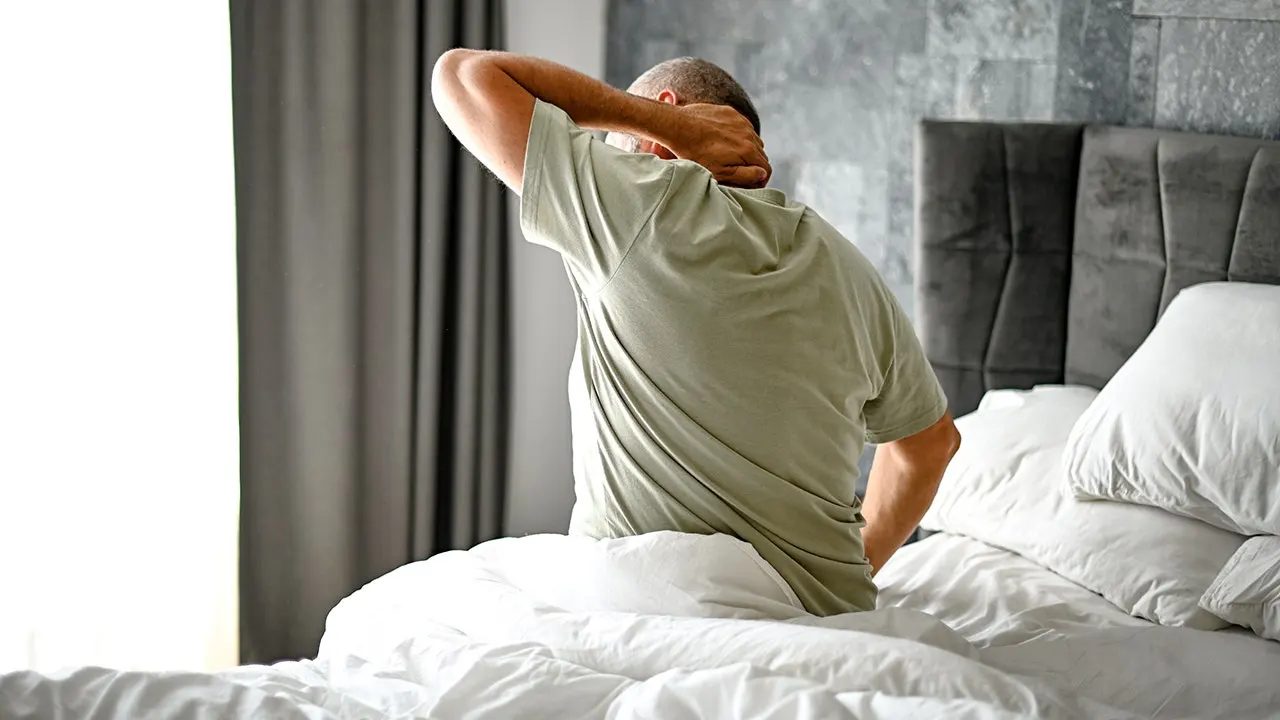
Getting more sunlight during the day may help people fall asleep earlier and experience deeper sleep at night, new research suggests. (iStock)
Participants who spent more time in brighter daylight generally fell asleep and woke up earlier than those with less light exposure. According to the study, those with more consistent daylight exposure also experienced a healthier sleep schedule and deeper sleep early in the evening.
Jennifer Martin, Ph.D., a clinical psychologist and professor at Florida International University's Herbert Wertheim College of Medicine, said the findings align with what sleep experts already know about how light affects the body's internal clock.
“Light affects human sleep through a specific pathway, starting with the eye,” Martin, who was not involved in the study, told Fox News Digital.
CLICK HERE FOR MORE HEALTH STORIES
“When light hits specific cells in the retina, it tells the brain that it is daytime, which means we should be alert and active.”
Morning light is especially beneficial because it helps keep the body's sleep-wake cycle constant, Martin said. She recommends spending time outdoors early in the day when possible.
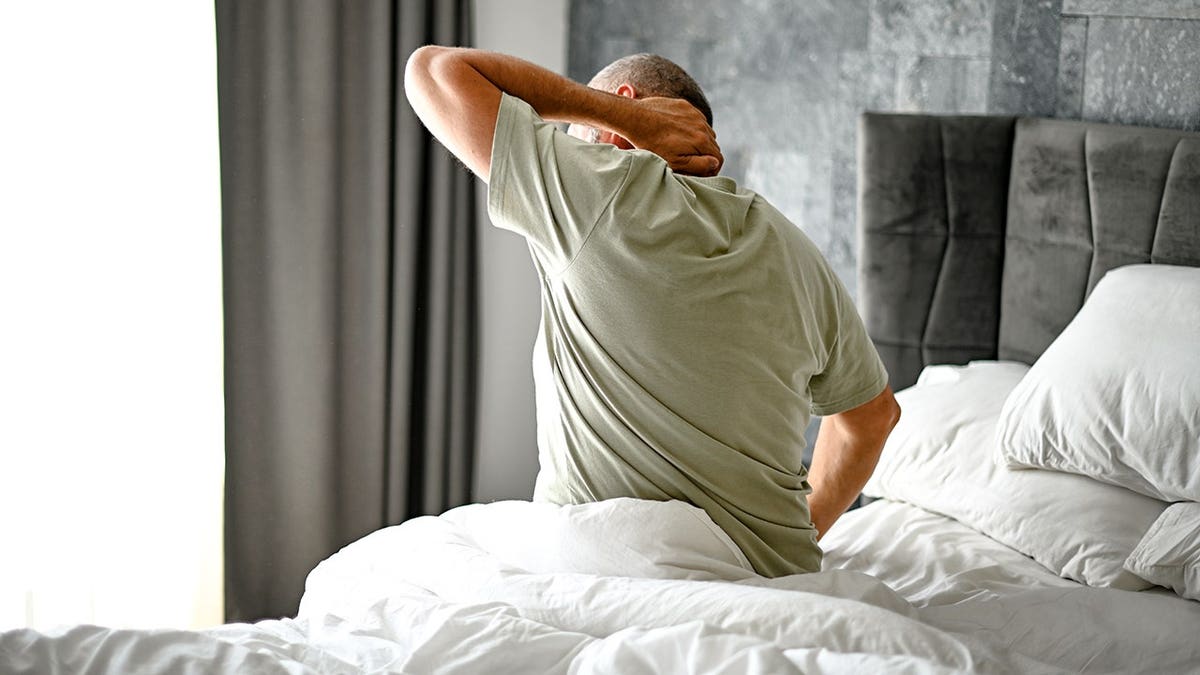
Light helps signal to the body that it's time to be awake, experts say. (iStock)
“Exposure to sunlight early in the day is really good for healthy sleep,” she said. “Regular morning light helps people feel sleepy at around the same time each night and develop a solid sleep routine.”
Limiting bright light at night can also help improve sleep, Martin said.
CLICK HERE TO SUBSCRIBE TO OUR HEALTH NEWSLETTER
She recommends avoiding bright light in the last few hours before bed and keeping a consistent wake-up time each morning.
“Varying your wake time by more than an hour can cause a feeling of 'jet lag' and contribute to problems getting a good night's sleep on a regular basis,” Martin said.
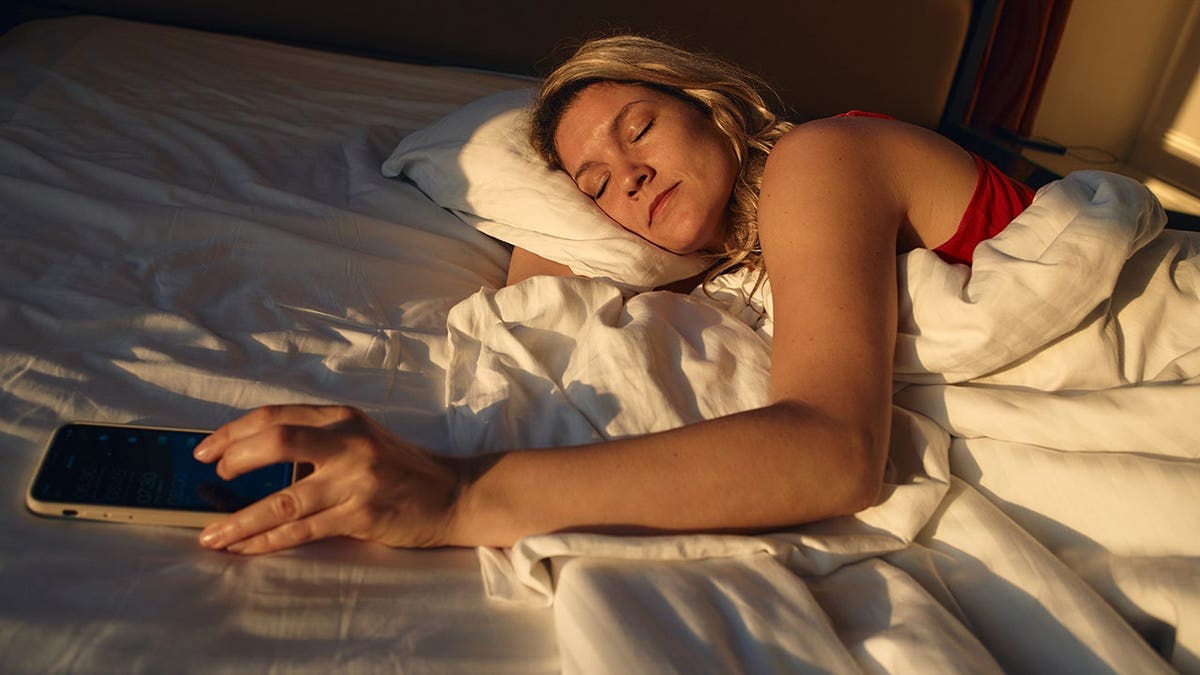
Avoiding bright light during the last few hours before bed and maintaining a consistent wake-up time each morning can also contribute to healthy sleep. (iStock)
He added that adults should try to get at least seven hours of sleep each night and seek help from a sleep specialist if sleep problems become chronic.
While the findings suggest that brighter light during the day may promote healthier sleep, the researchers said the study has several limitations.
CLICK HERE TO DOWNLOAD THE FOX NEWS APP
They noted that the research found an association between daylight exposure and sleep patterns, but did not prove that one directly caused the other.
The researchers also measured light exposure using devices worn on the wrist rather than in the eyes, where light directly influences the body's internal clock, and did not take into account factors such as physical activity or meal timing that could affect sleep.
Fox News Digital reached out to the study's researchers for comment.