NEWNow you can listen to Fox News articles!
A Hollywood executive who spent nearly two decades helping American studios break into China's film market now says the industry has become too dependent on Beijing, and says his latest film shows how things can change.
Chris Fenton, a veteran producer who worked to bring major releases like “Iron Man 3” to Chinese audiences, later became an outspoken critic of Hollywood's dependence on China, writing about his concerns in his 2020 book, “Feeding the Dragon.”
“We were really at a pioneering and pivotal point in terms of collaborating with that superpower and bringing a product and service that had never been in that market before in any serious, monetizable way,” Fenton told Fox News Digital. “And we did it for over a decade during the glory days between the United States and China in terms of the entertainment business.”
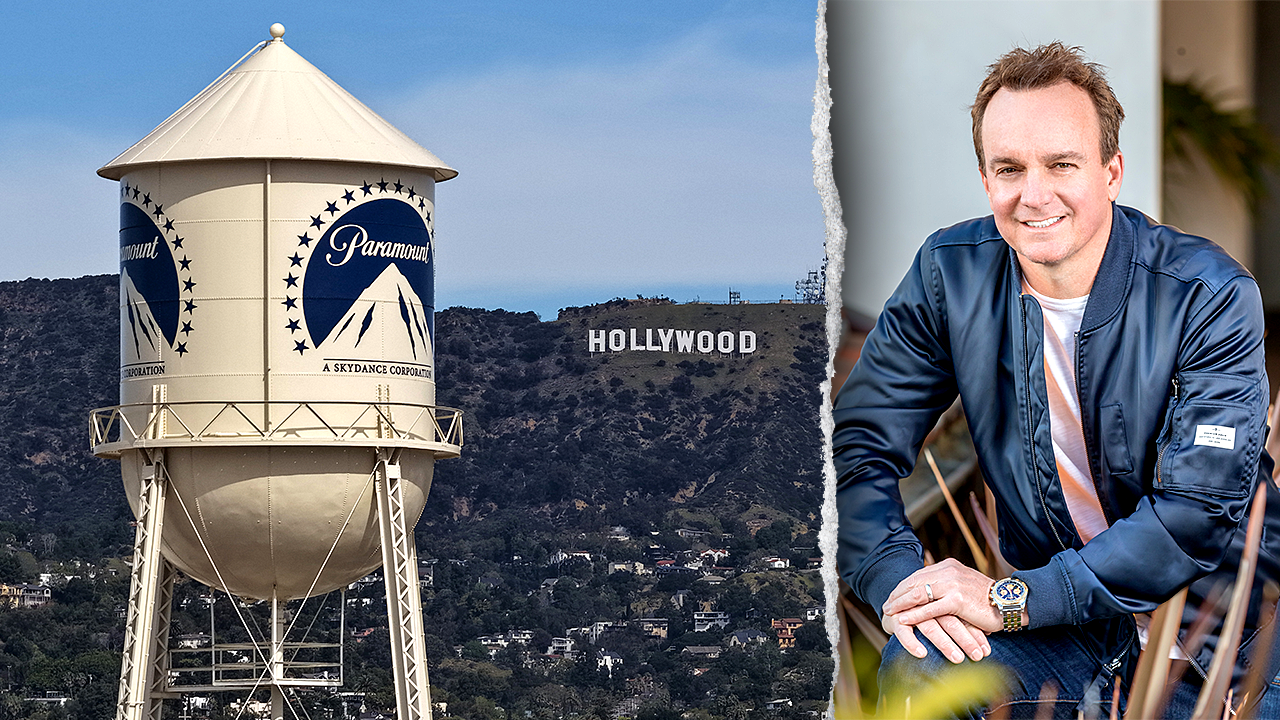
An aerial view of the Paramount logo on the Paramount Studios water tower on February 23, 2026 in Los Angeles, California. (Justin Sullivan/Getty Images)
TRUMP TRIES TO SAVE HOLLYWOOD WITH A 100% TARIFF ON FOREIGN-PRODUCED FILMS, BUT INSIGNIATED SAY THE INDUSTRY IS 'DYING'
Fenton began to realize that this relationship came at a cost. He said American studios were making creative and commercial decisions to satisfy Chinese authorities, who ended up boosting their film industry and spreading their messages around the world.
“We appeased them both by allowing their domestic industry to learn and progress as quickly as possible to become the best of its kind like Hollywood,” he explained. “We censored our content and reprogrammed it to fit the narrative that Beijing directed to gain access to that market.”
One example, he said, was the 2012 science fiction film “Looper,” starring Bruce Willis and Joseph Gordon-Levitt. Fenton said scenes from the story originally set in France were moved to China as the filmmakers sought to appeal to Chinese authorities and audiences.
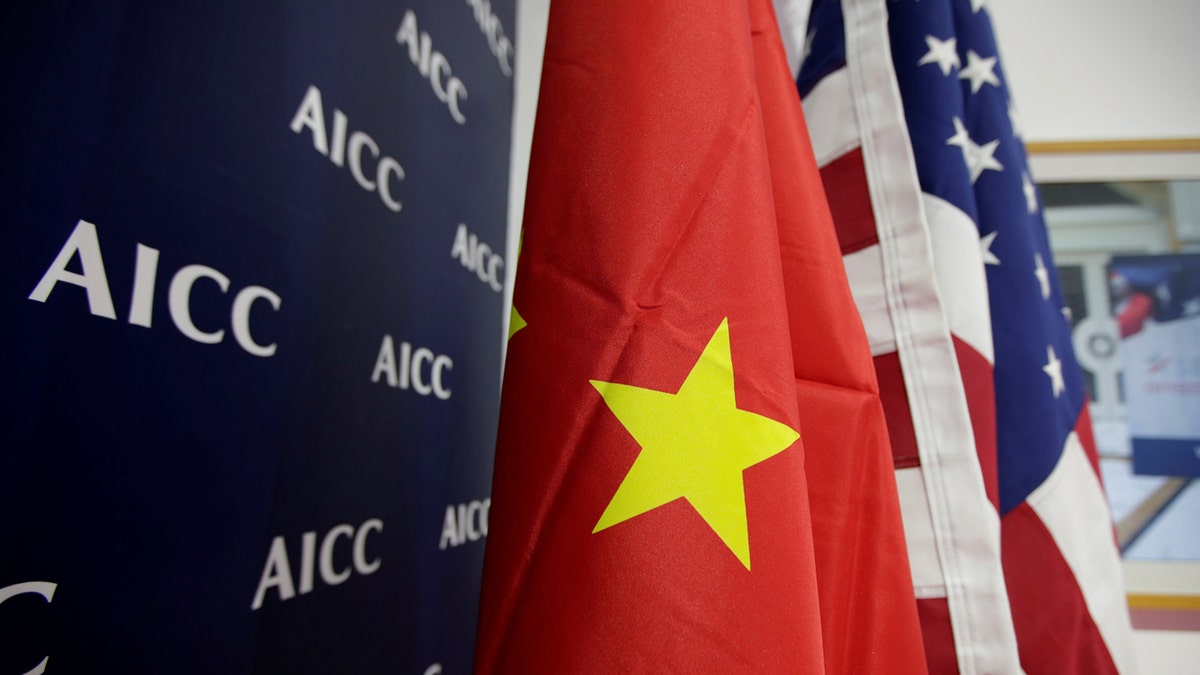
Flags of the US and China are displayed at the US International Chamber of Commerce booth during the China International Trade in Services Fair in Beijing on May 28, 2019. (Jason Lee/Reuters)
LIGHTS, CAMERAS, FEES: WILL TRUMP'S PROPOSAL WORK TO BOOST JOBS IN AMERICAN CINEMA? AMERICANS ARE NOT SAFE
He argued that these compromises ultimately failed to preserve Hollywood's position there.
“That market was made up of between 50% and 80% Hollywood titles. Now it is below 5%,” he said. “So not only have we spread Beijing's message around the world… but we also lost market in the process.”
Around 2019, Fenton began speaking publicly about the long-term consequences of Hollywood's dependence on China. But it wasn't enough to simply sound the alarm about the problem for Fenton; I also wanted to show a way forward.

Veteran film producer Chris Fenton says his new film, “Bad Counselors,” was an all-American production. (Depth Entertainment)
MATTHEW MCCONAUGHEY, DENNIS QUAID, WOODY HARRELSON PUSH TO MAKE TEXAS A NEW HOLLYWOOD
That effort led to his new film, “Bad Counselors,” a comedy produced entirely in the United States, with an all-American cast and crew.
“It's a nostalgic story about summer camp,” Fenton said.
The film, which hits theaters July 23-27 through Fathom Entertainment, follows two fraternity brothers who pose as counselors at a Christian summer camp while completing court-ordered community service.
Fenton said the production employed approximately 1,200 Americans, from actors and writers to crew members and vendors.
CLICK HERE FOR MORE MEDIA AND CULTURE COVERAGE
“We did everything we could to make sure we employed and contracted only Americans,” he said. “It was really harmonious and a fantastic process… we ended up getting a really good movie.”
The producer believes Hollywood should put greater emphasis on domestic production at a time when the industry faces economic pressures, layoffs and foreign incentives to bring in film projects.
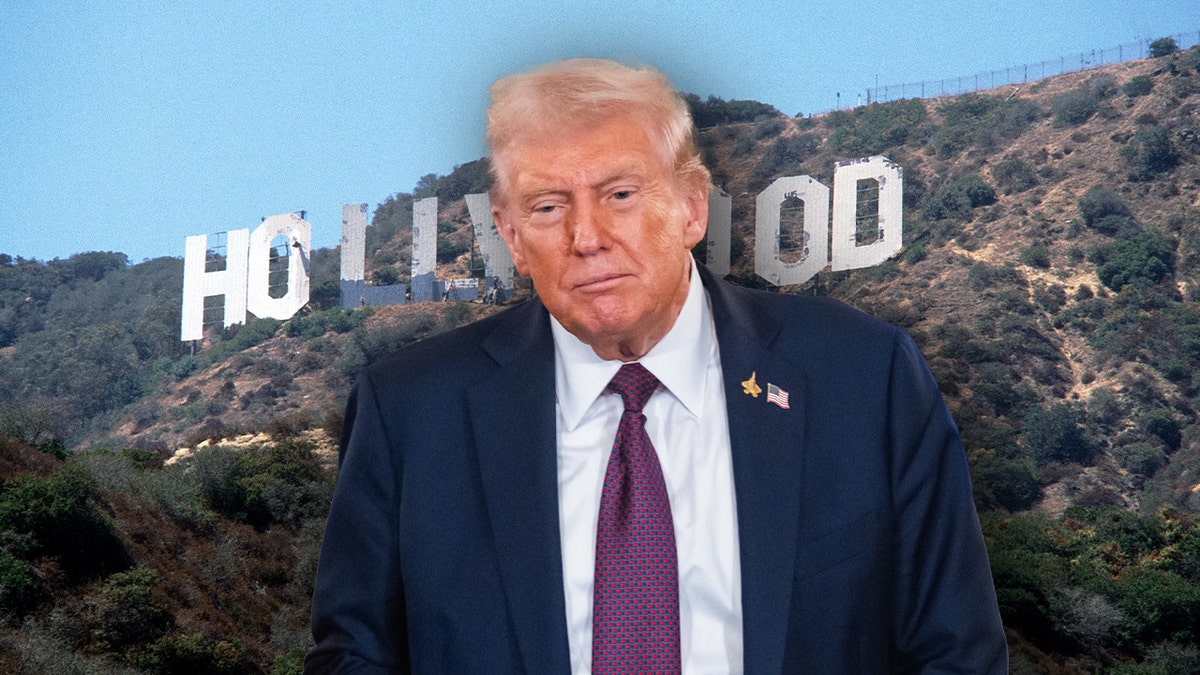
President Donald Trump announced last September a 100% tariff on American films produced abroad. (Getty Images)
CLICK HERE TO DOWNLOAD THE FOX NEWS APP
He advocates for federal incentives to keep film and television jobs here in the United States, arguing that America's existing infrastructure and workforce are already the best in the world.
“All it's doing is allowing us to play on a level playing field with the rest of the nations in the world and once we get there, we'll be able to essentially bring back 2.7 million jobs. Which, by the way, is about a quarter of a trillion dollars in wages, which is pretty incredible,” he said.