Accidents and injuries involving e-bikes are increasing at a rapid rate in California and many of those injured are children 14 years old and younger, according to a new study by UC San Diego researchers.
E-bike riders were involved in at least 4,035 collisions in California between 2018 and 2024. While the number of collisions with traditional bicycles has remained relatively stable over the seven-year period, collisions with e-bikes have increased dramatically.
The study saw no e-bike accidents with injuries in 2018 and 2019, but by 2024, 1,566 were recorded in California.
“E-bike injuries are increasing rapidly in California and are associated with greater injury severity compared to traditional bicycles,” according to the report, published Friday in the journal Trauma Surgery & Acute Care Open.
UC San Diego researchers compiled the numbers by analyzing data from the California Highway Patrol's Integrated State Traffic Records System. The data includes traffic incidents and reports filed by law enforcement agencies across the state.
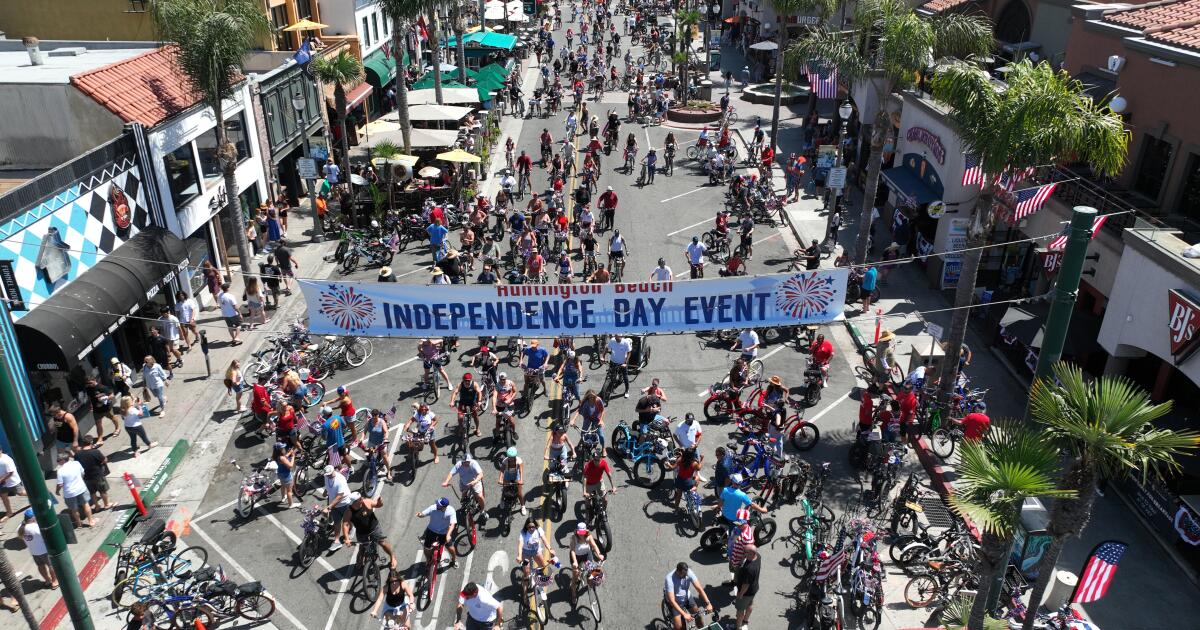
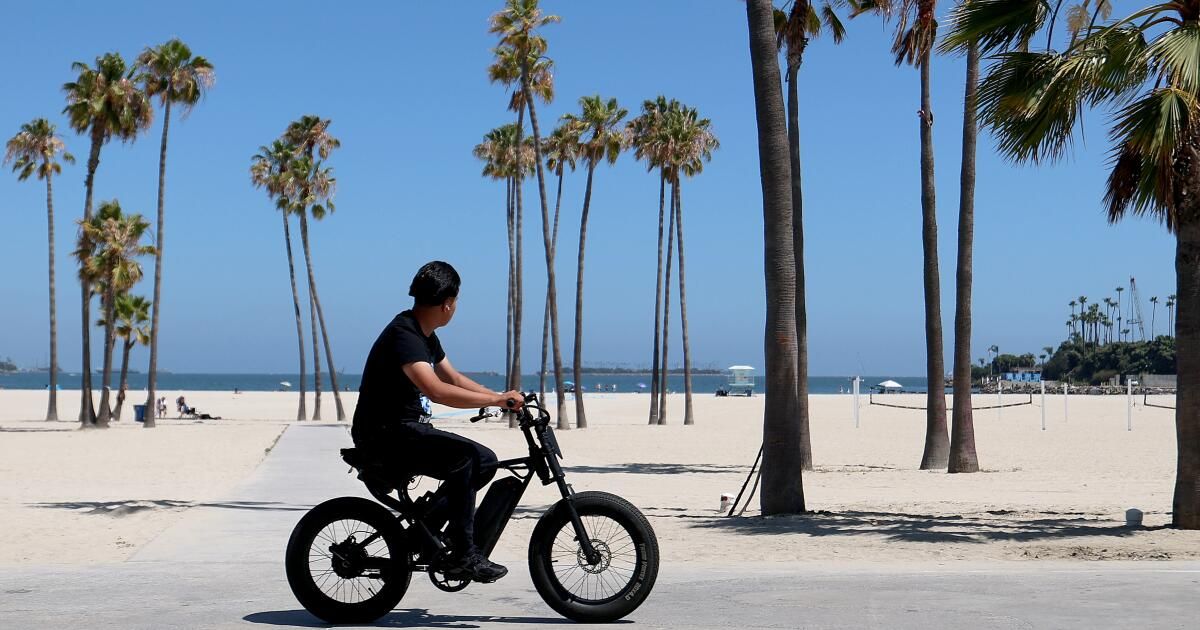
E-bikes have quickly gained popularity and are becoming more common on city streets, parks, trails, and bike paths.
Their proliferation has posed challenges for police, lawmakers and parents.
Electric bikes can go faster than traditional bikes and are often used by children and teenagers who may not have the experience to handle the speed.
Medical officials have previously noted that more e-bike-related injuries arrive in emergency rooms, and the injuries are typically much more serious than those involving traditional bikes.
Law enforcement officials say parents sometimes buy electric motorcycles for their children assuming they are like electric bicycles, but electric motorcycles can reach much higher speeds than regular electric bicycles and require a driver's license.
California Lawyer. Earlier this year, Gen. Rob Bonta asked online retailers to accurately identify electric bicycles and motorcycles, a move that days later led Amazon to halt sales in California of certain electric two-wheeled vehicles that reach speeds higher than those allowed by state laws.
In another finding, the study said injured cyclists tend to be younger than those injured on traditional bicycles. According to the study, the highest number of e-bike injuries in the state occur among riders 14 years old and younger.
The study found that 15.8% of cyclists injured on e-bikes were in that age group of 14 years or younger. Among cyclists injured on traditional bicycles, 10.2% were 14 years old or younger.
The study also found that compared to traditional cyclists, e-bike riders tended to suffer more serious injuries and were more often at fault or responsible for one or more traffic violations at the time of the accident, such as traveling at unsafe speeds or making an incorrect turn.
The rapid popularity of e-bikes has also made it difficult for law enforcement agencies, regulatory groups and medical officials to quantify what injuries e-bikes cause.
Law enforcement agencies contacted by The Times said some local agencies have not collected specific data on e-bike accidents or citations because the problem is so new in many areas and the numbers are often difficult to analyze since e-bike injuries are often mixed in with traditional bike injuries.
“Categorizing these emerging modes of transportation has historically presented tracking challenges,” a spokesperson for the National Highway Traffic Safety Administration told The Times in May.
This year, the increase in injuries and accidents involving electric bicycles led law enforcement agencies to launch public information campaigns and law enforcement efforts targeting electric bicycles and motorcycles.
In California, electric bikes are divided into three categories, separated by speed and capabilities. All of them must have pedals to be classified as an electric bicycle. Class 1 bikes can reach speeds of up to 20 mph and can be ridden by anyone. Class 2 bikes can also be ridden by people of any age, but are equipped with a throttle and reach a top speed of 20 mph. Class 3 bikes can reach a top speed of 28 mph and riders must be at least 16 years old and wear a helmet.
Bikes without pedal assist or those that can reach speeds greater than 28 mph are considered electric motorcycles and require a driver's license and DMV registration.
A series of high-profile accidents and deaths involving e-bikes have led police and prosecutors to make arrests, confiscate bikes, and file charges against riders and their parents.
In Orange County, prosecutors filed charges against the mother of a 14-year-old boy who was riding an electric motorcycle and allegedly crashed into an 81-year-old man, killing him. In Yorba Linda, the father of a 12-year-old boy was charged after the boy was injured while riding a modified electric motorcycle.