NEWNow you can listen to Fox News articles!
FIRST ON FOX: Americans are almost evenly divided between favoring Iranian regime change and a negotiated deal between the United States and Iran, according to a new poll.
About 39% of respondents favor a negotiated deal in which Iran's current government remains in place, with verifiable limits on its nuclear and missile programs, according to the findings of the Reagan Institute Summer Poll, while 36% favor replacing Iran's current government with one more favorable to the United States.
Another 16% favor a weakened regime in which the current government remains in power but is significantly diminished militarily and economically, and 8% responded that they do not know.
The findings underscore the political challenge facing President Donald Trump as his administration pursues a newly signed memorandum of understanding with Iran. While the deal seeks to curb Iran's nuclear ambitions through negotiations, Americans remain divided over the ultimate goal of U.S. policy toward the Islamic Republic.
Americans are almost evenly divided between favoring Iranian regime change and a negotiated deal between the United States and Iran, according to a new poll. (Mandel NGAN/AFP via Getty Images)
AMERICANS AGREE WITH TRUMP THAT IRAN REPRESENTS A THREAT TO THE UNITED STATES: POLL
Republicans who responded to the poll favored replacing Iran's government by a 2-to-1 margin rather than a diplomatic deal.
Republicans were much more likely than Democrats to favor a more aggressive outcome on Iran. Half of Republican respondents said they would prefer to see Iran's current government replaced by one more favorable to the United States, compared with 25% who said they would favor a negotiated deal that leaves the regime in place in exchange for verifiable limits on its nuclear and missile programs.
The findings were nearly identical among self-identified MAGA Republicans, 51% of whom favored regime change while 25% supported a negotiated settlement.
Sharp partisan divide emerges over attack on Iran and Trump's strategy: Polls
Democrats, meanwhile, largely favored diplomacy. A majority, 52%, said they would prefer a negotiated deal with Iran's current government, while 25% favored regime change. Another 14% were in favor of leaving the current, but significantly weakened militarily and economically, regime.
The Reagan Institute Summer Poll was conducted May 26 to June 3 among 1,555 respondents nationwide and has a margin of error of plus or minus 2.5 percentage points. The survey used a mixed methodology that included live telephone interviews, an online panel, and text-to-web responses.

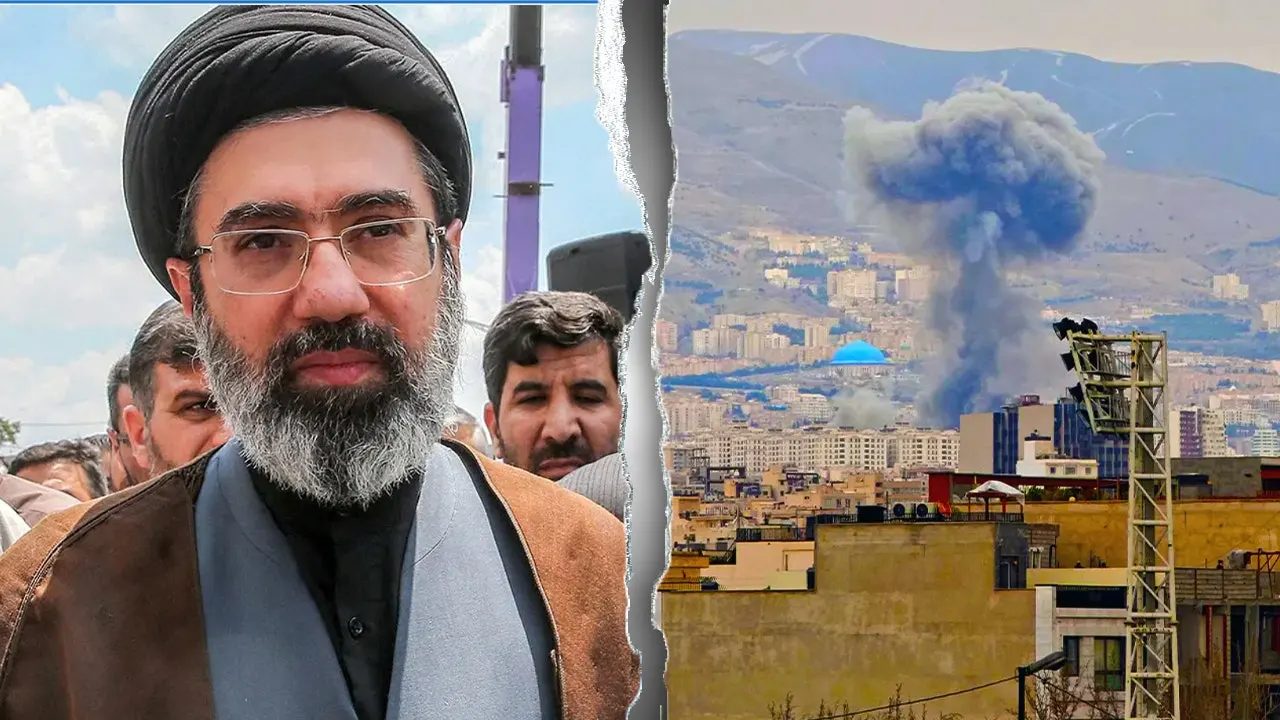
Smoke rises over Tehran following an explosion amid US and Israeli military strikes against Iranian targets on March 2, 2026. (Majid Saeedi/Getty Images)
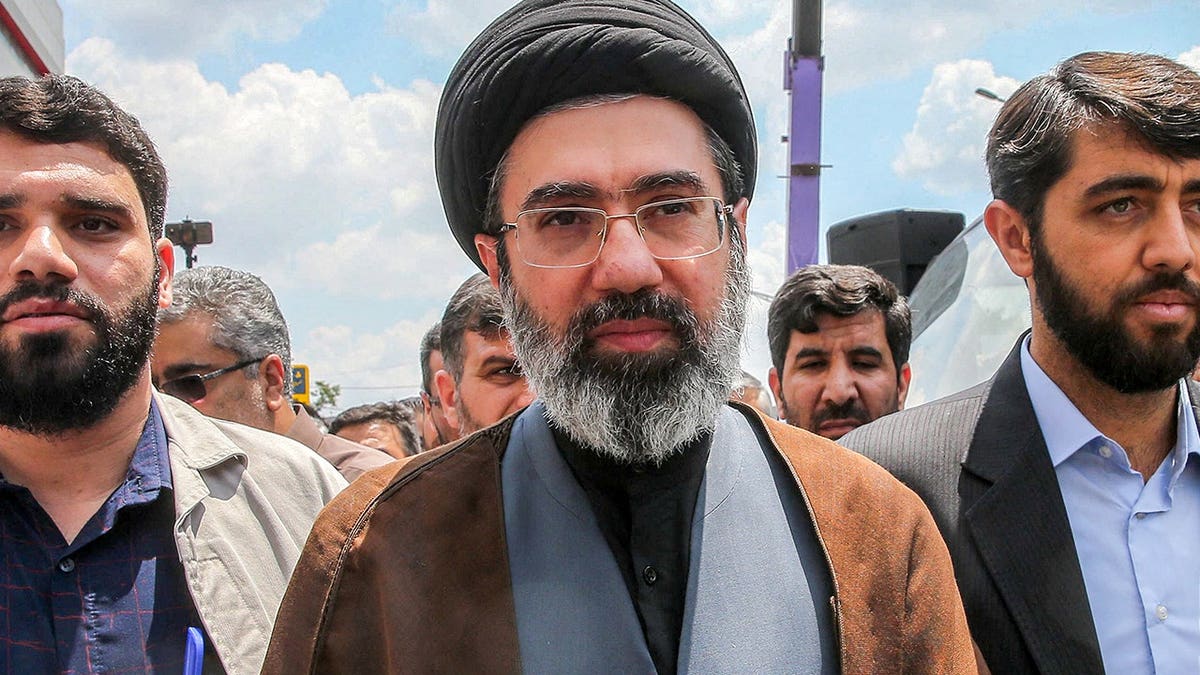
The findings underscore the political challenge facing President Donald Trump as his administration pursues a newly signed memorandum of understanding with Iran. (Hamid FOROUTAN/ISNA/AFP via Getty Images)

Republicans were much more likely than Democrats to favor a more aggressive outcome on Iran. (Pool via WANA/Reuters)
To better reflect the U.S. population, results were weighted using demographic benchmarks from the U.S. Census Bureau's 2023 American Community Survey, including age, gender, race, region, and education levels. The poll also included an oversample of 331 MAGA Republicans under age 30, a group with a margin of error of plus or minus 5 percentage points.
The Reagan Institute is a Washington-based political organization that champions the Reagan foreign policy tradition of “peace through strength” and sustained American leadership abroad.
The findings come as Trump defends a newly signed memorandum of understanding with Iran as a way to reduce tensions and create a path toward a broader deal addressing Tehran's nuclear program.
The memo establishes a 60-day negotiation period during which the United States and Iran will try to reach a more comprehensive agreement. The agreement also includes provisions aimed at restoring commercial shipping through the Strait of Hormuz and provides limited exemptions from sanctions linked to the continuation of negotiations. Later talks are expected to address several of the most contentious issues, including the long-term future of Iran's nuclear program.
Trump has described the deal as a way to avoid a broader conflict as he seeks what he called a “grand bargain” with Tehran. He has also argued that the deal could help stabilize energy markets by reopening the Strait of Hormuz, a critical global shipping route, while creating an opportunity to negotiate additional restrictions on Iran's nuclear activities.
CLICK HERE TO DOWNLOAD THE FOX NEWS APP
The president added that he accepted an agreement to avoid an “economic catastrophe.”
“I didn't want to see an economic catastrophe. If this had continued, that could have happened,” he told reporters at the G7 Summit in France.