- UN Secretary-General calls for global ban on autonomous 'killer robots'
- Guterres argues that delegating life and death decisions to machines is “morally repugnant”
- Governments should take a stand now, not wait for something catastrophic to happen.
UN Secretary-General António Guterres has called for lethal autonomous weapons, which he describes as “killer robots”, to be banned under international law following recent discussions at the first-ever Global Dialogue on the Governance of Artificial Intelligence in Geneva.
Guterres' demand to ban these weapons focuses on those capable of identifying, selecting and attacking targets without human supervision, leaving artificial intelligence and other computer systems in charge of a life or death decision.
Ultimately, he argued that certain decisions must remain exclusively human, and that the decision to take a life falls within the boundary of requiring human supervision. Transferring decision-making to killer robots would be “morally repugnant” and “politically unacceptable,” he argued.

AI requires global regulation as military AI poses major threats
The key to the Secretary-General's argument is that he urges governments to take action and ban such robots now, rather than waiting for an autonomous weapon to cause a major incident before rethinking their strategies.
“Let's not wait for an atrocity to happen,” Guterres said. “Some decisions must remain human forever, none more so than taking a human life.”
The issue is becoming more urgent now that AI models and advanced chips are already being used in military intelligence, targeting and other battlefield systems.
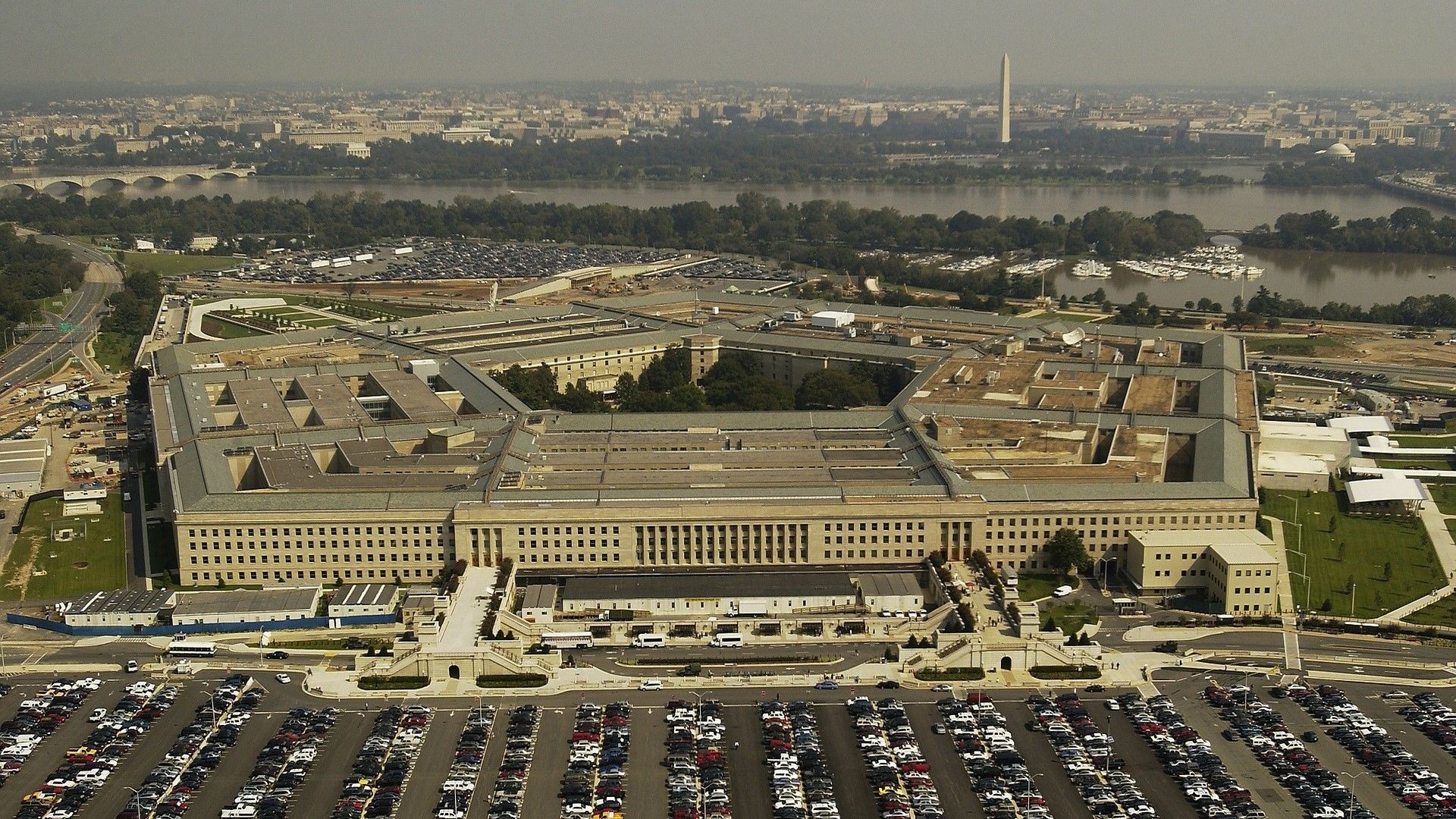
More broadly, Guterres' thoughts align with those of Anthropic, which recently had a dispute with the Pentagon after seeking assurances that its models would not be used for autonomous weapons or surveillance.
While the Pentagon had rejected those limitations, arguing that it should be able to use Anthropic's models for any legal purpose, the case highlights how private companies are increasingly intertwined with digital warfare.
Reports by the Wall Street Journal cited a similar opinion from Pope Leo XIV, who warns that AI-controlled weapons could promote an “anti-human” view of war. He warned that autonomy could reduce some dangers and distance political leaders from the human consequences of the conflict.
It is necessary to balance the pros and cons of AI
However, artificial intelligence promises several benefits for modern warfare, particularly in its ability to process enormous amounts of information extremely quickly. With modern computing, the military can respond to threats at lightning speed, improve its accuracy and precision, reduce risk to soldiers, and potentially also reduce civilian casualties.
Critics also question whether human oversight of AI systems makes any sense if the person in charge only has a few seconds to act on the information generated by the AI in the first place.
It is also yet to be determined which party or group of parties should be held responsible for any incident or mishap: human operators, commanders, hardware manufacturers and software developers are just some of the parties subject to trial.
“We may be the last generation capable of setting the terms on which humanity and machines coexist,” Guterres warned separately in an X post, warning that AI must be governed, trusted and fair.
“It sounds like science fiction, but it's a real possibility, and it could change the world in ways we don't yet understand, and it could change the power dynamics of our planet in ways that require our attention,” added co-chair of the Independent International Scientific Panel on AI, Yoshua Bengio.

Follow TechRadar on Google News and add us as a preferred source to receive news, reviews and opinions from our experts in your feeds.