- Small bubbles could significantly reduce cooling demands within AI facilities
- Researchers adapted nuclear reactor science to modern computing infrastructure
- Ferveret claims to gain 15% efficiency over existing liquid cooling
Artificial intelligence is driving a rapid expansion of computing infrastructure, raising new concerns about electricity consumption and long-term sustainability.
Industry estimates suggest that data centers could account for between 9% and 17% of total electricity use in the United States by the end of this decade.
About a third of that energy currently goes to cooling processors that run artificial intelligence tools and other demanding workloads.

Nuclear reactor principles find new role in data center cooling
Now, startup Ferveret believes that a technology adapted from nuclear reactor research could significantly reduce the energy needed to cool modern computer systems.
Founded by former MIT postdoctoral researcher Reza Azizian and MIT professor Matteo Bucci, the company developed a cooling approach called Adaptive Phase Cooling, or APC.
Instead of relying on traditional fans, the system immerses servers inside a specialized liquid that removes heat more effectively than air.
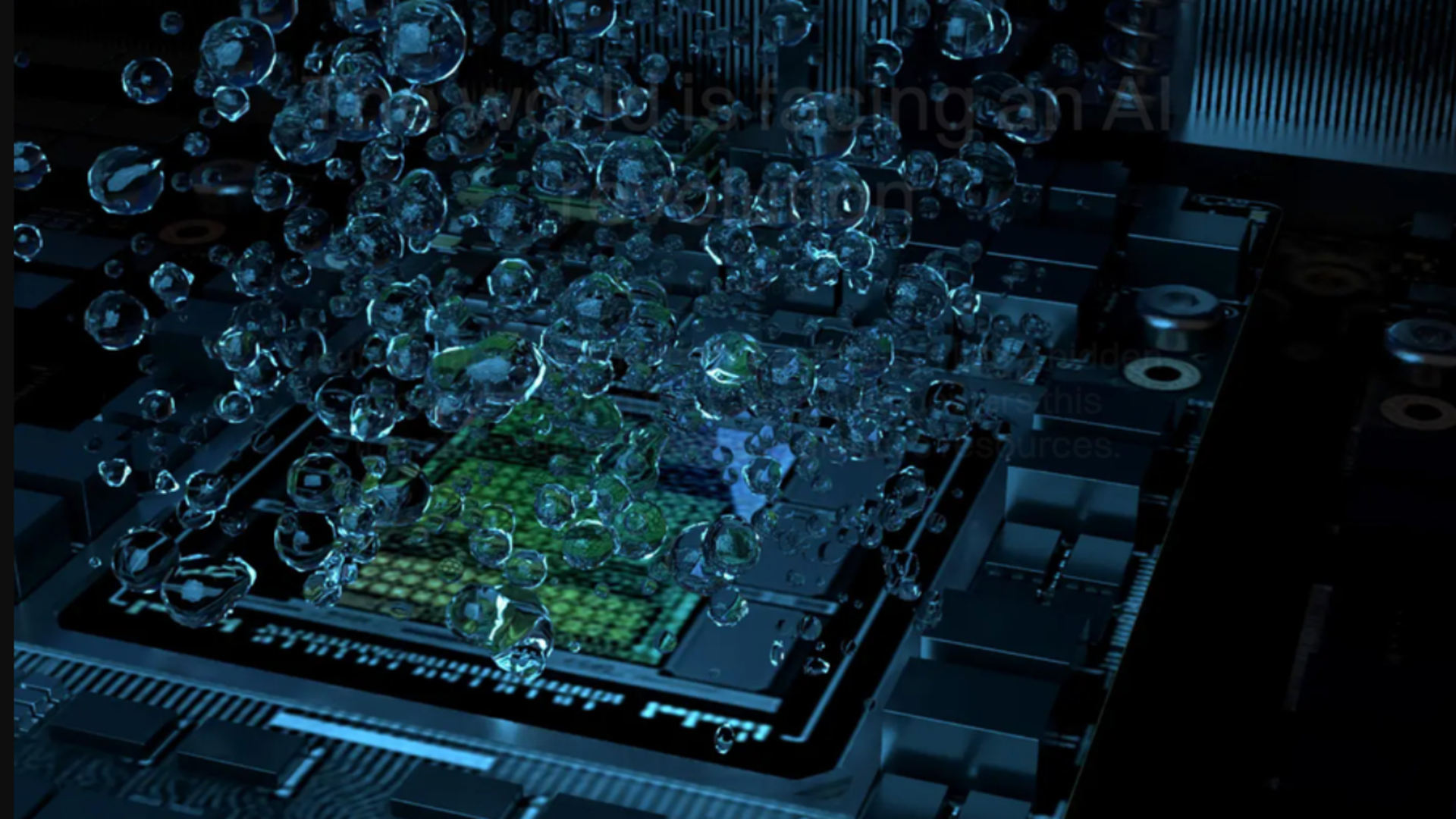
The distinctive feature is the formation of very small bubbles on the surface of the chips during operation.
According to the founders, those bubbles separate more frequently and recondense quickly within the surrounding liquid, accelerating heat removal.
Ferveret adapted the concept from a nuclear engineering process known as subcooled boiling, which has been widely studied to improve the efficiency of heat transfer within reactors.
Air cooling is associated with noise, volume and inefficiency – three things Azizian decided he wanted no part of when he walked into his first data center in 2017.
“I thought, 'Shit, that's not how you cool facilities,'” he recalled, noting that air cooling alone can consume up to 40% of a data center's total power supply.
“It wasn't an efficient way of doing things, but since it didn't hurt performance, no one cared that the refrigeration technology was 50 years old.”
The company says its liquid does not contain PFAS chemicals, often associated with certain advanced cooling technologies.
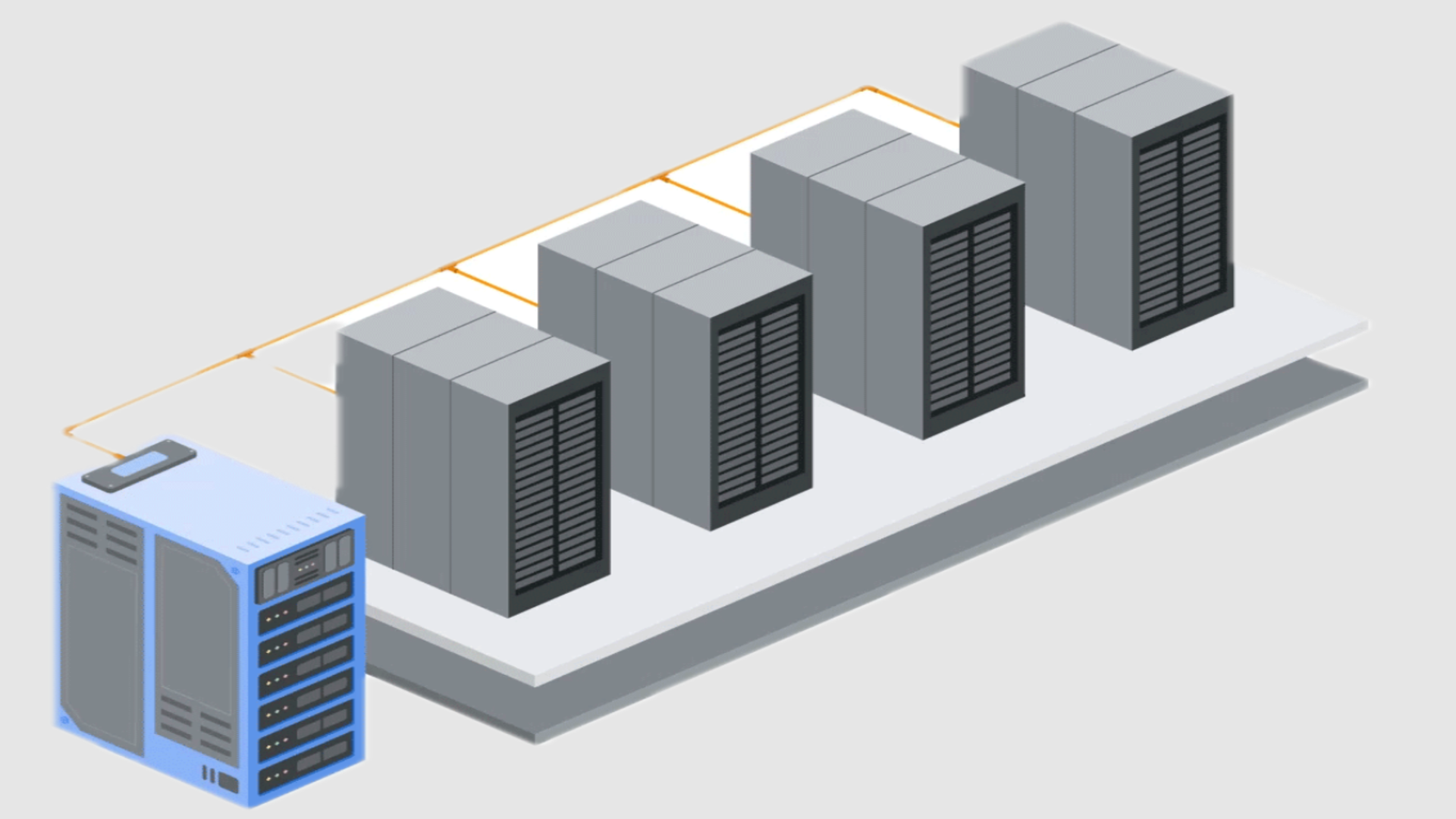
Ferveret also offers its APC platform through compact modular units, in which each cabinet is designed to house a single server.
According to Azizian, “physics allows us to form factors that were not possible in the past.”
Efficiency gains could ease pressure on growing AI infrastructure
Ferveret recently collaborated with researchers at the University of California, Los Angeles to evaluate the performance of their technology.
According to the company, APC's approach produced a 15% improvement in computational power efficiency compared to leading liquid cooling alternatives.
Ferveret further claims that combining APC with its control software allows operators to generate 35% more tokens from AI workloads using the same power supply.
The company also supplies racks, cooling distribution equipment, sensors and monitoring software that continually adjust operating conditions.
Bucci explained that the software analyzes temperature and pressure measurements in real time to reduce unnecessary energy consumption.
“Liquid is a better heat transfer medium than air. That's why when you put your hand in room temperature water, it still feels cold,” explains Bucci.
“When the liquid boils, it removes heat even better because the phase change requires a lot of energy, which is the energy that is removed from the chip…”
The founders argue that lower energy demand and zero water consumption could make the new installations practical in regions where electricity and cooling resources remain limited.
That possibility could prove significant for parts of Africa, the Middle East and the United States, where solar energy is abundant while water availability remains limited.
Ferveret is currently testing its technology with organizations like CleanSpark, FuriosaAI, and Switch, while also participating in Nvidia's Inception startup program.

Follow TechRadar on Google News and add us as a preferred source to receive news, reviews and opinions from our experts in your feeds.