- Mac mini has become an affordable system for agent workloads
- Apple has seen “incredible demand” for Mac mini and Mac Studio
- Apple Silicon can handle an AI agent while other architectures use a GPU and CPU
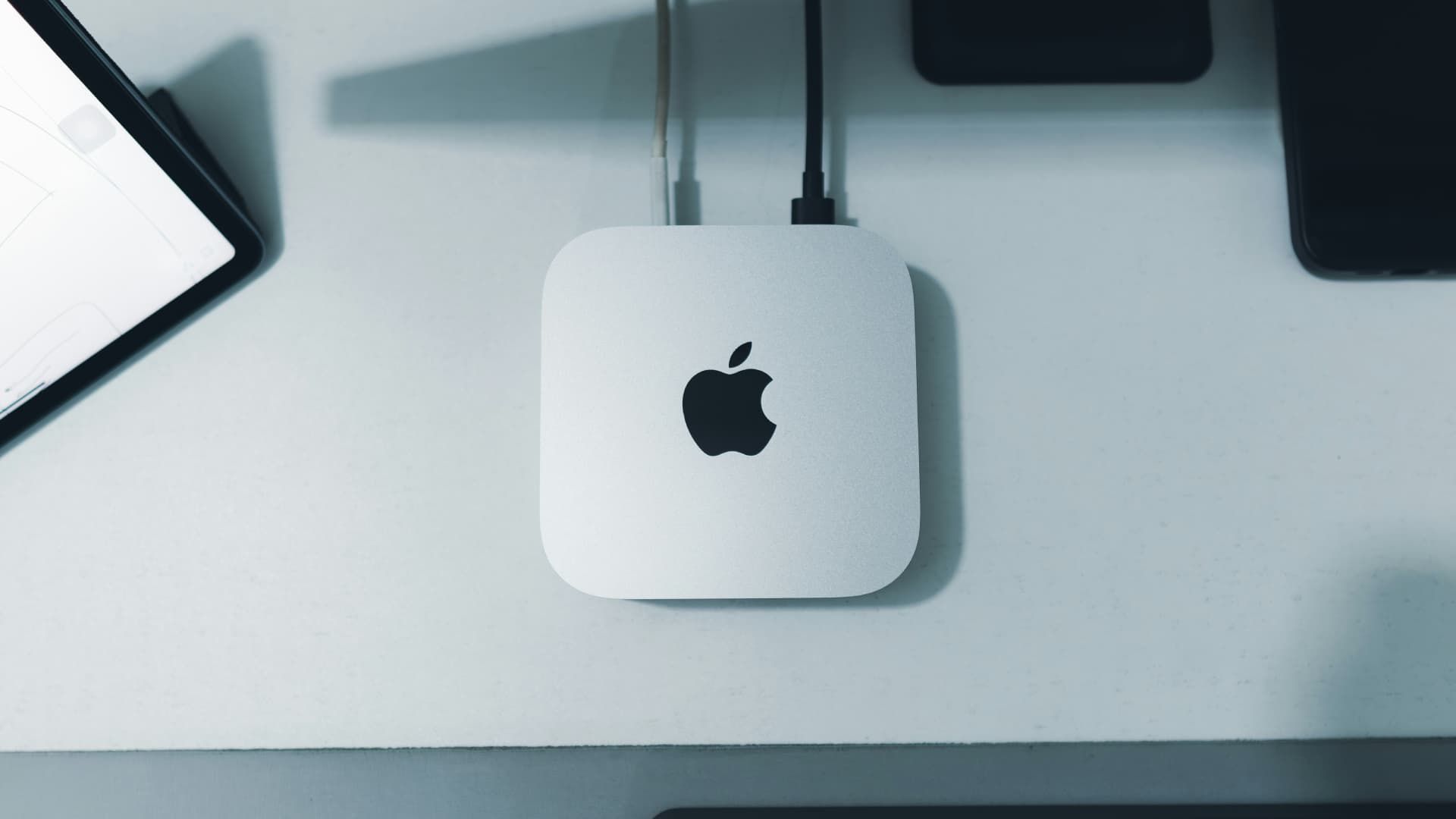
If you're looking for the best way to explore and deploy agent AI while staying on budget, the Mac mini could be just what you're looking for.
Apple's Doug Brooks has expressed excitement about how the Mac mini and Mac Studio desktop computers are capable of handling artificial intelligence tasks, thanks to Apple Silicon, the ARM-based SoC that the company has introduced over the past half decade.
The success of local AI on these machines has been attributed to design decisions made before the advent of advanced LLMs, highlighting the evolution of Apple's Neural Engine as a key factor.

Why the Mac mini is ideal for agent AI

Brooks is the senior product manager at Apple Silicon and referred to the “incredible demand” for Mac minis and Mac Studios when speaking with The deep vision before WWDC 2026.
Describing the Mac mini as an “amazing system” that can “leverage the strengths of Apple silicon and unified memory in a very power-efficient way, and increasingly deliver a compelling price-performance ratio.”
The price of a Mac mini, compared to the more expensive Mac Studio, makes it particularly suitable for teams exploring agent AI but without the budget to pay for larger tokens and systems.
Neural Engine technology dates back to the A11 chip, and its evolution and inclusion within the current generation of Apple chips, and its high-performance, energy-efficient computing processes are critical to bringing machine learning to the desktop.
As many AI tools were first available on the Mac (or released exclusively for macOS), it seems that upgrading to the latest Mac mini or switching from Windows has been instrumental in the demand.
Mac mini: amazing for AI
Apple's work in AI has been implemented in everyday use on computers, tablets and smartphones, and the company has been a leading exponent of hybrid AI, where an agent can “decide what should happen locally and what should happen in the cloud based on the workload.”
“For agent workloads, people often want a system that is under their control, isolated from their main machine, and capable of running 24/7.”
But it's the strength of the Apple Mac mini and Apple Studio – as well as Apple laptops – in handling AI that seems to have Brooks most excited. He cites security and economics as concerns for developers and creators who are now realizing they can handle AI workloads sitting at their desk, whether using a Mac mini or something more powerful.

Follow TechRadar on Google News and add us as a preferred source to receive news, reviews and opinions from our experts in your feeds.