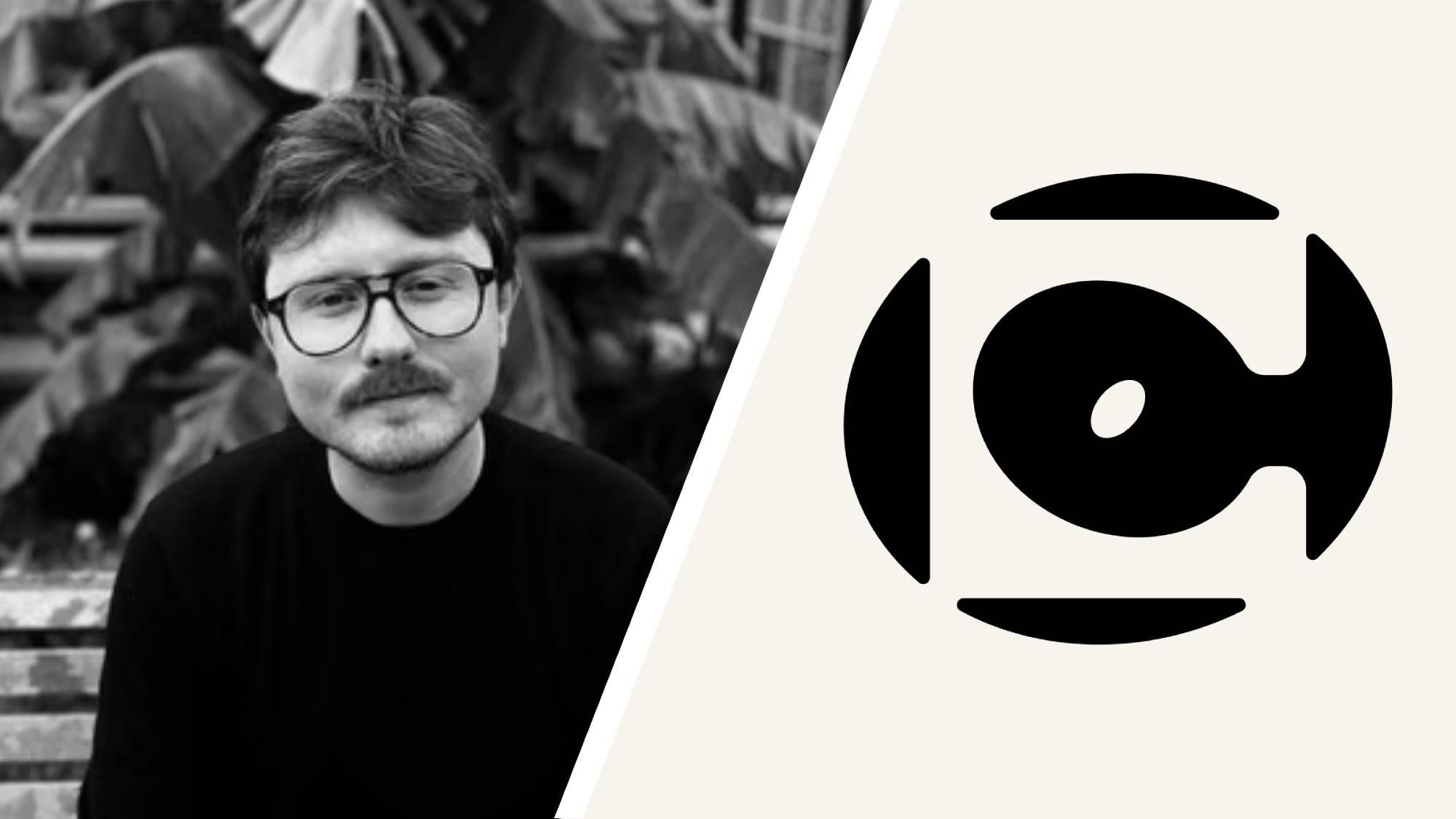
When it comes to intentional listening, the algorithmic underpinnings of music platforms can sometimes reduce the joy that comes with listening to entire works. Enter Cantilever, the audio service that puts album listening first.
Although a relatively new addition to the music streamer stable, Cantilever wants to make a difference with its approach. For £4.99 / $5.99 / €5.99 a month, the platform lists 10 albums, each with a 30-day expiration date to encourage full listening, filling out the space with detailed accounts of each record from music journalists, plus a user-focused payment system for artists.
It's been a passion project for founder Aaron Skates since he began developing the idea in 2022, and he himself has worked a fair number of jobs in the music industry since the mid-2010s. During our in-depth discussion about the music startup, Skates goes into detail about why he wanted to create the 'Mubi for music' and why there are good and bad sides to algorithmic music discovery.

From music composer to CEO

Cantilever is in its own lane compared to music streaming bosses Spotify and Apple Music. It is designed to combine audio with music journalism while incorporating a structure similar to Substack, which grew out of Skates' own experiences working in the industry.
“I had been working in independent music on independent record labels since 2019, and I had also been writing since I was 17 and going to gigs doing college-related music journalism,” he tells me, adding “when Substack as a platform started gaining traction, I realized it's not really a secret that a lot of music websites didn't pay the journalists who wrote for them.”
From there, Skates had a light moment. “Maybe it was 2022 when I started formulating some of these ideas of 'where is a good online space for music journalism and how can I participate in it?'” he says. “It was also at the same time that we were seeing a lot of things about the pay not being as good as it could be in streaming, and mid-level artists were missing out.”
Cantilever's mission is therefore multifaceted. On the one hand, it's dedicated to highlighting independent artists and giving flowers to music journalists by including full written accounts of albums to provide context to the music, just like Substack. But what sets Cantilever apart from other music streamers is its focus on intentional listening.
Albums aren't going anywhere

Instead of offering an extensive catalog of music, Cantilever works as a rotation of albums, highlighting 10 at a time, which remain in the app for 30 days. It works wonders to eliminate fatal browsing, something everyone is guilty of when browsing the best streaming services, but there's more to Skates.
“There's an argument that the album is an anachronistic format, which is why it's so long. It's 45 minutes because there was so much music that you could get two on two sides of a 12-inch record,” he says. “The album as an art form was invented because of a piece of technology and its limitations, and then we just continued with that. When cassettes and CDs came out, we kept the album format, almost as if we were going back in time.”
But things are different in the digital age. Now that individual songs from albums are easier to access, there has been a shift in the way consumers approach album listening. However, despite the algorithm, Skates is confident that the album as a body of work is timeless.
“The thing is, it's still a format that people continue to gravitate toward even during this culture of playlists and algorithmic streaming. When big stars release their music, they release albums, and there's hype and buzz around the album almost like an event,” he explains. “So it's not about saying 'good album, bad track' but saying well, here's a space where we can celebrate this format and have that lasting experience.”
“It's a really bright and exciting time for music. There are a lot of amazing things happening across all genres,” he concludes.
The ups and downs of the algorithm

Cantilever is very simple in its interface, so you won't expect to see a host of tools like playlists or an algorithm that constantly spits out music recommendations. In any case, Skates seeks to avoid this.
“Contrary to my previous point, I also think there is a potentially negative downside to having algorithmic personalization across the board. It creates this personalized experience, but not necessarily one that fosters social connection,” he believes.
“At the same time, one of the things that algorithmically generated playlists have about album listening is that they can encourage this unintentional listening,” Skates adds, and as someone whose relationship with music has been rooted in album listening, I completely agree. For Skates, it also makes him question the value he imposes.
“There's this idea of 'I'll put something in the background and leave it there,' and I personally don't think there's anything wrong with that, it suits a particular time and place, but then there's another question about the value attached to it: Is something you're paying attention to worth more money than something you're not really paying attention to? Is the music you listen to when you're asleep as valuable as the music you listen to when you're asleep?” Are you awake? And the platforms we currently have have no real way to make that distinction,” he says.
This is just the beginning

Although Skates is very focused on keeping the Cantilever in-app experience simple, that doesn't mean it doesn't have plans to develop it further and enrich the platform with more features.
“It's actually more media features than the features we normally associate with digital service providers or streaming platforms. One thing is offline downloading. So I really want to have that so you can listen to music on your commute. Another thing is that we're going to increase the number of albums that are there. Right now it's only 10, and that's a capacity thing, and then for the app experience, I want the media to be very similar to Substack,” he tells me.
When I look at the major music platforms out there, Apple Music is one that is winning on the publishing side. Its extensive collection of radio stations and exclusive interviews with artists further bridges the gap between fans and artists, and provides rich context and background behind an artist's music and their creative process. This is another thing Skates wants to take advantage of.
“[Cantilever] It will have video journalism, interviews even with the artists and potentially live sessions that we film with the artists. Those types of ways of telling an artist's story that were previously the province of the media and are incorporated into the application,” he reveals.
In addition to listening to audio for in-app items and diversifying the genres of their albums, one of Skates' ultimate goals is to go beyond mobile devices. “The final feature is to have a web player version, so it's not just a mobile app but also a desktop version that can be more familiar with how news magazines and websites work,” he says. But before he leaves, Skates reveals that he always keeps an open mind about the possibilities that could arise for Cantilever.
“We have all the music we could want at a very affordable price, so it seems like the more we learn about the audience that wants to use this, the more informed I will be to answer the question of what those people want, what they need, and how we can best serve that community.”

Follow TechRadar on Google News and add us as a preferred source to receive news, reviews and opinions from our experts in your feeds.