NEWNow you can listen to Fox News articles!
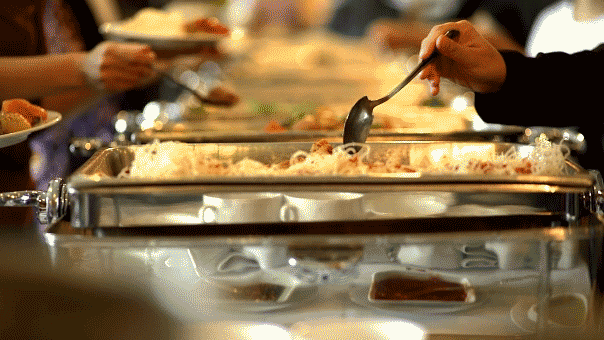
As Americans tighten their budgets and experience menu price fatigue, some are turning to a familiar and affordable option: buffets.
Last year, Yelp released its 2026 Trend Forecast and found that searches for “all-you-can-eat buffet near me” increased 252%.
The data was collected between September 2024 and August 2025, compared to the previous year, and it's not just traditional buffets that are gaining popularity.
THE RISE OF OZEMPIC CRASHES WITH AMERICAN EATING HABITS AS RESTAURANTS REDUCE PORTIONS
Asian cuisine drives “a lot of this [buffet] renaissance,” according to Yelp.
“Searches for 'Indian food buffet near me' have increased dramatically (up 459%), along with classic dishes like chicken biryani (up 49%),” the report says.
Americans facing higher menu prices are increasingly turning to buffet meals as inflation reshapes the way families look for affordable meals. (iStock)
But do buffets really save people money?
And what do they do to our waistline?
Why buffets make financial sense
Interest in buffets is directly linked to inflation, “training America to look for value again,” said Ted Jenkin, managing partner at wealth management firm Exit Wealth Advisors in Georgia.
STOP CARB OVERLOAD: EXPERTS EXPOSE HIDDEN REASONS IN BIG MEALS, HOW PROTEINS FLIP THE SWITCH
“When eggs cost five dollars and hamburgers cost $20, unlimited food for a fixed price starts to seem like financial genius,” he added.
Buffet restaurants offer “tremendous” value, Jenkin said, especially for families struggling to make ends meet.
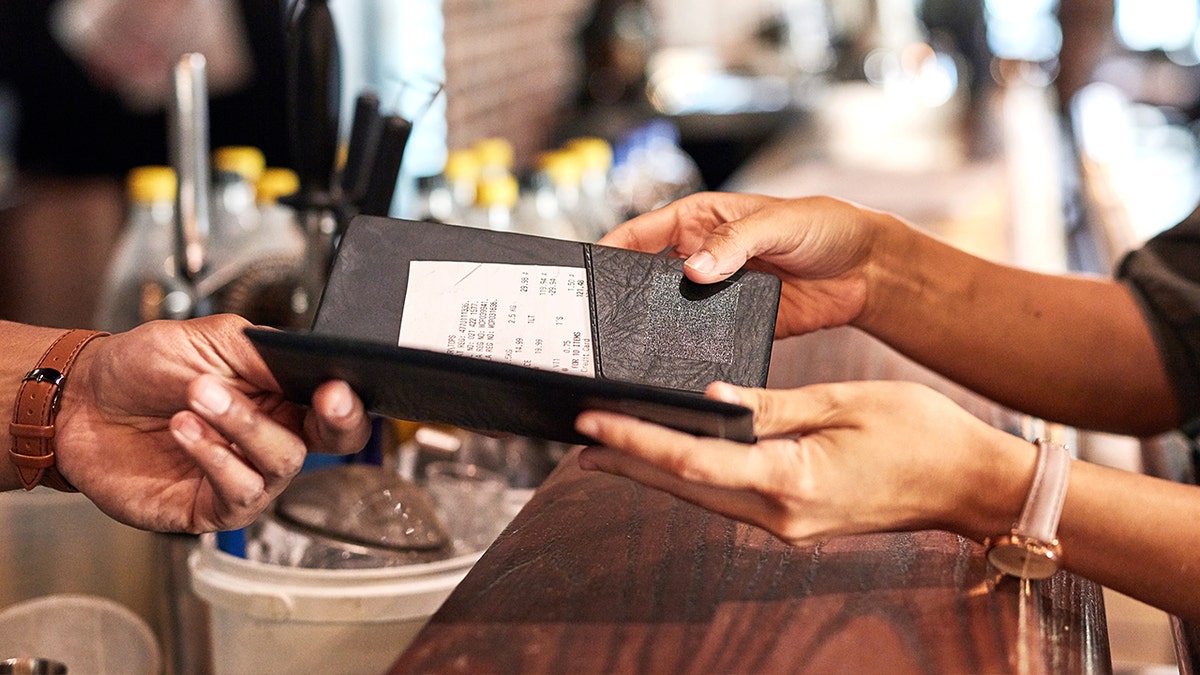
Buffets provide “tremendous” value to customers, one financial advisor told Fox News Digital. (iStock)
“When restaurants quietly reduce portion sizes but raise prices, consumers notice. At a buffet, no one counts the fries and fried chicken, and that's exactly the appeal.”
TRY OUR LATEST LIFESTYLE QUIZ
How to eat wisely at a buffet
A good rule of thumb for a buffet dinner is to fill half your plate with vegetables, said Whitney Stuart, dietician and owner of Whitness Nutrition.
The Texas-based expert recommended that a quarter of your plate be protein, while the other quarter could be whatever keeps you satisfied.
“Being selective instead of trying everything can help reduce mindless overeating.”
“Research consistently shows that starting with lean protein and high-fiber foods, such as vegetables, increases levels of satiety hormones like GLP-1 and PYY,” Stuart said.
CLICK HERE TO SUBSCRIBE TO OUR LIFESTYLE NEWSLETTER
“This helps people naturally consume fewer calories, [and] “This strategy can avoid repeated trips to the buffet, which often leads to increased consumption without greater satisfaction.”
Other key rules are to reduce liquid calorie intake (focus on water) and eat slowly to allow the gut-brain connection to register a satiety signal, Stuart said.
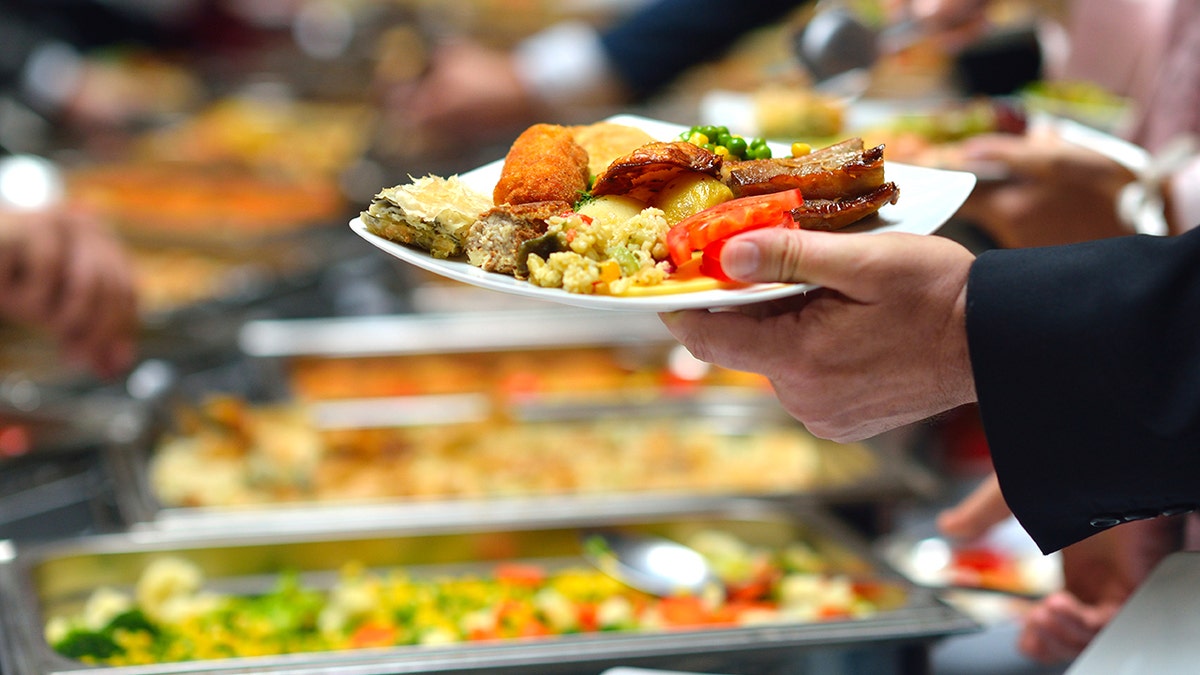
According to experts, starting meals with foods rich in protein and fiber can help diners control appetite and calorie intake at buffets. (iStock)
“Being selective rather than trying everything can help reduce mindless overeating,” he added.
“Remember, dessert doesn't have to be automatic.”
CLICK HERE FOR MORE LIFESTYLE STORIES
Buffets do not cause weight gain; eating without thinking yes, Stuart emphasized.
“A protein- and fiber-first approach allows people to enjoy buffets while supporting blood sugar, digestion and overall health,” he concluded.
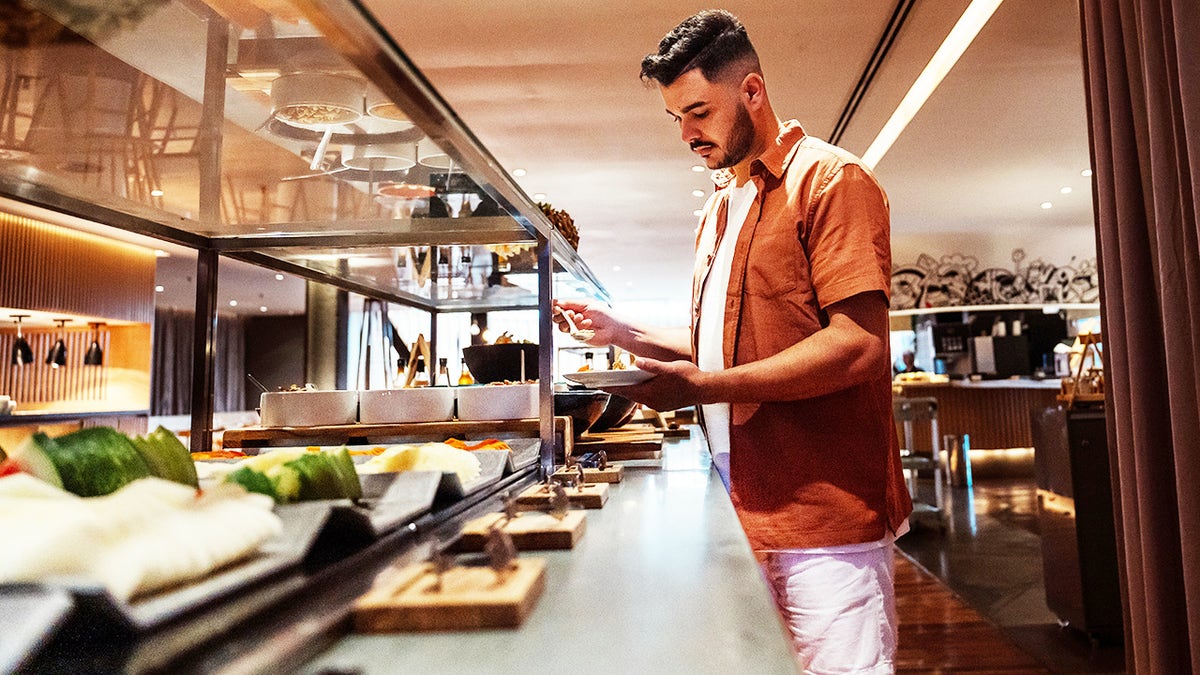
Buffet-style restaurants that offer customization allow diners to have more control over ingredients and portion balance. (iStock)
Consumers should also be careful with sauces, advises Alon Laniado, founder of weight-loss platform Fitmate Coach.
Sauces “are often where calories add up quickly,” the California-based expert told Fox News Digital.
CLICK HERE TO GET THE FOX NEWS APP
“Buffets that allow customization, such as hot pot or soup-based dishes, give diners more control, allowing them to choose lighter broths, limit added oils, and rely more on spices and herbs for flavor.”