Last update:
The bar of a modern home is no longer just a shelf full of bottles collected over time. Increasingly, it has become part of the way people relax, entertain and express their personal tastes.




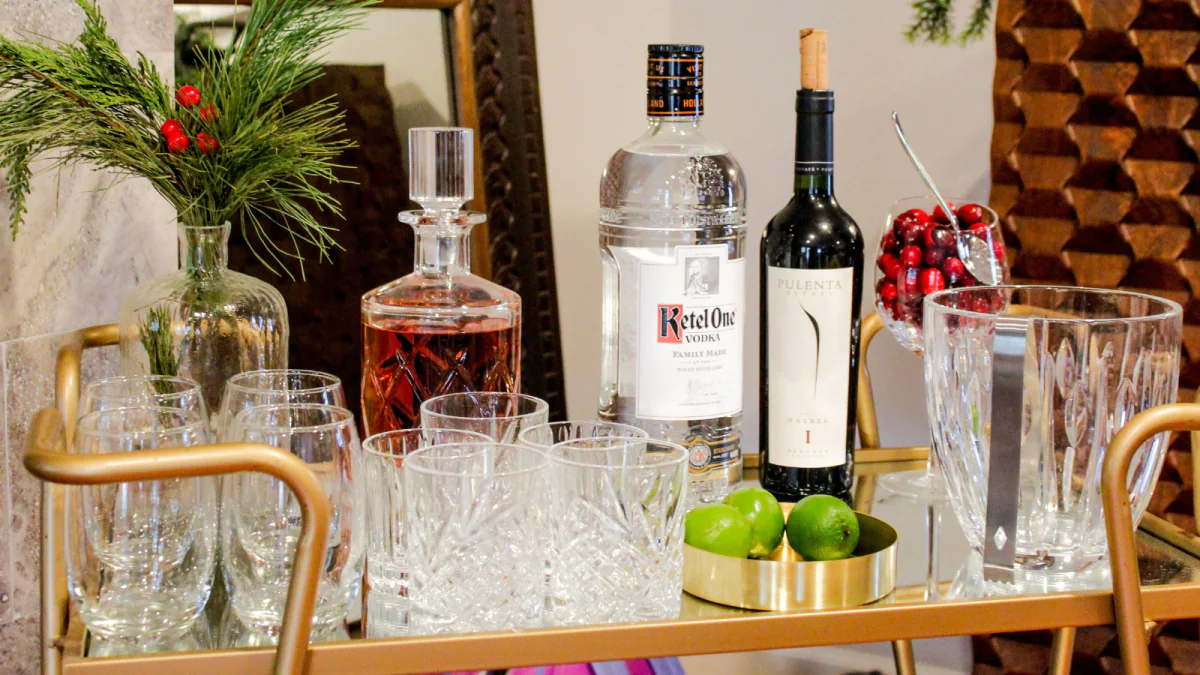
What makes a cocktail seem luxurious at home usually has less to do with the alcohol itself and more to do with the atmosphere. (Image credits: Pexels)
Not all memorable cocktails come from a dimly lit bar or an expensive drinks menu. Sometimes it arrives in a plain glass at a friend's house, mixed with the right balance of citrus, spirit, and conversation. A classic whiskey sour I recently tried in a cocktail at home did exactly that, smooth enough to merit a second round and good enough to challenge the idea that bar-quality drinks can only be prepared professionally.
Everyone has their own personality in cocktails. I love tequila—the bolder the better—but my friends often cringe when they see me order it on the rocks. Likewise, I feel the same way about your favorite vodka tonics. That's the fun of cocktails, no two flavors are exactly the same. But creating a good drink at home doesn't mean stocking dozens of fancy bottles or learning complicated techniques.
The bar of a modern home is no longer just a shelf full of bottles collected over time. Increasingly, it has become part of the way people relax, entertain and express their personal tastes. Some approach it as a weekend ritual, others as a social hub during intimate dinners or house parties. Either way, the appeal of recreating a proper cocktail experience at home has gone far beyond simply mixing drinks.
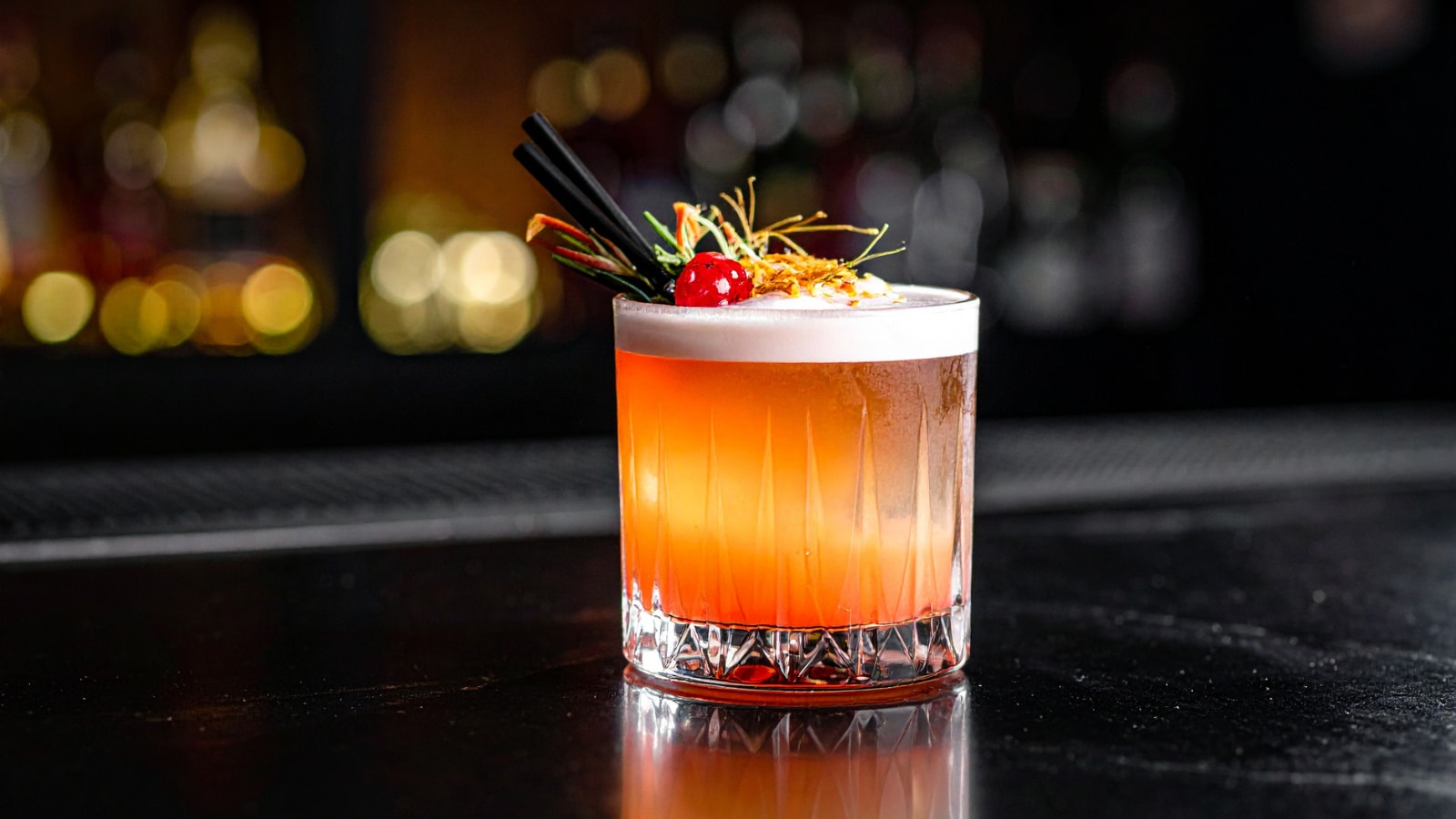
According to Devi Singh, winner of the Camikara Millionaire Bartender Challenge 2025, the basis of a good cocktail is rarely about complexity. It's about consistency, balance and proper understanding of some essential elements.
“People tend to overcomplicate cocktails with too many ingredients,” says Singh. “But if you get the basics right—good ice, fresh citrus, balanced sweetness, and proper measurements—you're most of the way there.”
Interestingly, that simplicity is what separates a rushed homebrew from something that feels polished and intentional.
The non-negotiable fundamentals of a cocktail
Ice is perhaps the most overlooked but critical element. The large, clear cubes or spheres melt slowly, providing a controlled dilution without diluting the flavors. Crushed or poor quality freezer ice can ruin an otherwise well-balanced drink in a matter of minutes. Investing in silicone molds or considering a small countertop ice maker can make a noticeable difference.
Fresh citrus fruits follow closely. Bottled juices simply can't replicate the bright acidity and aromatic oils of freshly squeezed lemons, limes, or oranges. A simple hand juicer and a few minutes of preparation transform a Margarita or Whiskey Sour from ordinary to exceptional.
Balanced sweetness requires thought. Whether using simple syrup, honey, agave, or liqueurs, the goal is harmony rather than cloying sugar. Devi Singh emphasizes the importance of tasting as you go: “Understanding the interplay between spirit, sour, sweet and dilution turns a basic recipe into something elevated.”
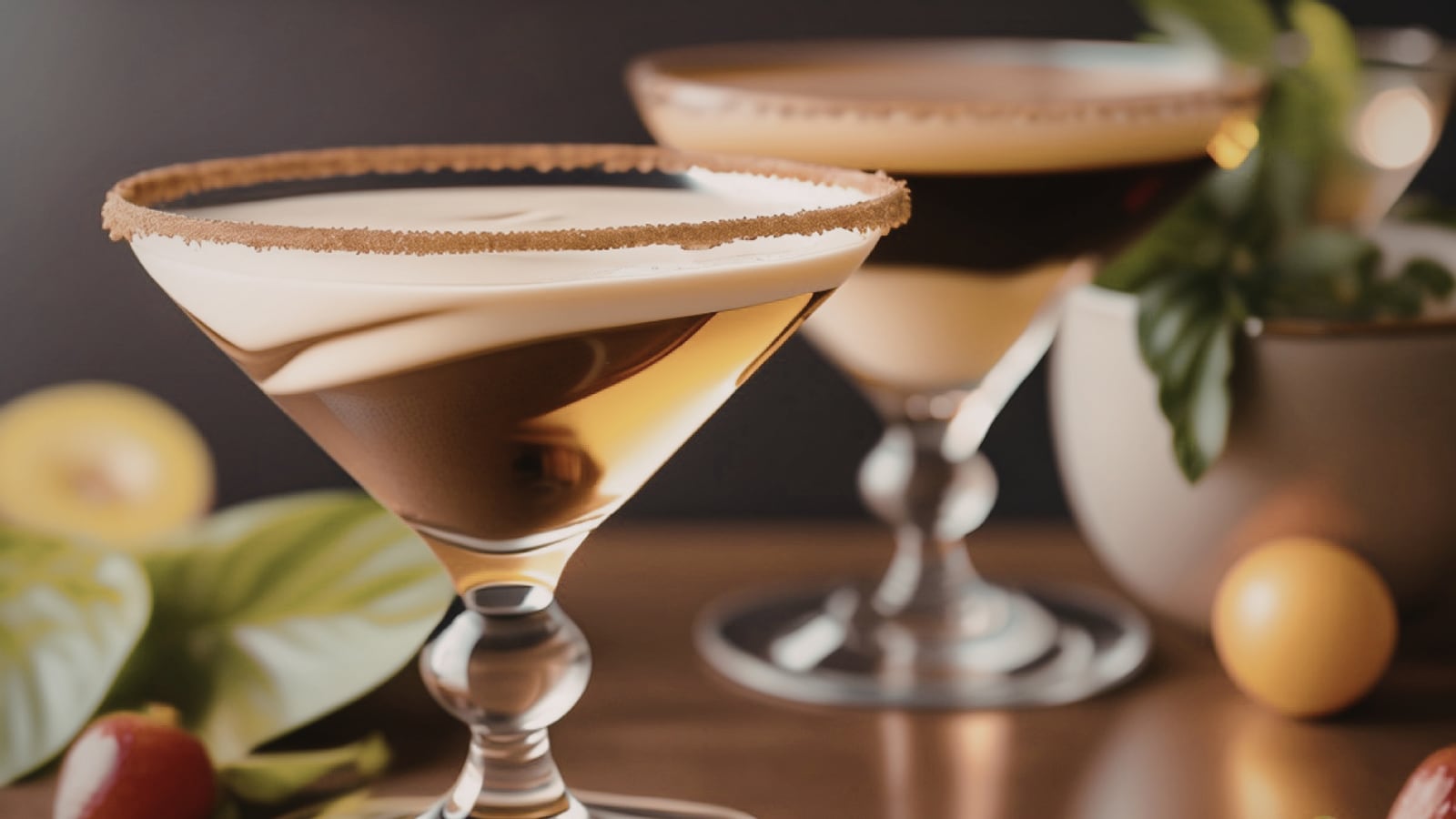
The right glassware completes the sensory experience. Serving a Negroni in a sturdy rocks glass, a Martini in a chilled coupe, or a whiskey in a tall, elegant glass is not mere aesthetics: it affects the temperature, the aroma, and how the drink is perceived. Even a modest collection of versatile pieces—rocks glasses, coupes, and highballs—can cover most classic cocktails.
Building Your Home Bar Setup
A functional home bar starts with a specific selection of base spirits. A good bottle of vodka, gin, rum, tequila, bourbon or rye whiskey, and perhaps a versatile Scotch, provide the base for dozens of classics. These don't have to be the most expensive options; Reliability and character matter more than prestige to mix.
Bitters, particularly Angostura, act as the “seasoning” that adds depth and complexity with just a few touches. Simple mixers like tonic water, soda, ginger beer, and fresh juices should be kept cool and in moderation. Excess stock creates waste and disorder.
The essential tools don't need to be professional quality, but they should do their job well: a reliable stirrer, a double-sided measurer for precise measurements, a bar spoon, a strainer, and a mixer. Accuracy in measurement, as Devi Singh points out, avoids the common inconsistencies that separate mediocre drinks from memorable ones.
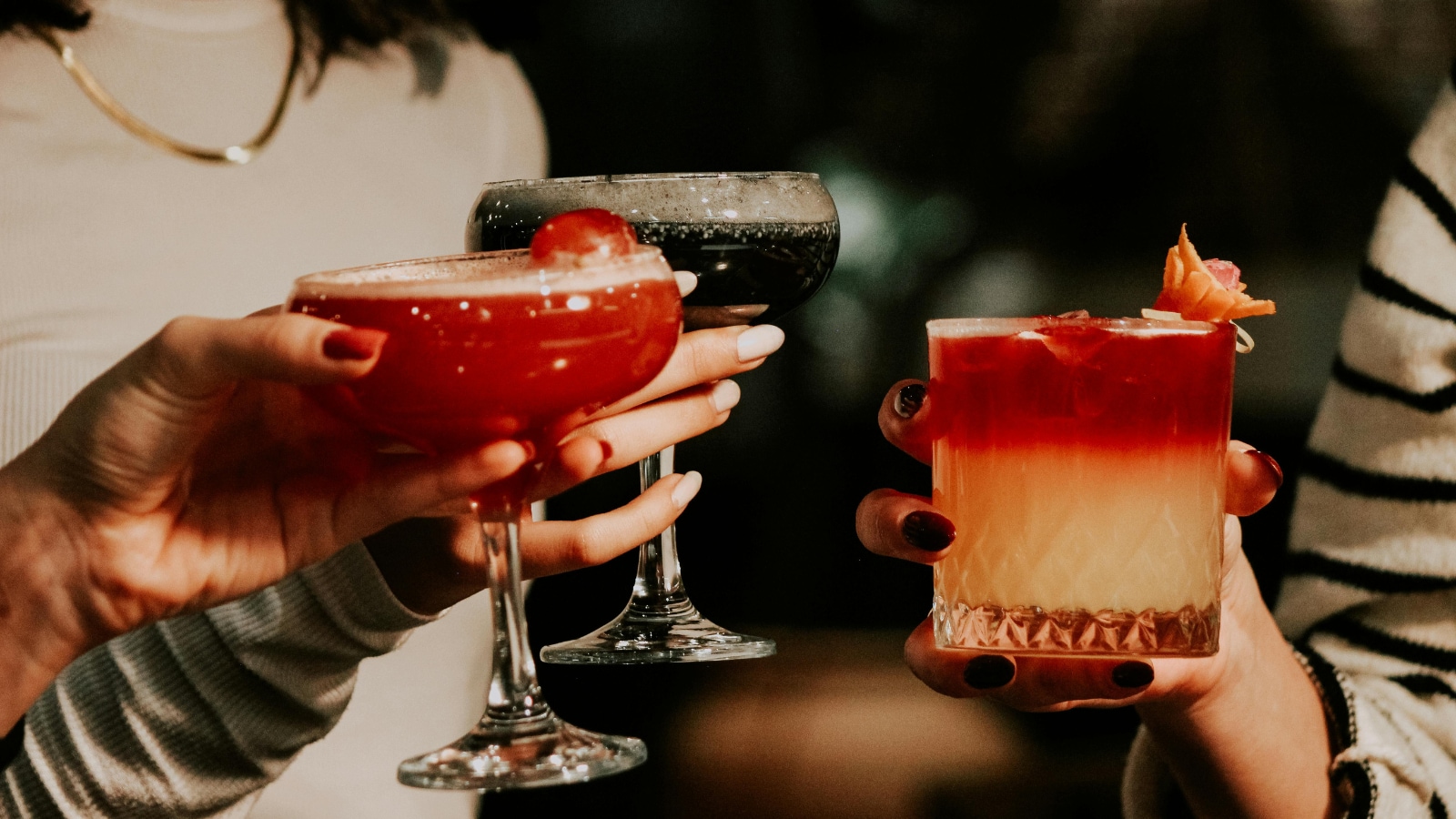
How to choose your first cocktail from the menu?
For those making their first cocktails at home, Devi Singh recommends starting with accessible profiles. “Start with easy, approachable citrus profiles, slightly sweet or light and bubbly. Initially avoid anything too bitter or spirited.”
When exploring new drinks, whether at a bar or through a recipe, focus less on the name and more on the ingredients and description. Understanding the base spirit and desired flavor profile (fresh, strong, sweet or dry) helps develop intuition and confidence.
Read also: Umami, spicy or bitter? Flavor Profiles You Should Know Before Ordering That Cocktail
A well-made Daiquiri or Old Fashioned, served in the right glass and with the right ice, indicates care for both the drink and those who share it.