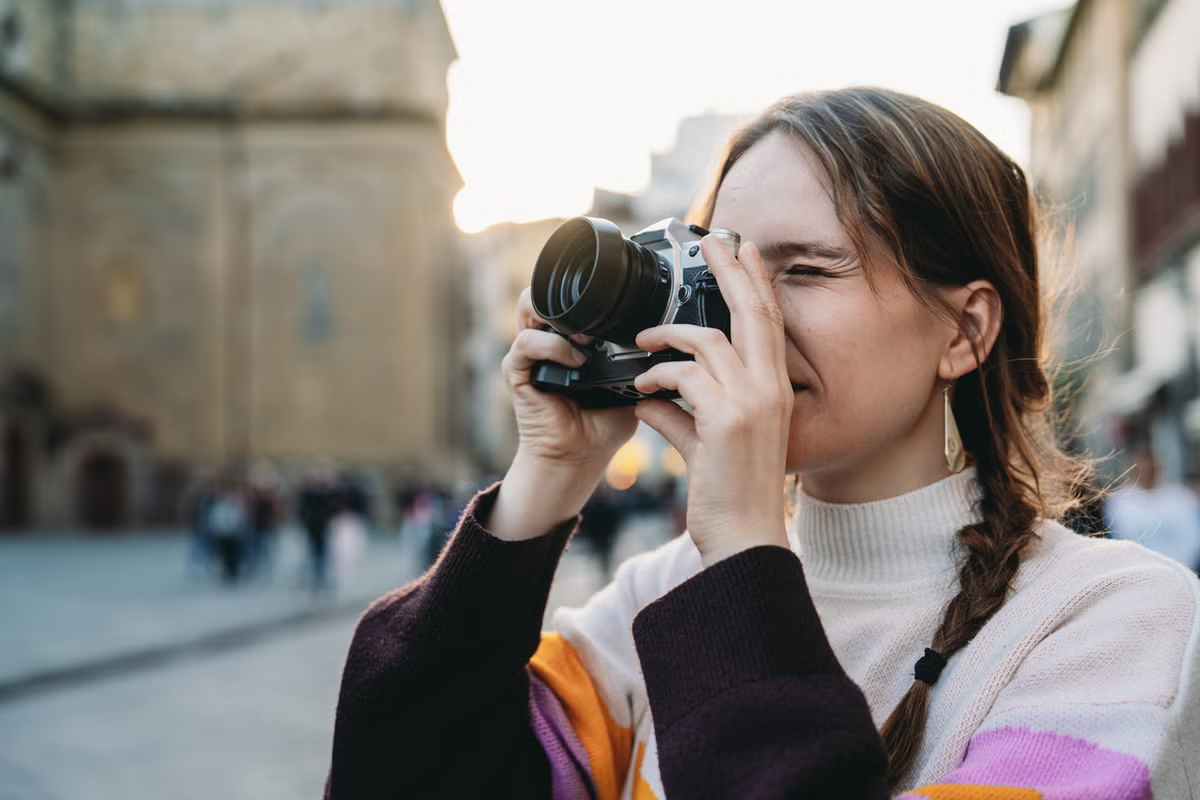
Film photography is undergoing a resurrection, summoned by unlikely conjurers: Generation Z.
It wasn't long ago that analogue photography, which uses photographic film and chemical processing, was declared all but dead, relegated to the province of amateurs and specialized professional artists.
Digital cameras had taken over almost all areas of photographic production. Film industry titans like Polaroid and Kodak had shrunk dramatically from their heyday, becoming shells of their former selves. Darkrooms, where students learned to develop and print film manually, closed at high schools and college campuses across the country and were replaced by digital labs. For most people, the spirit of analog photography was primarily channeled through Instagram filters.
But in the last five years, young people have become increasingly attracted to the old way of doing photography.
In 2025, 35% of the 42 million active film camera users worldwide were reported to be between 18 and 30 years old. In the previous year, online searches for analog photography saw a 41% increase.
Sales of disposable cameras have increased steadily since 2023. The photography magazine PetaPixel went a step further, announcing 2024 as “the best film year in decades,” as major brands introduced new cameras in response to renewed demand and revived classic models. More than 30% of Ilford Photo's 2024 film photography respondents were aged between 25 and 34.
As I have witnessed more and more college art and design students embracing analog photography, I don't see this as a trend rooted in a nostalgic longing for the past. Instead, I see it as young people rejecting algorithms, breaking free from the alienation of social media, and reacting to childhoods spent on Zoom and TikTok: a deliberate move to redefine the future of art, social connection, and engagement with the world.
Pining for a 'third place'
In my work as a photography historian and professor at the University of Southern California, I often ask my students how they take photographs, whether they use digital cameras, smartphones, or analog devices.
This year, for the first time, some of my students talked about the images they had printed and the physical photo albums they had collected from their friends and family. They talked about how they had also been sending postcards, writing letters and posting photographs on their bedroom walls.
I couldn't help but think about how much of the language tied to early social media seemed to reshape physical gestures for a virtual world: “posting” to a “wall,” “poking,” “tagging,” and “flagging,” not to mention “making friends.”
This was a rhetorical move by social media companies, probably designed to help people feel like they were on familiar ground of social connection. However, the underlying business model of these platforms depended more on maximizing engagement and advertising revenue than on fostering authentic relationships.
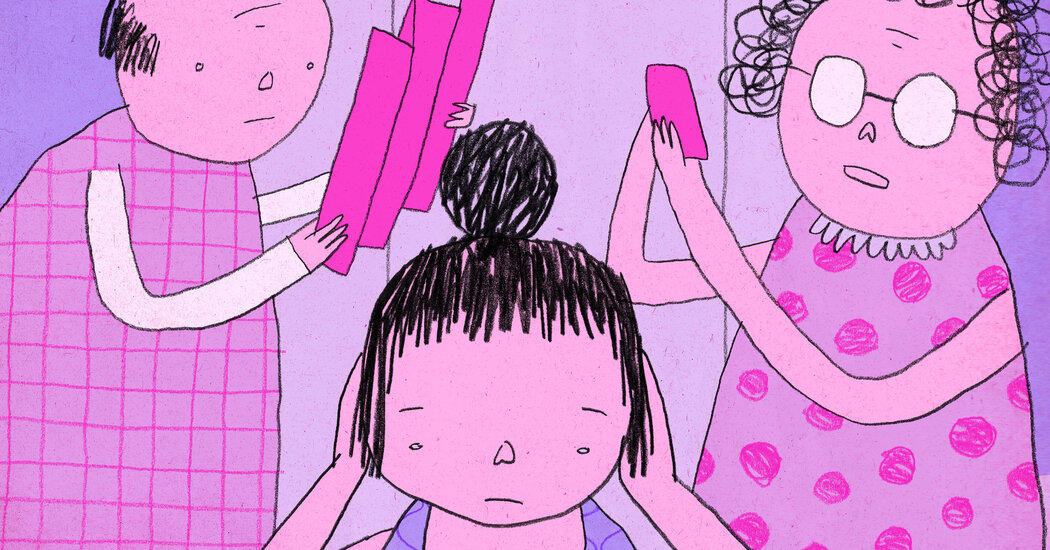
Everyone knows what happened next: the more connected young people became online, the more isolated and detached they began to feel. The COVID-19 lockdown pushed online socializing even further, and researchers are only now beginning to see how the combination of increased screen time and isolation negatively affected teens' mental health. By 2023, 51% of American teenagers reported spending at least four hours a day on social media.
I see the appeal of analog photography as a response to life lived through screens, a path toward community participation and the desire for what sociologists call “a third place.”
About the author
Rotem Rozental is a professor of critical studies at the Roski School of Art and Design at the University of Southern California. This article was first published by The Conversation and is republished under a Creative Commons license. Read the original article.
Coined by sociologist Ray Oldenburg in his 1989 book. The great good placeThird places are understood as a space separate from home and work. They offer a respite for the in-between, creating the conditions necessary for creative cross-pollination. They could include a local coffee shop, a neighborhood writing group, a weekly game of Magic: The Gathering, or a college fraternity—any space that allows for social interaction and personal growth.
These spaces also combat loneliness. They take people out of their heads and integrate them into a community. Oldenburg also referred to them as “havens of sociability,” places or gatherings where people can come alone to join others, and the atmosphere is “democratic and festive.”
IRL Analog Communities
In April 2026, the inaugural AnalogCon took place in Los Angeles. Hosted by the Los Angeles Center of Photography, where I am executive director and chief curator, it was a festival for all things analog photography. It didn't just serve as a third place for photography enthusiasts; It also showed how analogue photography – as a practice, ritual and community – is flourishing.
Vendors, industry leaders, artists and teachers participated in the two-day event, which included exhibits, panels, demonstrations and guided photo tours of Little Tokyo. The excitement and thirst for similar events was palpable.
Photography now joins a broader trend of generational concern for physical cultural objects and media. Although streaming music represents 82% of the revenue generated in the music industry, vinyl record sales have been increasing for more than a decade, surpassing the $1 billion threshold in the United States in 2025.
Almost 60% of Generation Z now buy records. VHS tapes and video players are also making a strange comeback, with stores like Be Kind Video and Videotheque in California offering VHS, DVD and Blu-ray rentals.
But beyond that, record stores and video rental stores have become third places in their own right. There's a big difference between selecting a movie to stream from your bed and leaving the house, going to a store and talking about movies with a clerk and other movie enthusiasts.
Think of the sound a tape cassette makes when you open and close it, or the vibrant graphics on the covers of DVDs or VHS tapes. Think about rewinding or making a mixtape for your recent crush. These are objects of belonging that mark specific cultural, ritual and aesthetic moments, and many young people today are beginning to experience them for the first time.
Now, think about gently inserting a roll of film into a camera. Consider carefully choosing an angle when taking a photo, because the number of frames is limited and you want them to count. Think of the thrill of discovery when images finally emerge as objects on paper.
To me, these are more than passing trends. They signal a push against a digital culture designed to cultivate envy and reward outrage, insults and humiliation.
Instead, armed with rolls of film, more and more members of Generation Z seem to be choosing to abandon their algorithmic feeds in favor of experiencing life in ways that feel more deliberate, personal and tangible.