Last update:
This finding has triggered an intense public health response, which included door-to-door surveys of nearly 30,000 homes in 12 affected locations.




Vaccine-derived poliovirus originates from the oral polio vaccine (OPV), which contains a weakened live virus.
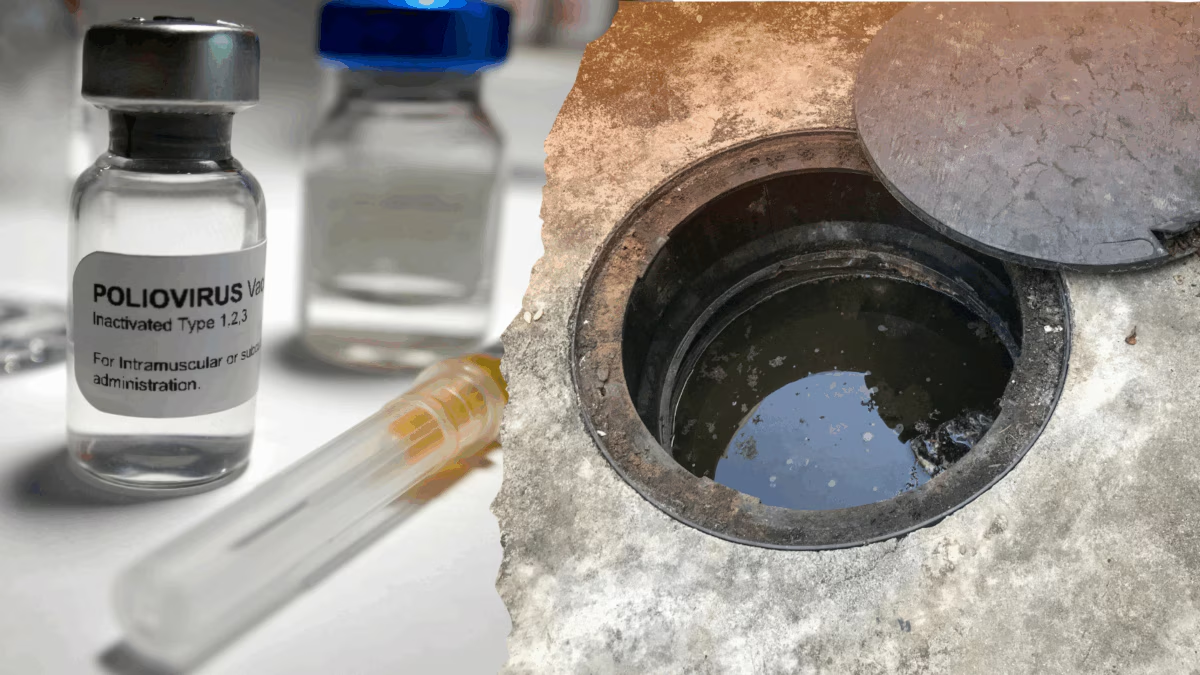
Health authorities in Ghaziabad, Uttar Pradesh, detected vaccine-derived poliovirus type 1 (VDPV1) in a sample of wastewater collected at the Dundahera sewage treatment plant and Vijay Nagar pumping station on June 5, 2026. This finding has triggered an intense public health response, including door-to-door surveys covering nearly 30,000 households in 12 affected localities.
However, authorities have clarified that the virus is not virulent and that there is no immediate public health emergency or confirmed cases of polio.
The detection was carried out during routine environmental surveillance, a standard practice under India's polio surveillance program in collaboration with the World Health Organization (WHO). Authorities have deployed over 107 health teams to screen children under five years of age in areas like Vijay Nagar, Raj Nagar, Daulatpura and others, covering approximately 1.25 to 1.5 lakh residents. As of June 13, several thousand homes had already been inspected.
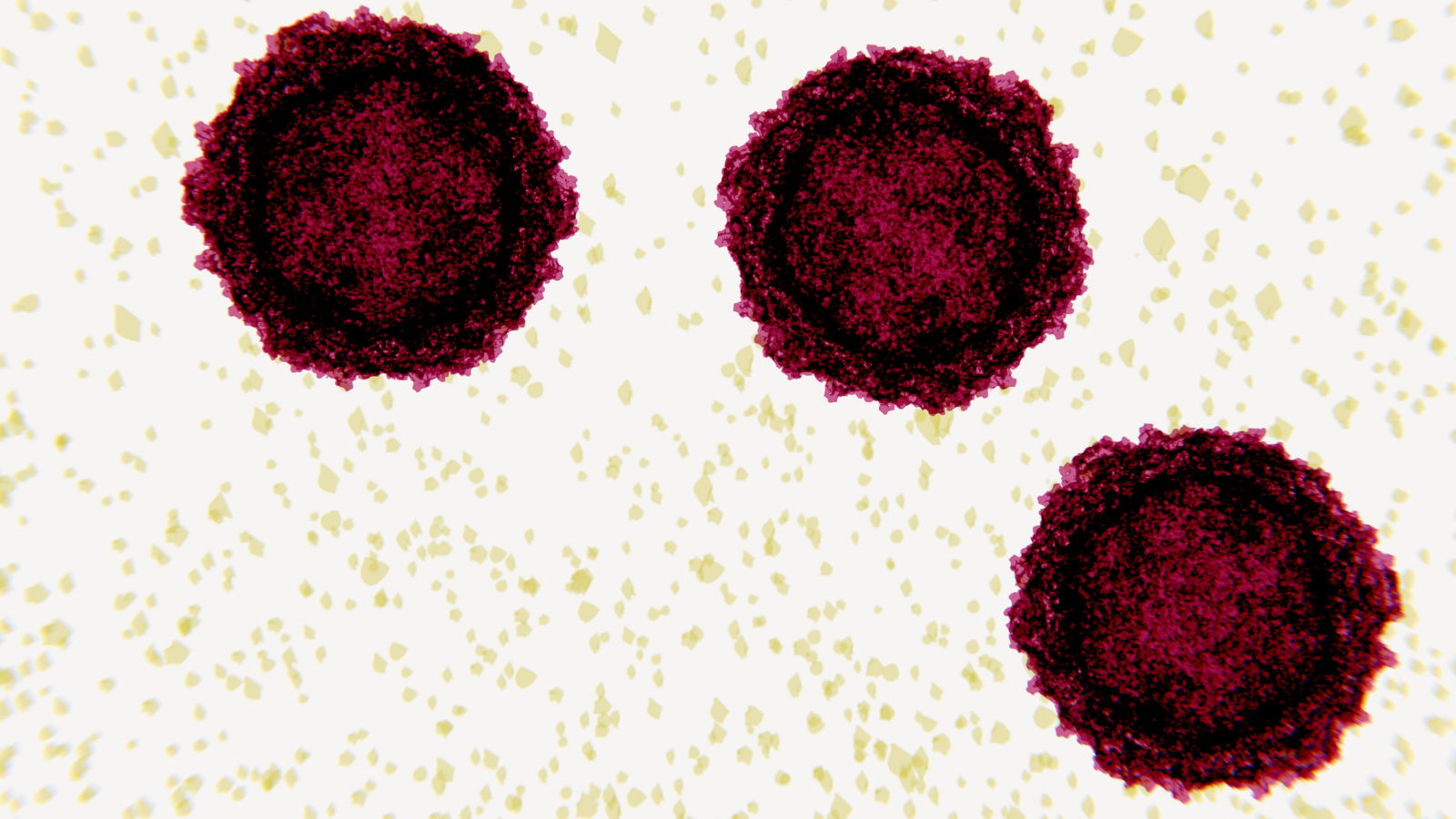
India was declared polio-free by the WHO in 2014 after eliminating wild poliovirus transmission, with the last case recorded in 2011. This latest incident involves a vaccine-derived strain, not the wild virus, and similar detections have previously occurred in places like Varanasi and Meghalaya without causing outbreaks.
What is vaccine-derived poliovirus (VDPV)?
Vaccine-derived poliovirus originates from the oral polio vaccine (OPV), which contains a weakened live virus. After vaccination, this weakened virus can be excreted in feces for several weeks. In communities with low vaccination coverage and poor sanitation, it can circulate for long periods, mutate, and in rare cases regain the ability to cause paralysis, known as circulating vaccine-derived poliovirus (cVDPV).
The strain found in Ghaziabad is considered largely non-virulent and contained.
What are the symptoms of polio and how to detect them early?
Most poliovirus infections are asymptomatic or cause mild flu-like symptoms, such as
- fever
- fatigue
- headache
- vomiting
- neck stiffness
- muscle pain
In rare and severe cases, the virus attacks the nervous system, causing muscle weakness, acute flaccid paralysis, or permanent disability. Parents should be alert to sudden weakness or paralysis in children and report it immediately to health authorities.
Is there a health risk to the population of Ghaziabad and Delhi-NCR?
Experts emphasize that there is no reason to panic. The detection reflects the strength of India's environmental monitoring system, which identifies potential threats in wastewater before human cases emerge. No clinical cases of polio have been reported and the response is focused on preventive surveillance and boosted immunization.
The risk remains low as long as vaccination coverage remains high.
Why is vaccination important?
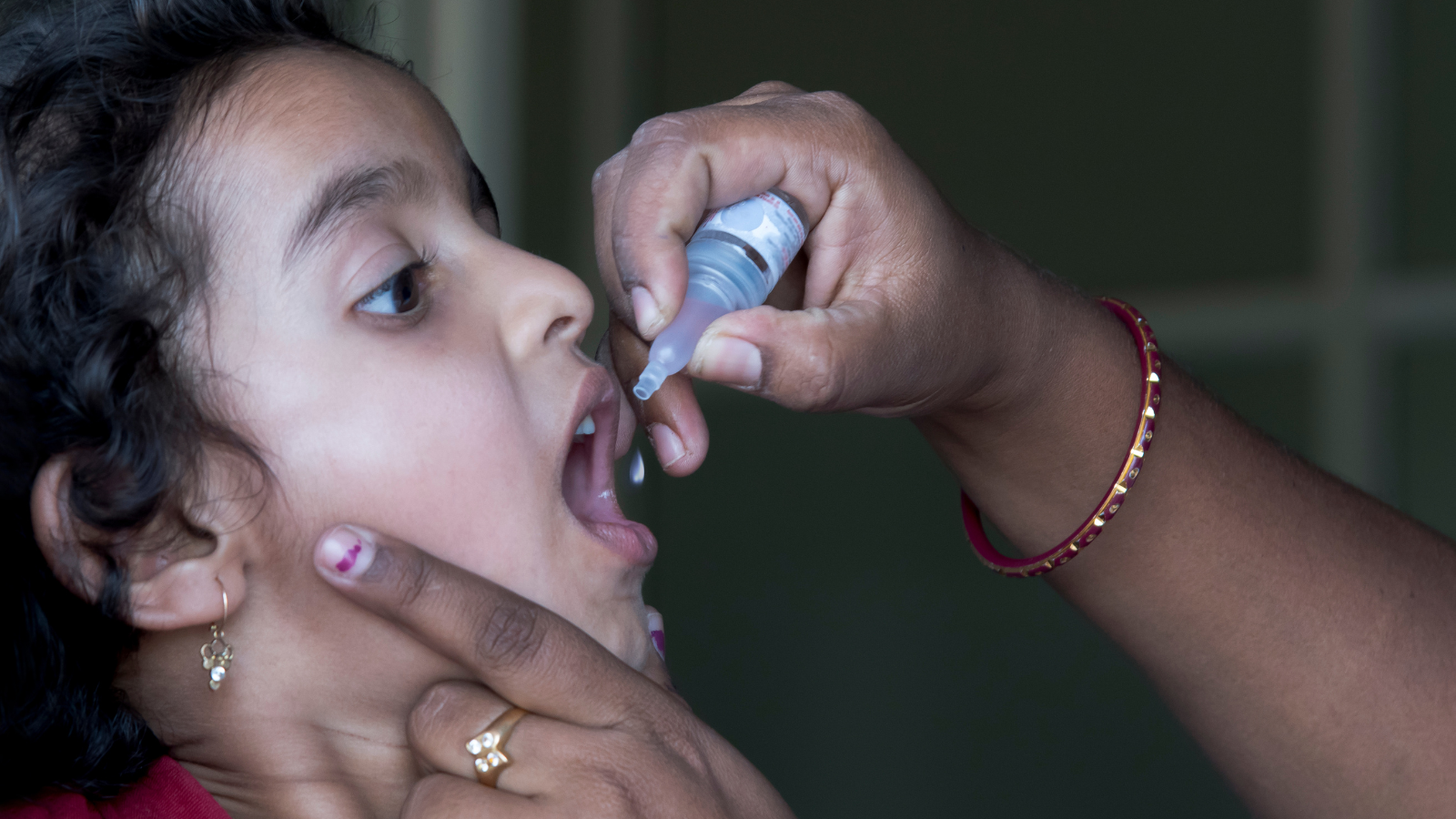
High immunization rates protect individual children and prevent the weakened vaccine virus from circulating and mutating. The Universal Immunization Program provides multiple doses of polio vaccine. Even after India reached a major public health milestone when the WHO certified the country polio-free in 2014, health officials are urging parents to ensure that children complete all scheduled doses and cooperate with ongoing surveys.
Maintaining population immunity is the best defense against both wild and vaccine-derived strains.
The Ghaziabad incident serves as a timely reminder of the importance of maintaining vigilance. Environmental monitoring through periodic analysis of wastewater acts as an early warning mechanism, allowing for a rapid response. Officials from the Uttar Pradesh government, the National Center for Disease Control (NCDC) and the WHO are closely monitoring the situation.
Safety measures to be taken by parents and residents
- Check your child's immunization record and make sure he or she has received all scheduled doses of oral polio vaccine (OPV) and inactivated polio vaccine (IPV).
- Children under 5 years old are the most vulnerable. If you miss any doses, contact your local health center or an ASHA worker immediately to catch up on vaccination.
- Wash your hands thoroughly with soap and water before eating, after using the bathroom, and after returning home from outside.
- Avoid giving children untreated or contaminated water. Use boiled, filtered or bottled water for drinking.
- Maintain cleanliness around the house and ensure proper disposal of waste to avoid sewage contamination.
- Monitor children for any signs such as fever, headache, neck stiffness, muscle weakness, or sudden limping of the extremities.
- Seek immediate medical attention if any unusual symptoms appear.
- Avoid taking children to crowded places with unsanitary conditions during this period.
- Health experts emphasize that India's robust surveillance system detected the virus early and the risk remains very low due to high overall vaccination coverage.