India's growing highway network has transformed the way people travel by road. What once meant long traffic jams, unpredictable delays and exhausting journeys can now be smoother, faster and much more enjoyable. From weekend getaways in the hills to cross-country drives, modern highways make road trips easier than ever. (Representative image: Pinterest)
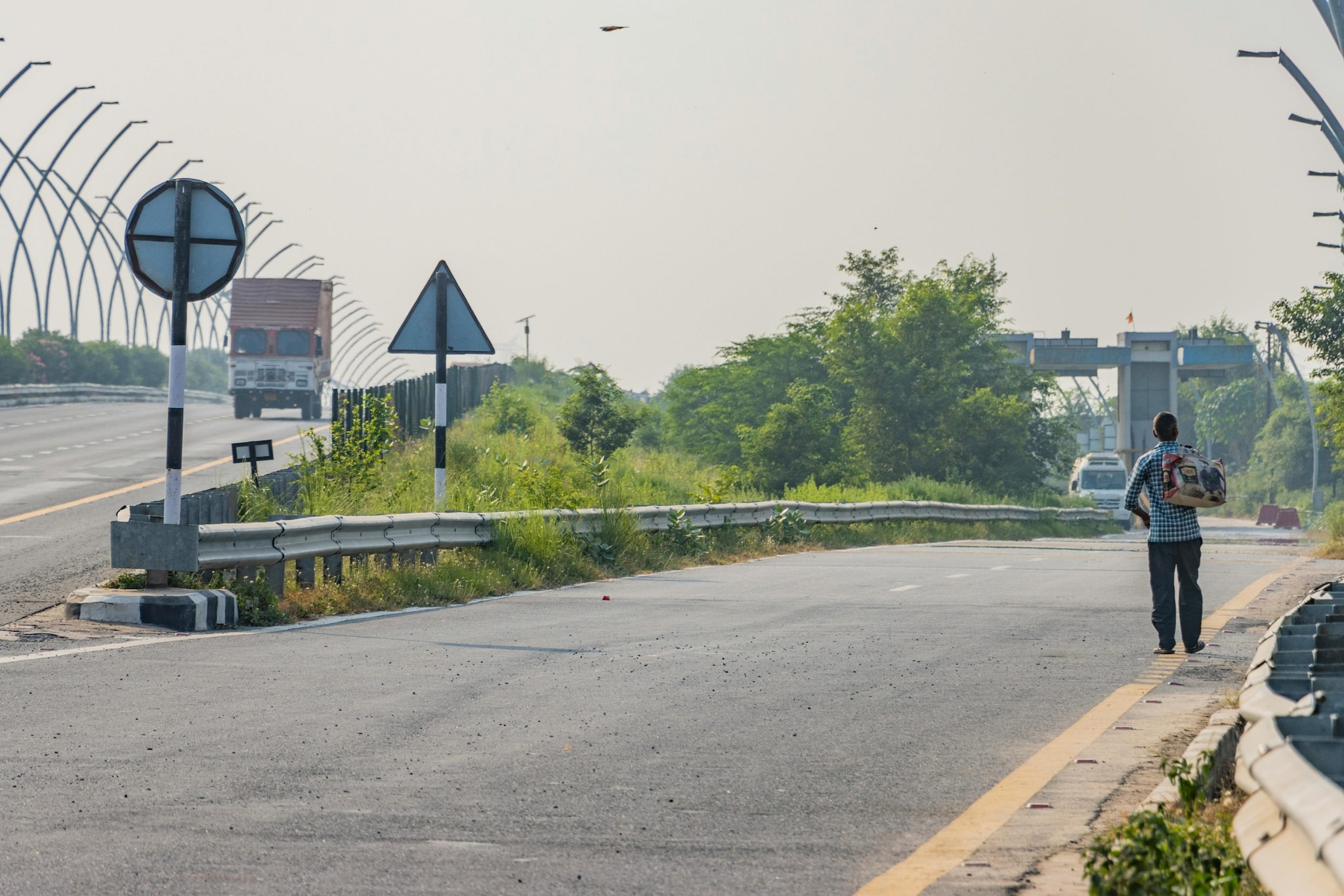
Delhi-Dehradun Expressway: For Delhiites who dream of quick mountain getaways, this expressway is a game-changer. The travel time between Delhi and Dehradun has been reduced from around 6 hours to just 2.5-3 hours. With green corridors and wildlife-friendly infrastructure, it is designed for speed and sustainability. (Representative image: Pinterest)
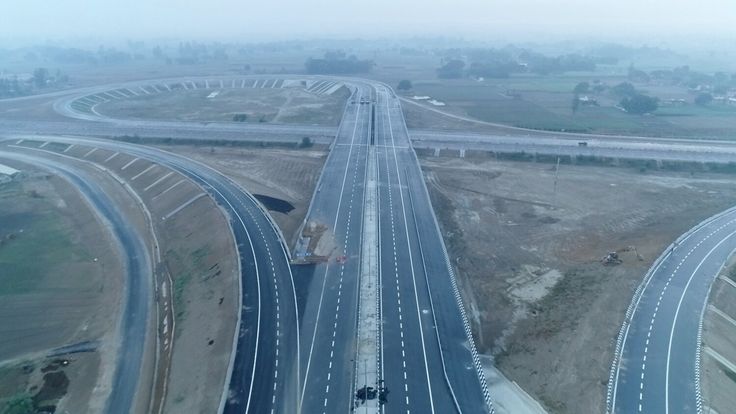
Ganges Highway: One of the longest highways in India, this important route in Uttar Pradesh connects Meerut to Prayagraj. It reduces travel time from about 10 to 12 hours to about 6 to 7 hours, making long trips across the state much more convenient. Its emergency landing strip is one of its most notable features. (Representative image: Pinterest)
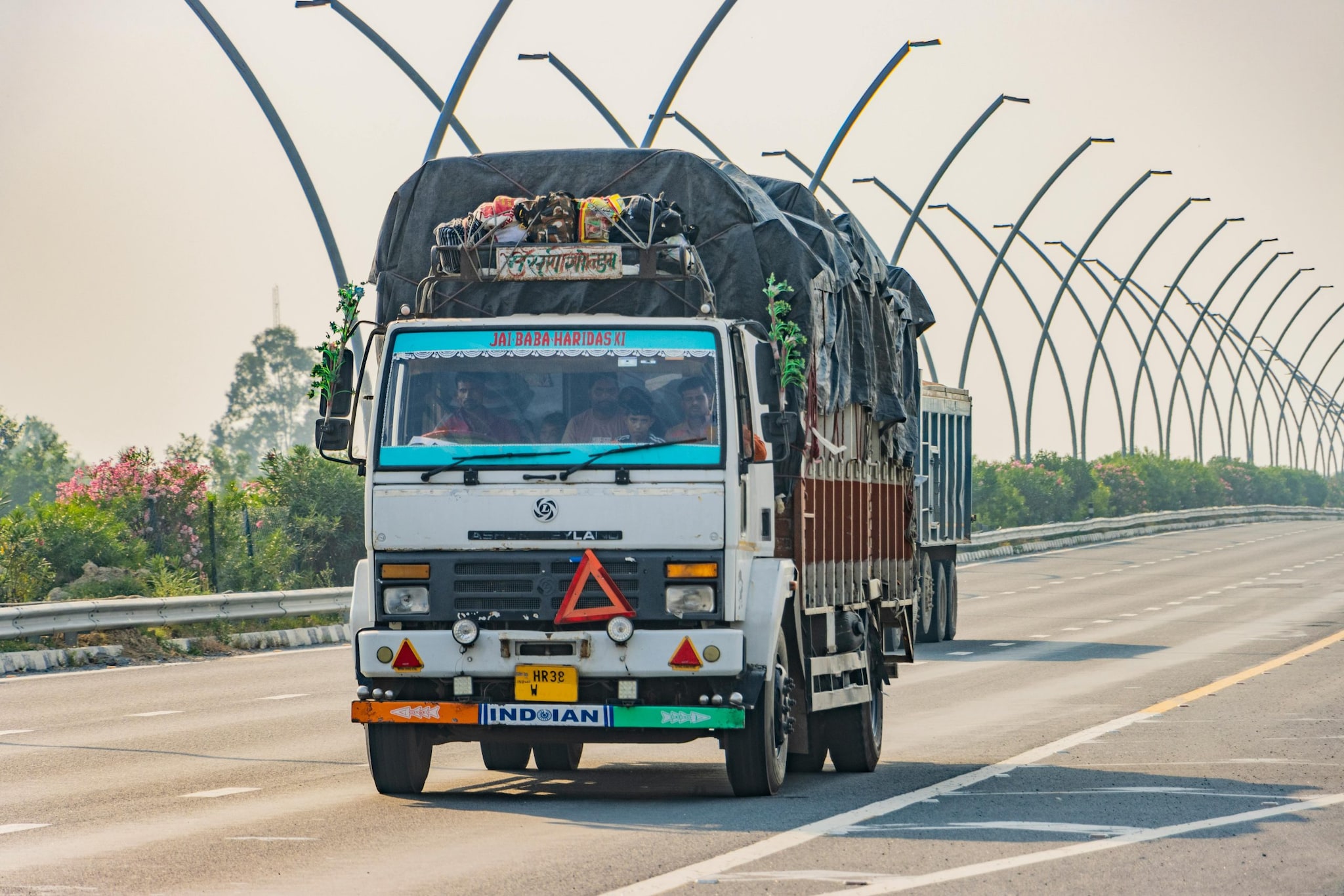
Yamuna Expressway: The Yamuna Expressway, which remains one of the most popular road travel routes in India, connects Greater Noida to Agra, reducing travel time from 4 to 5 hours to approximately 2 to 2.5 hours. It remains a favorite for trips to the Taj Mahal, quick getaways, and sunrise tours. (Representative image: Pinterest)
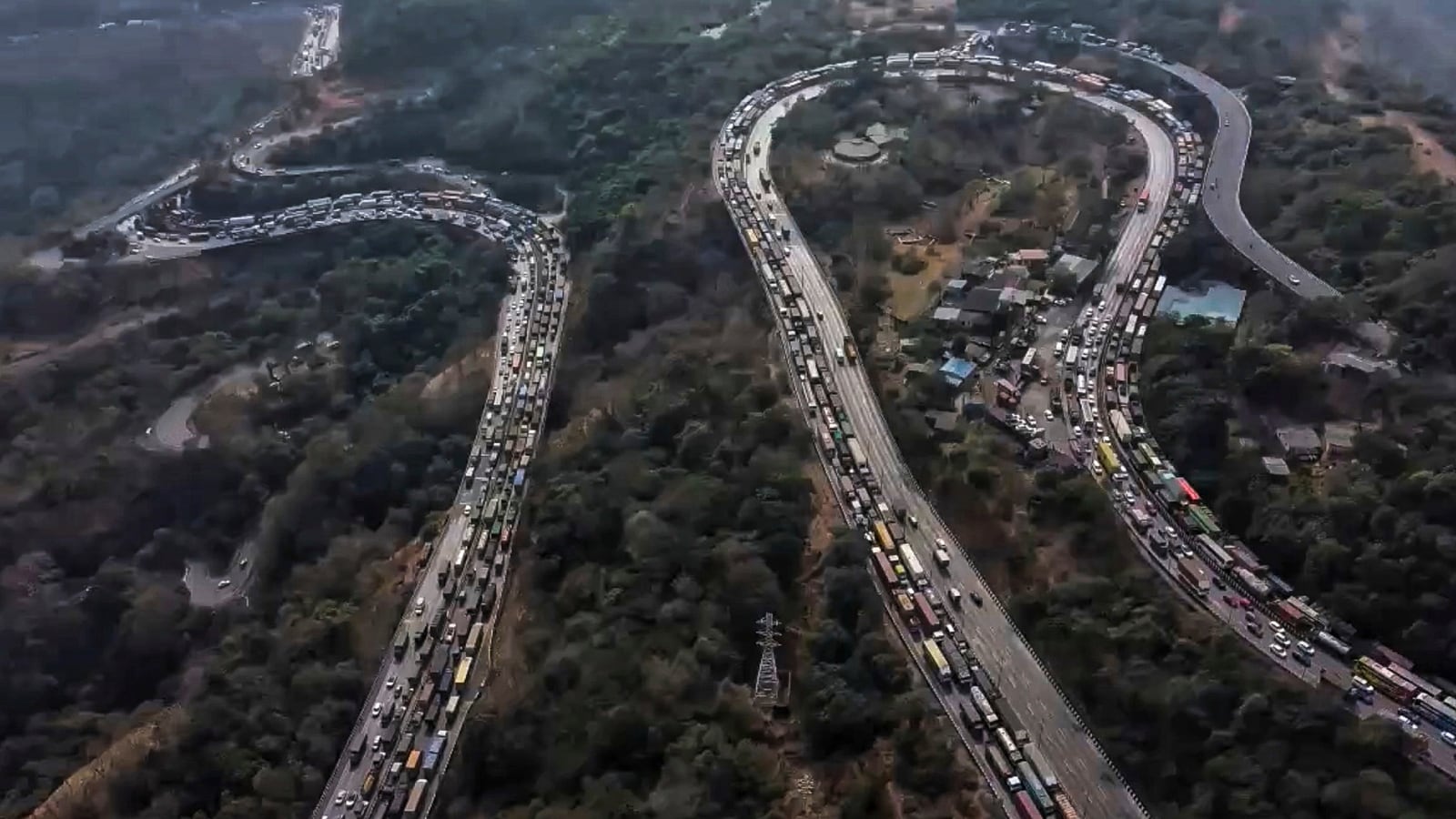
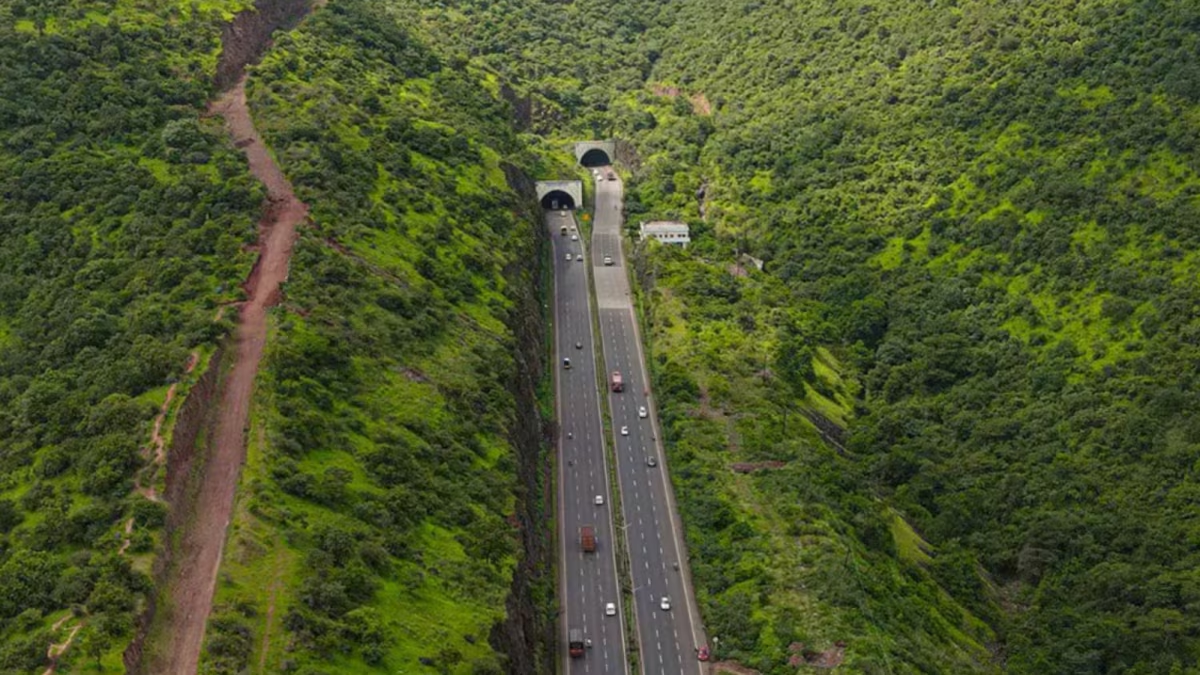
Mumbai-Pune Expressway: India's first six-lane concrete highway remains one of its most iconic roads. By reducing the travel time between Mumbai and Pune to around 2 to 2.5 hours, weekend trips have been simplified. Add to that the picturesque Western Ghats, tunnels and monsoon beauty and you have a classic road trip experience. (Image: PTI)
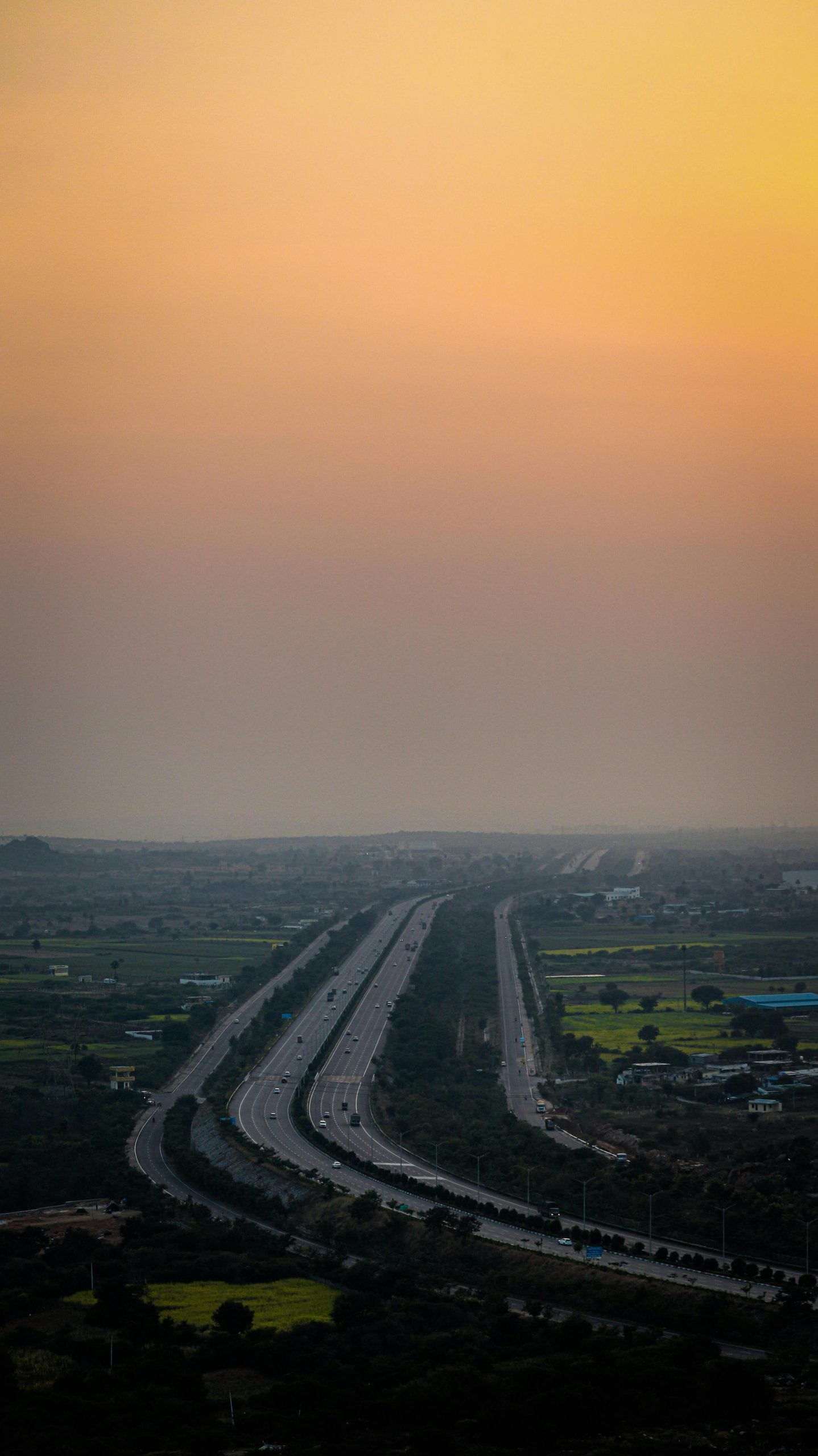
Agra-Lucknow Expressway: This route offers one of the most peaceful long journeys in North India, reducing the travel time from 6 to 7 hours to almost 3.5 to 4 hours. Wide roads, excellent quality and an emergency landing strip make it one of the most advanced roads in the country. (Representative image: Pinterest)
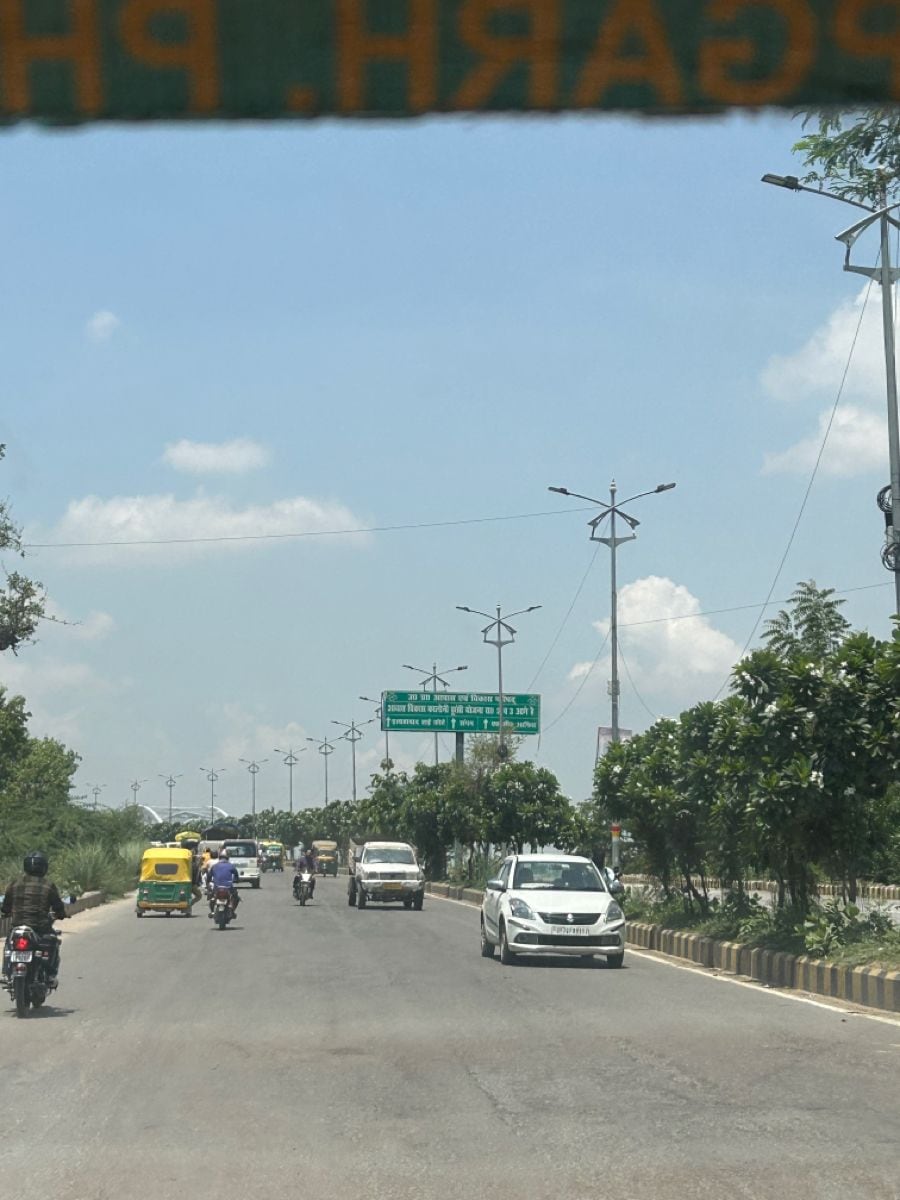
Purvanchal Expressway: This expressway, connecting Lucknow to Ghazipur, has significantly improved access in eastern Uttar Pradesh. Travel time has been reduced from approximately 6 to 7 hours to almost 3.5 to 4 hours, offering a faster and smoother journey. (Representative image: Pinterest)
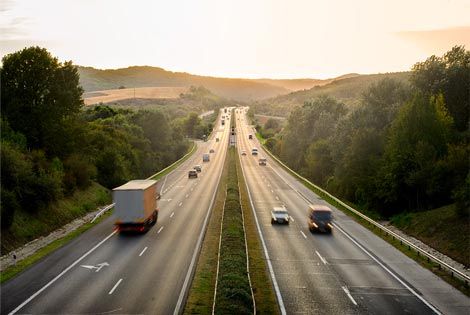
Mumbai-Nagpur Expressway: This ambitious route has dramatically changed long-distance travel in Maharashtra by reducing the journey between Mumbai and Nagpur from around 16 hours to nearly 8 hours. It is a big leap for both tourism and business travel. (Representative image: Pinterest)
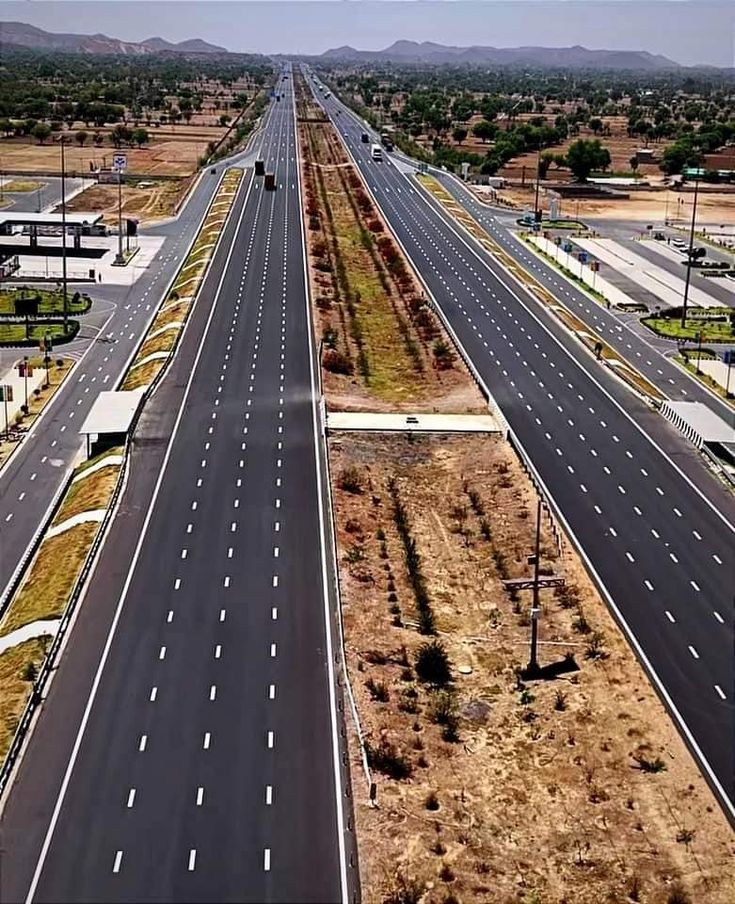
Delhi-Meerut Expressway: Perfect for NCR commuters and short distance commuters, this expressway has reduced travel time from 2.5 to 3 hours to approximately 45 minutes to 1 hour. It is one of the clearest examples of infrastructure that improves daily life. (Representative image: Pinterest)
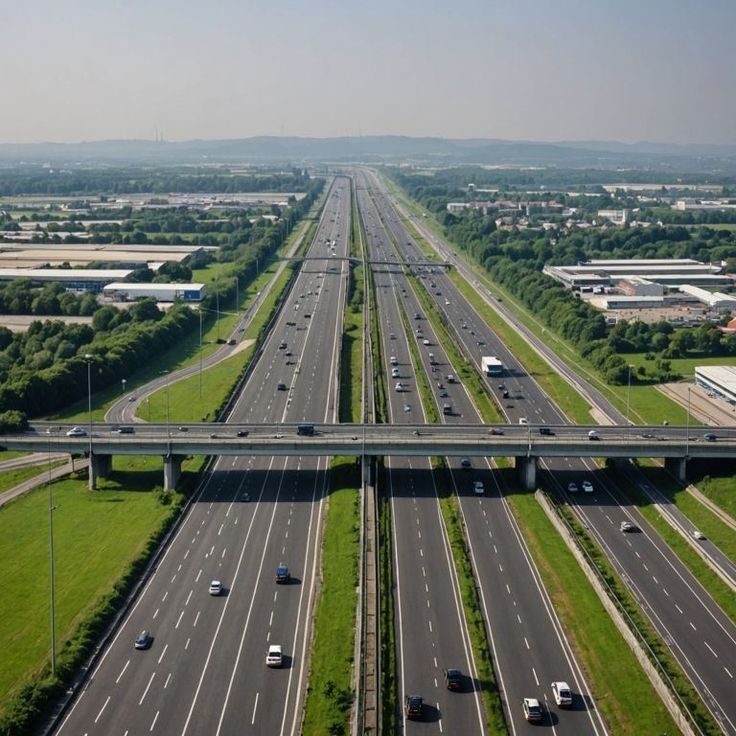
Dwarka Expressway: Designed to ease congestion between Delhi and Gurugram, this route has made travel around the city much more efficient. What used to take up to 1.5 hours in heavy traffic can now be done in just 20-30 minutes. (Representative image: Pinterest)
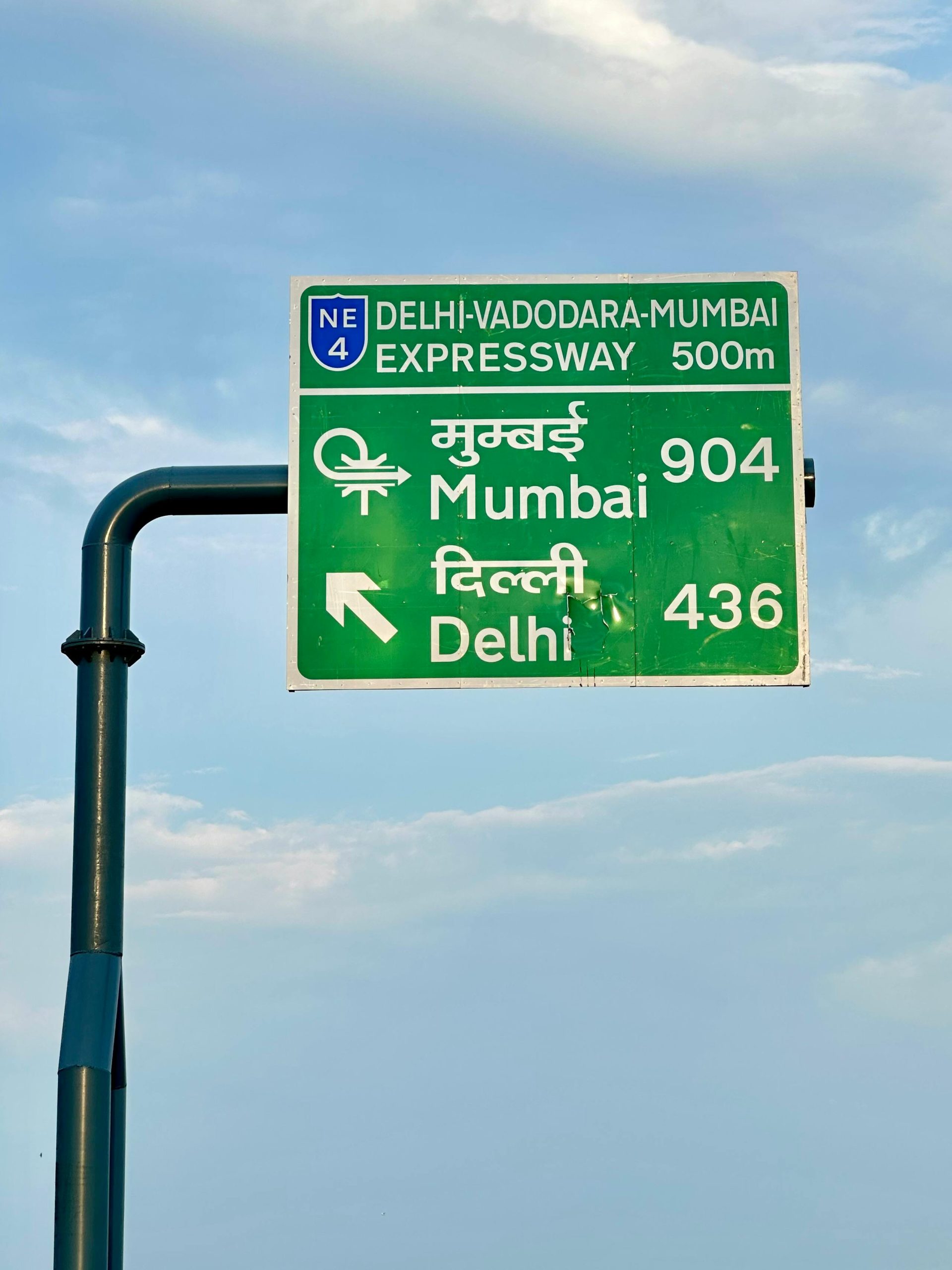
Delhi-Mumbai Expressway: This mega highway, one of India's most ambitious road projects, is expected to reduce travel time between Delhi and Mumbai from nearly 24 hours to around 12 to 13 hours. As more sections open up, it could completely redefine long-distance road travel in India. (Representative image: Pinterest)