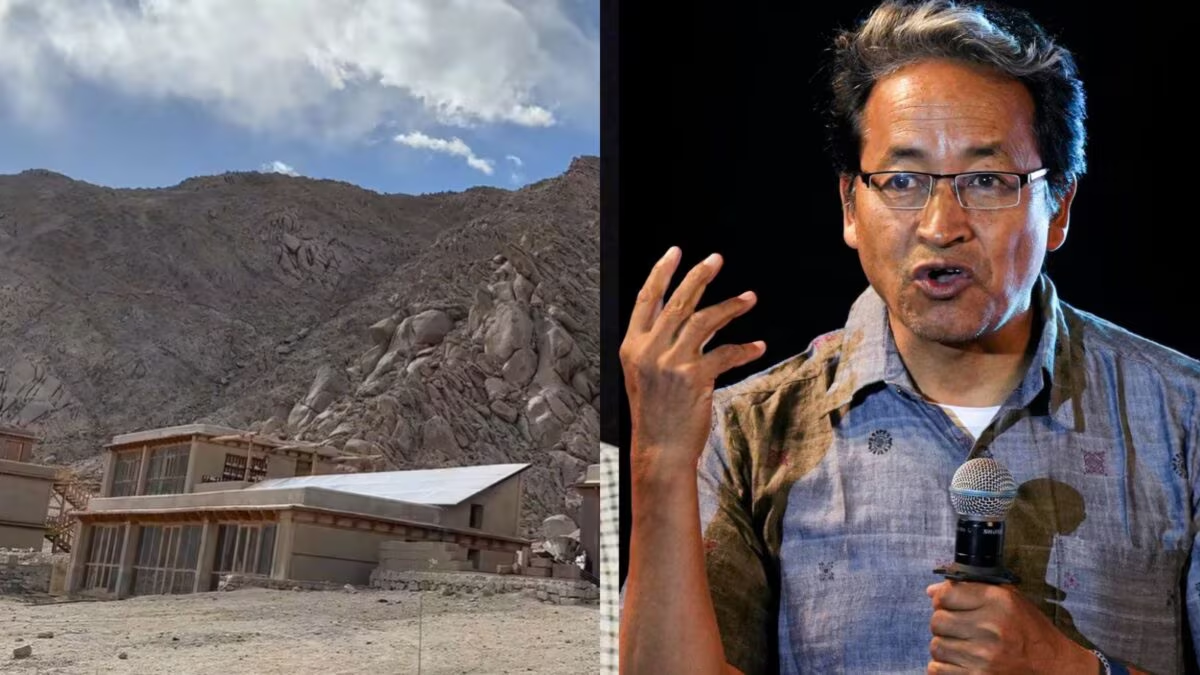
While most people know Sonam Wangchuk as the engineer, educational reformer and climate activist who is currently on hunger strike in Delhi, few have seen the extraordinary house he built in Ladakh. A house tour shared a few years ago by YouTuber Amita Chhorgia Negi, popularly known as Tribal Girl, offered a rare glimpse of a residence that perfectly reflects Wangchuk's philosophy of living in harmony with nature. (Credit: Youtube/Tribal Girl)
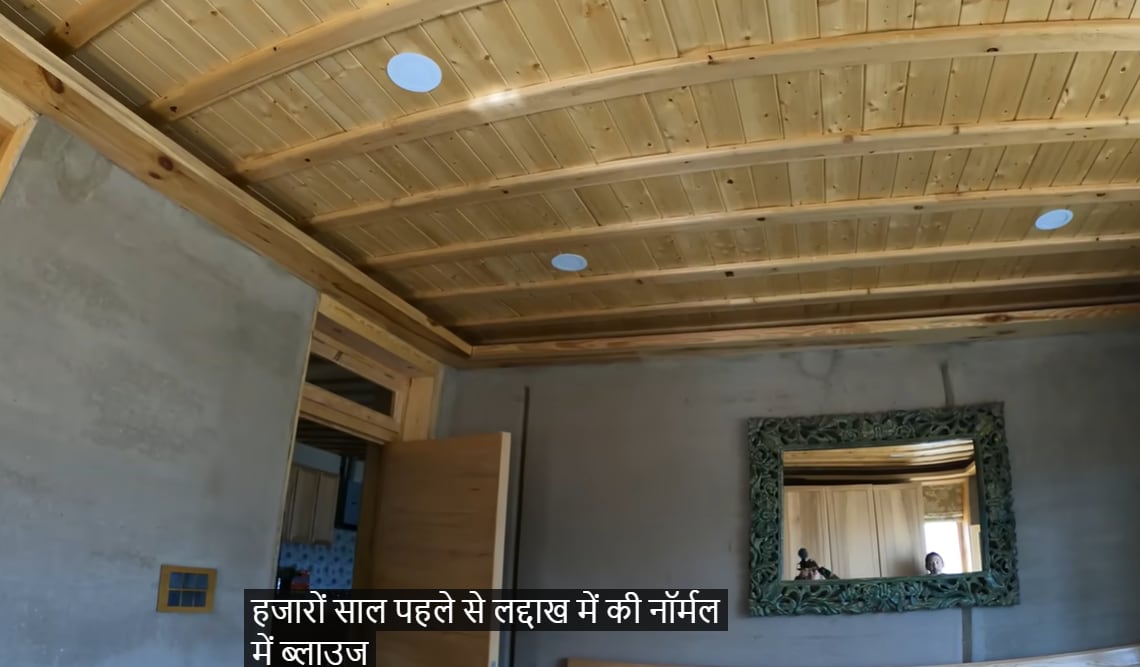
Unlike conventional houses built with concrete and steel, Wangchuk's residence draws inspiration from centuries of Ladakhi architectural wisdom. The structure is constructed primarily of rammed earth and mud, materials that have long been used in Ladakh, Tibet and Kinnaur due to their ability to naturally regulate indoor temperature. The thick earthen walls act as excellent insulation, keeping the interiors cool during the summer and trapping heat during the region's harsh winters. (Credit: Youtube/Tribal Girl)
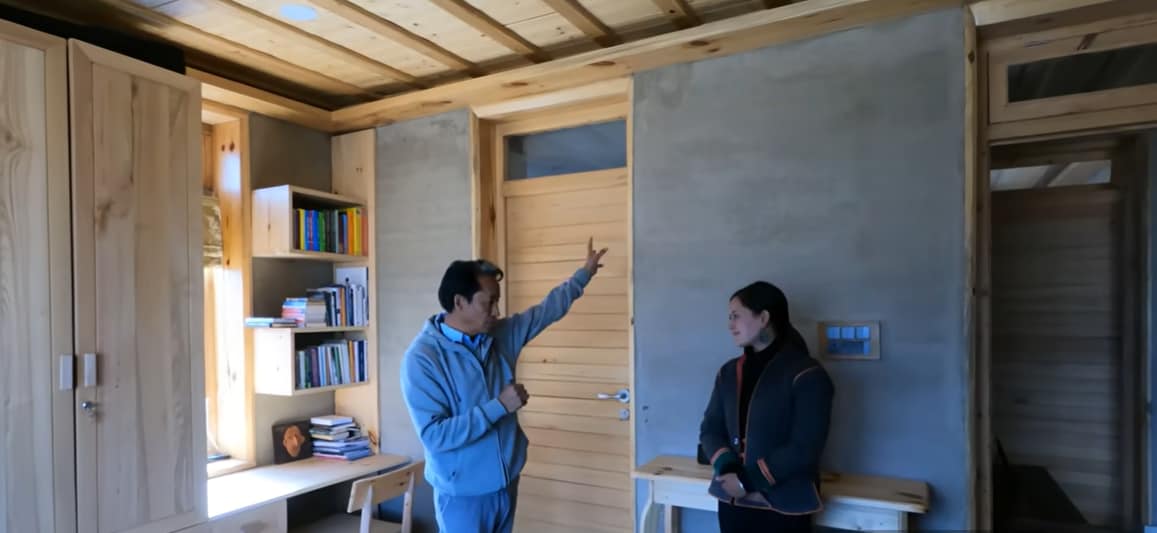
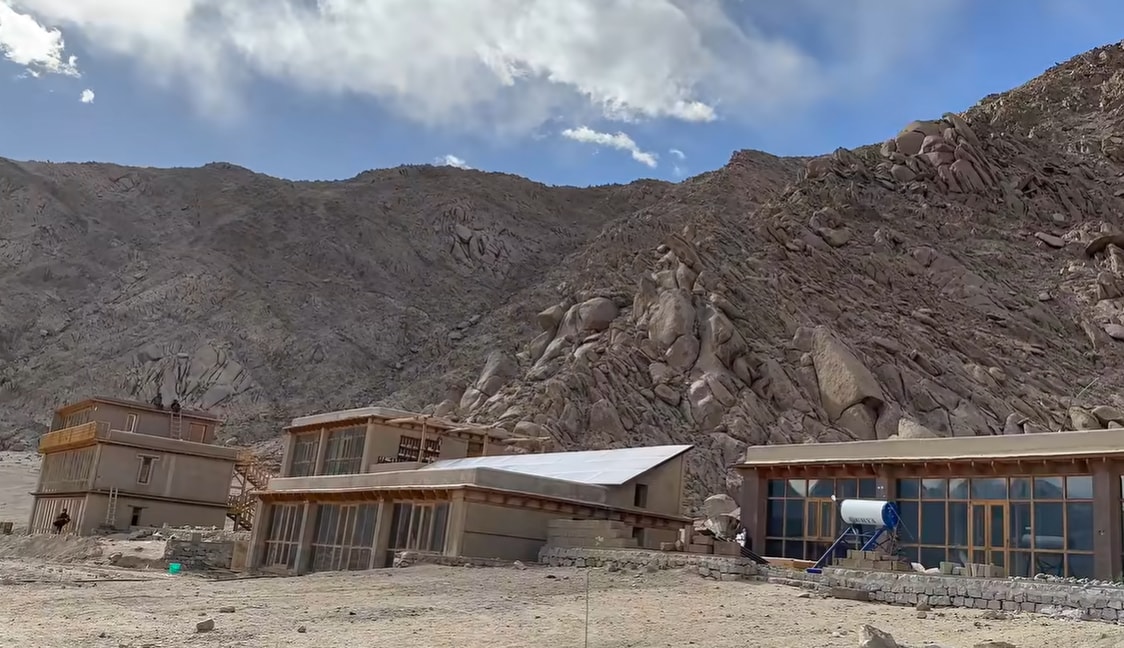
What really sets the house apart is the way it captures and stores solar energy. Instead of relying on traditional wood-burning bukharis or electric heaters, the house uses passive solar heating. Large south-facing windows invite sunlight into the living spaces all day long, while specially designed thermal walls absorb and slowly release heat after sunset. According to Wangchuk, the system helps maintain comfortable indoor temperatures of 18 to 20 degrees Celsius even during the frigid Ladakhi nights. (Credit: Youtube/Tribal Girl)
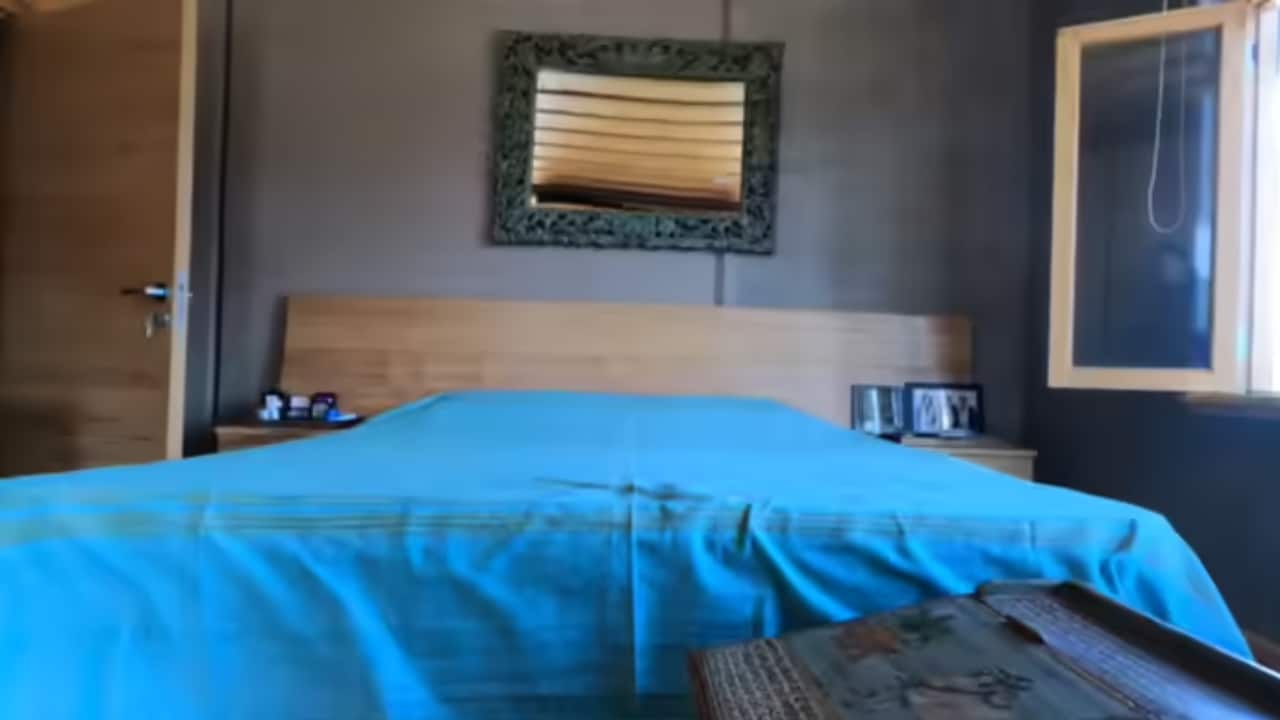
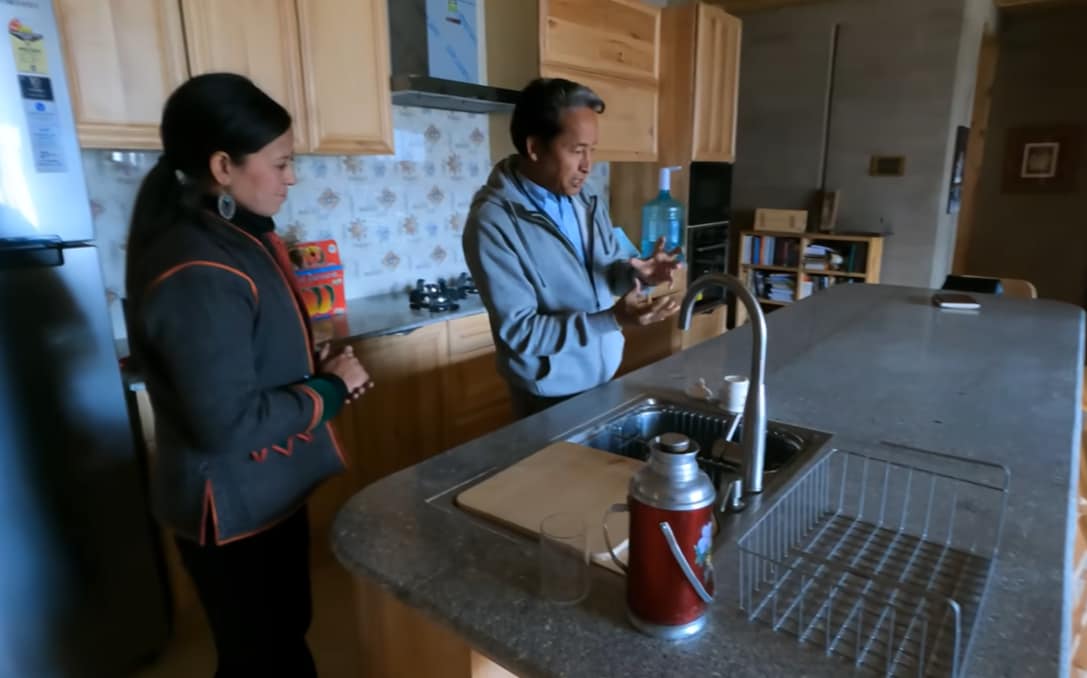
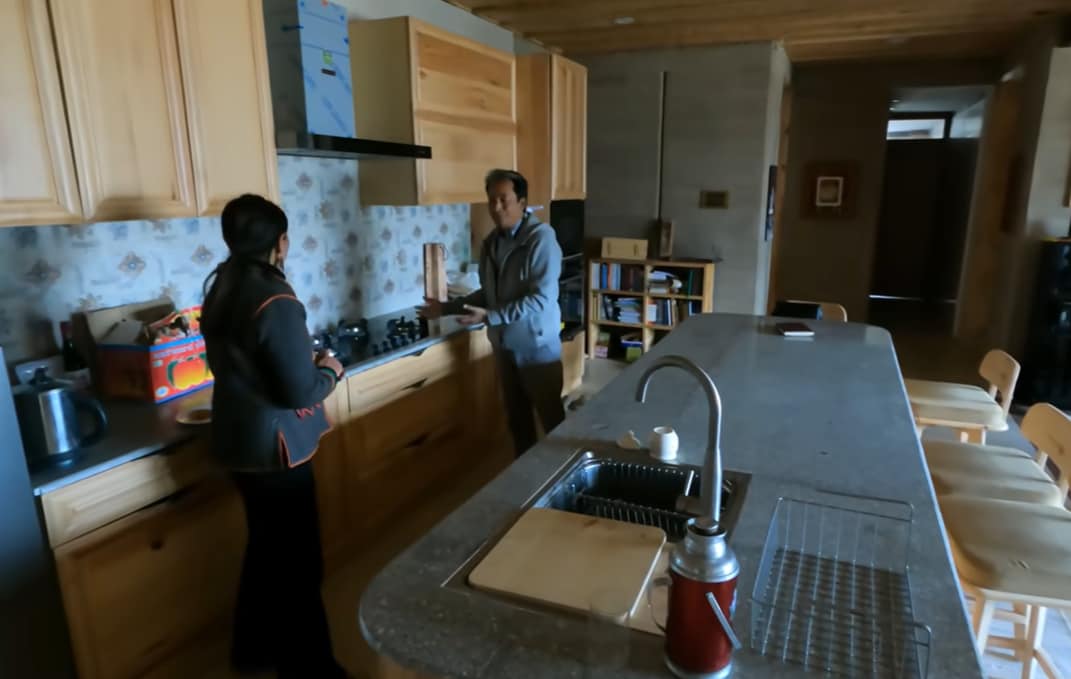
Despite its traditional structure, the interiors are completely modern. Comfortable sofas sit alongside antique wooden furniture, while a modular kitchen blends seamlessly into a communal dining area inspired by traditional Ladakhi homes, where families cook, eat and spend time together in a shared space. The rooms have attached bathrooms, proving that sustainability does not mean sacrificing comfort. (Credit: Youtube/Tribal Girl)
One of the most fascinating features of the house is its ecological sanitation system. Instead of conventional flushing toilets, which consume several liters of water each use, the bathrooms use urine-separating composting toilets. Sawdust or mud replaces water during washing, eliminating odors and allowing waste to naturally decompose into nutrient-rich manure that can then be used in agriculture. In a cold desert where every drop of water matters, the system drastically reduces water consumption. (Credit: Youtube/Tribal Girl)
The property itself functions almost as a self-sustaining ecosystem. A greenhouse helps extend the growing season despite Ladakh's harsh climate, while an apple orchard demonstrates how food production can thrive even at altitudes above 3,500 metres. Every aspect of the landscape has been designed to maximize local resources and minimize environmental impact. (Credit: Youtube/Tribal Girl)
Ladakh's extreme climate – with freezing winters, intense sun, thin air and sharp changes in temperature between day and night – makes it one of the most difficult places in the world to build energy-efficient homes. Many reinforced concrete buildings lose heat quickly and require constant artificial heating. Wangchuk's residence, however, turns these climate challenges into advantages through smart orientation, thick insulated walls, and renewable solar energy, allowing the building to work with nature instead of fighting against it. (Credit: Youtube/Tribal Girl)