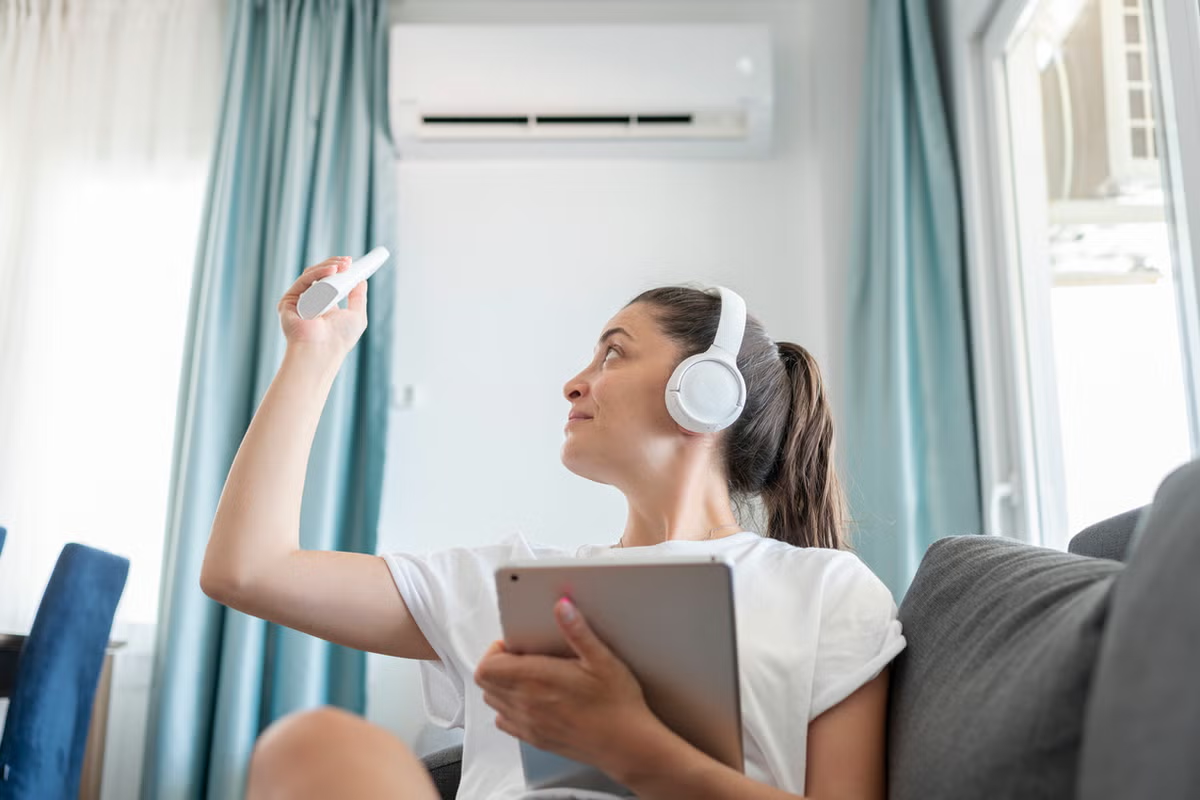
This summer has seen a relentless succession of heat waves, with very little relief in between. As temperatures remain persistently high, the temptation to turn on the air conditioning is undeniable.
However, while air conditioning offers an effective escape from heat, it can also cause some unexpected side effects.
General practitioners have now revealed five surprising ways air conditioning can affect your body and share their best tips for reducing these annoying potential impacts.
1) skin
Prolonged exposure to air-conditioned environments can have a noticeable drying effect on the skin.
“Air conditioning tends to remove moisture from the air, making us feel cooler, but it can increase water loss from the skin,” explains Dr Opel Baker, GP at the Mayfield Clinic in Brighton & Hove.
“This can cause dry skin, tightness, peeling and could even lead to increased sensitivity, eczema or chapped lips.
“Meanwhile, if you're already prone to dry or sensitive skin, air conditioning may make it even worse.”

2) eyes
“Likewise, air conditioning can dry out your eyes and cause burning or stinging. Very occasionally, you may have blurred vision, but that is very rare,” Baker says.
He adds that contact lens wearers may experience more discomfort than others.
“If you blink a little more than usual, that can help calm things down,” Baker recommends.
3) Nose and throat
“The nose and throat are designed to stay moist, so if they dry out they can become irritated,” Baker says. “This could cause a sore throat, stuffy nose, or hoarse voice.”
Dr Lucy Hooper, London-based GP and co-founder of Coyne Medical, agrees, adding: “When your nose and throat become dry, it means you are less able to clear mucus, which is an important part of our immune defense system.”
Some people may experience nosebleeds.
“Air conditioning can dry out the mucous membranes inside your nose, making it more prone to cracking. So if you blow your nose too hard or pick your nose, you can cause it to bleed,” Baker says.

4) lungs
“If air conditioning units are poorly maintained, it can increase the circulation of dust, pollen and mold, which can irritate the lungs and trigger lung diseases such as asthma,” Baker says.
Hooper adds: “These environments can also increase the chances of getting respiratory tract infections, and if you already have an underlying lung condition, getting an infection on top of that can be problematic.”
5) Pains
“If you've been in an air-conditioned hotel room for a long period of time, you may have experienced headaches or body aches. This is because your skin has dried out and you've probably become dehydrated and the flow of cold air could have caused some muscle tension,” explains Baker.
“Dehydration is usually the main cause of these types of symptoms, but air conditioning can have side effects.”
What can I do to stop these irritating effects?
Here are some tips on how to combat these irritating effects:
Stay hydrated
“Be sure to drink plenty of water and stay hydrated throughout the day,” advises Baker.

Moisturize your skin
“If you know you're going to be in an air-conditioned environment for a long period of time, make sure you're well hydrated,” Baker advises. “That will help create a kind of barrier to lose more moisture.”
Look for products that contain humectants, such as glycerin or hyaluronic acid.
“I would suggest using something that contains a good amount of what we call humectants. They coat the skin very well and keep it very moist,” Hooper recommends.
buy indoor plants
Treat yourself to a new houseplant.
“Many houseplants can help return moisture to the atmosphere,” says Hooper.

Protect your lips
“Use a nourishing lip balm to protect your lips,” suggests Baker.
Buy some eye drops
“Contact lens wearers may want to wear them for less time than usual or use eye drops,” suggests Hooper.

Change the position of your car's air conditioning vent
“If you're in the car, try placing the vents away from your face or eyes,” Baker recommends.
Keep your air conditioning unit clean
“It may be out of your control in a hotel or office, but if you have an air conditioning unit at home, make sure it's well maintained and cared for,” advises Baker. “Make sure it has new, clean filters.”
Get a humidifier
“You might consider using a humidifier in the house, which can help keep some of the moisture in the air,” suggests Baker.

Adapt the times in which you are using the air conditioning
“Think about how much you really need to use the air conditioning,” suggests Hooper. “It obviously has a lot of cooling benefits, but you may not need it first thing in the morning when you're at home or in the office.
“You may want to wait until the temperature warms up a bit in the afternoon before turning it on.”