Last update:
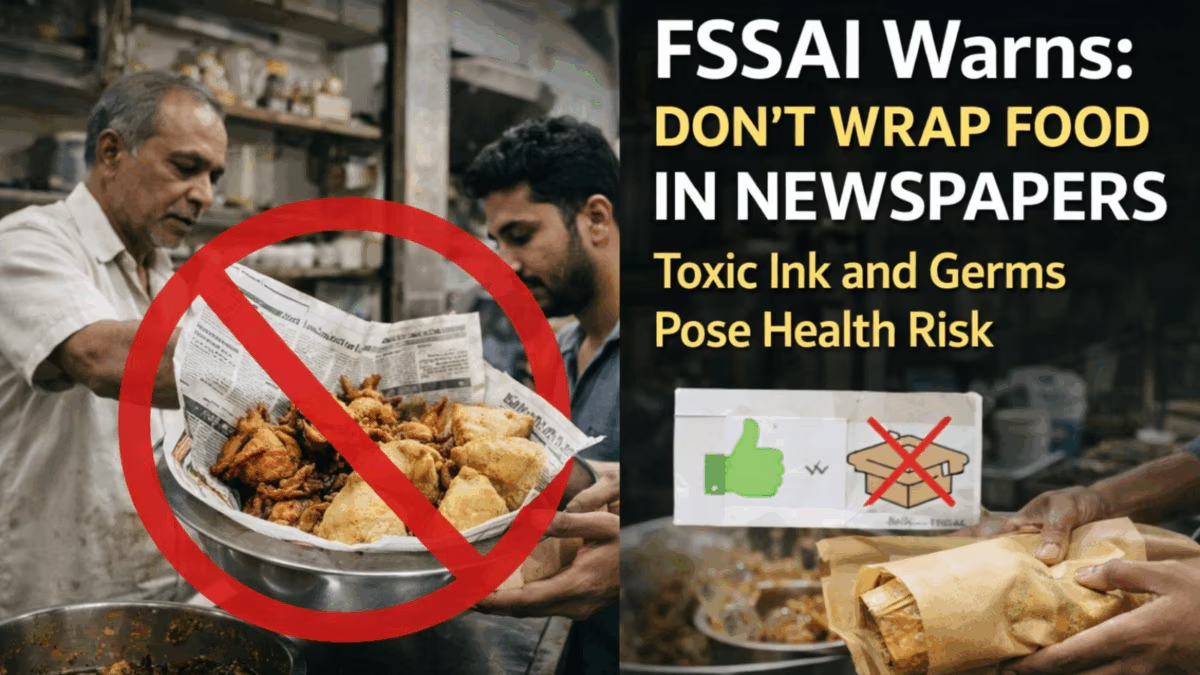
FSSAI renews its warning against wrapping food in newspaper, citing toxic chemical inks, heavy metals and microbial contamination, and urges safer food-grade packaging alternatives




FSSAI warns against wrapping food in newspapers: printing ink and microbial contamination make it unsafe to serve snacks like samosas and pakoras.
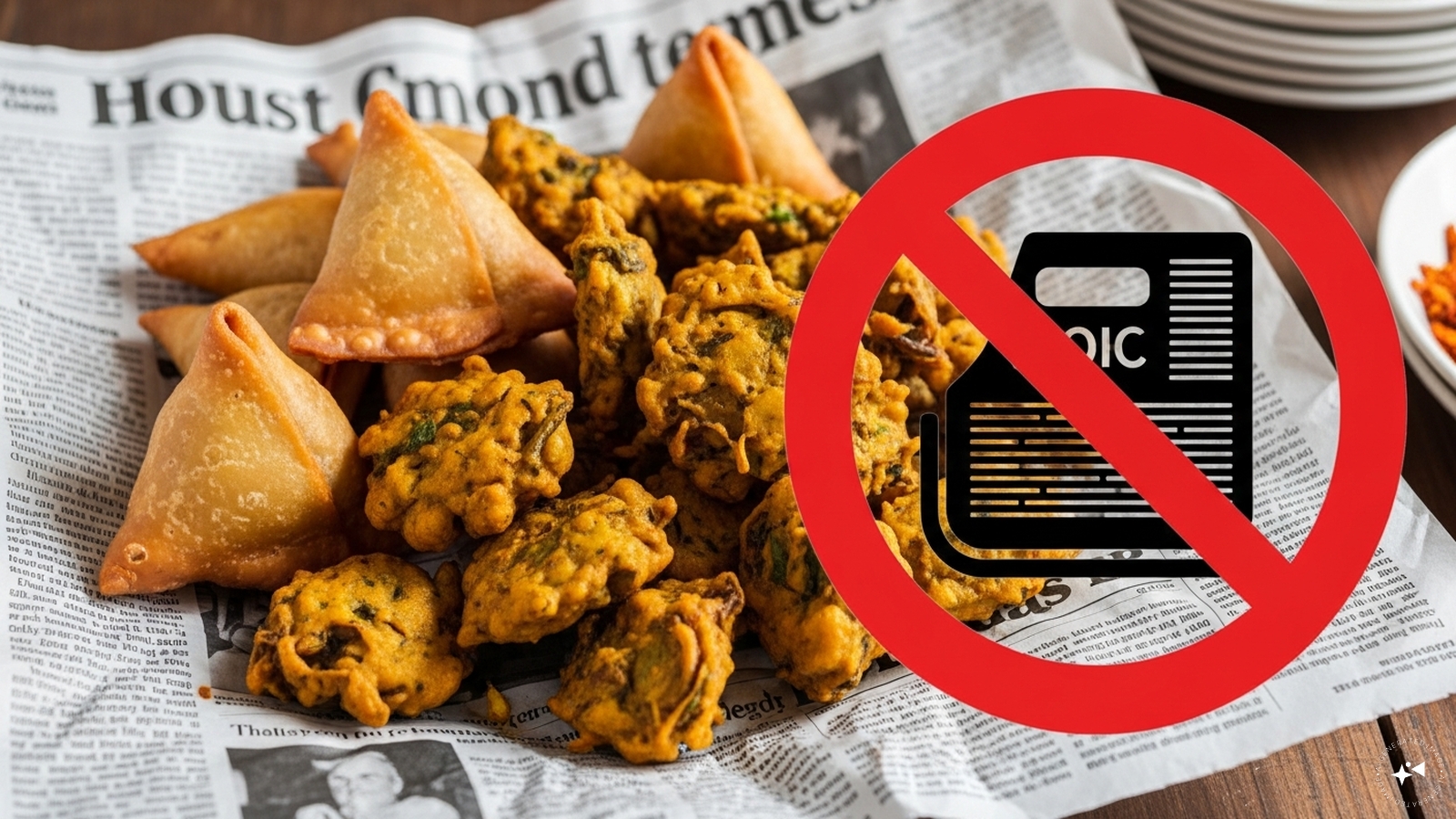
Food safety regulators have once again sounded the alarm about a practice that many in India still consider harmless: wrapping food in newspapers. The Food Safety and Standards Authority of India (FSSAI) has renewed its advisory, warning that this everyday habit carries hidden dangers. While newspapers may seem like a convenient and inexpensive way to serve snacks, experts explain that the ink used in printing contains toxic chemicals and heavy metals that can leach into foods, especially when they are hot or oily. Beyond chemical risks, newspapers also carry microbial contamination due to repeated handling and storage in unsanitary conditions. Together, these factors make newspaper packaging unsafe and potentially harmful to public health.
Chemicals in every bite
Serving or wrapping fried food in newspaper may seem like a harmless shortcut, but India's food regulator has made it clear that this practice is far from safe. The Food Safety and Standards Authority of India (FSSAI) has renewed its warning against newspaper packaging, reminding both suppliers and consumers that the ink used in printing is not food grade. It contains toxic chemicals and heavy metals such as lead, cadmium and chromium, which can leach directly into food when it comes into contact with hot or greasy surfaces.
Street food culture thrives on convenience, and newspapers have long been the go-to material for wrapping snacks like samosas, pakoras and parathas. But the same qualities that make these foods delicious—their heat, oil, and moisture—also make them vulnerable.
Fats act as solvents, dragging harmful substances from the paper into the food. Over time, repeated exposure to such pollutants can damage organs, disrupt hormones, and even increase the risk of cancer. What seems like a quick fix for packaging is actually a slow, silent health hazard.
Serving or wrapping fried food in newspaper may seem harmless, but it carries serious health risks. Newspaper printing ink contains toxic chemicals and heavy metals such as lead. When hot or greasy foods come into contact with the print, these toxins leach directly into the food. pic.twitter.com/XAsqdxGW9Y– FSSAI (@fssaiindia) June 6, 2026
Contamination beyond ink
The risks are not limited to chemicals. Newspapers are handled by countless people during printing, distribution and delivery, collecting dust, bacteria and fungi along the way. Sellers often store them in unsanitary conditions, meaning that the paper itself can become a carrier of microbial contamination. A microbiology expert explains that the combination of heat, oil and moisture creates the perfect environment for both chemical leaching and microbial growth, making newspaper packaging one of the most unsafe practices in food handling.
This microbial angle is often overlooked, but it is just as dangerous. Food wrapped in newspaper may look appetizing, but it could contain invisible pathogens that trigger foodborne illnesses. In a country where street food is a cultural staple, this warning is a reminder to prioritize hygiene and safety over taste.
A call for safer alternatives
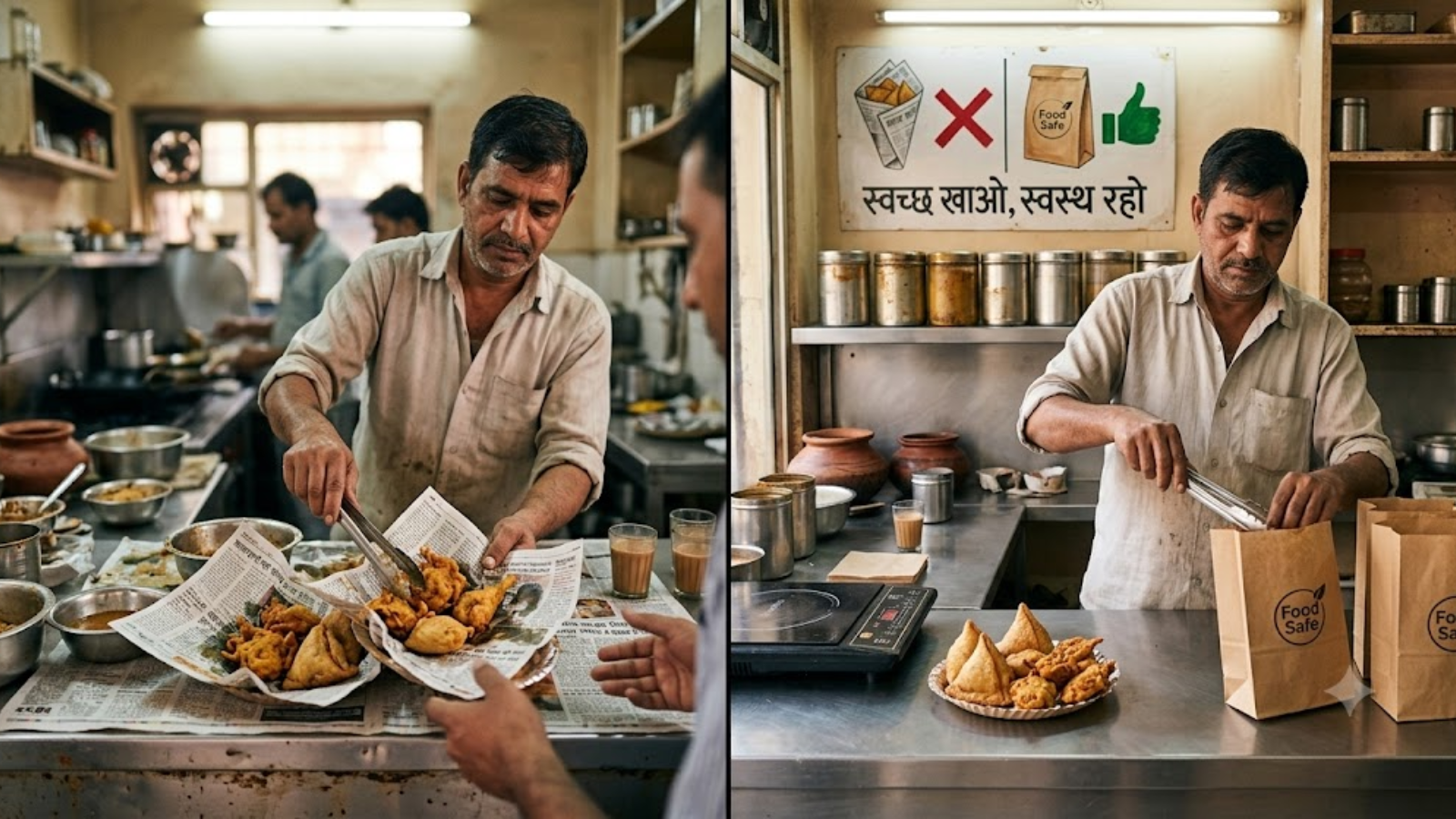
The FSSAI's renewed warning is not just a regulatory reminder but a call for cultural change. In a recent incident where a famous Vadapav vendor was observed using a newspaper to pack and serve food, the FSSAI, Western Region (WR) and Municipal Corporation of Greater Mumbai (MCGM) concluded a joint action. Considering the possibility of similar incidents occurring in the city and region, the FSSAI, WR urges food vendors to discontinue the use of newspapers for packaging and serving food or any other food-related materials. (From the Ministry of Health and Family Welfare)
For consumers, the bottom line is simple: Avoid foods wrapped in newspaper, no matter how tempting the snack seems. The ink that stains your fingers is more than just yesterday's headlines; It could be a cocktail of toxins entering your body. As Indian food culture continues to flourish, ensuring safe packaging is as important as the taste itself.
The next time you are handed a piping hot pakora on a sheet of newsprint, remember the FSSAI warning. What seems like a harmless tradition could be silently poisoning your food. Protecting your health starts with small decisions, and saying no to newspaper packaging is one of them.