As the current federal administration arrested increasing numbers of immigrants (U.S. Immigration and Customs Enforcement held more than 75,000 in mid-January alone), we heard scattered and localized complaints from detainees alleging medical negligence. We wondered what the extent of the problems were and whether the agency and its contractors were meeting the medical needs of detainees across the country. But there is no central repository, so we had to get creative and delve into a trove of court records.
Detainees are filing a record number of habeas corpus petitions in federal court, arguing they are being held illegally. Sometimes those cases mention medical conditions. But a federal rule makes immigration applications difficult to obtain because they are typically only available in person at the court where they were filed. The nation has 94 such courts.
However, a nonprofit organization that compiles such records through a national network of volunteers provided us with documents from thousands of those court cases dating back to last January. We teamed up with The Associated Press to dig deeper into them.
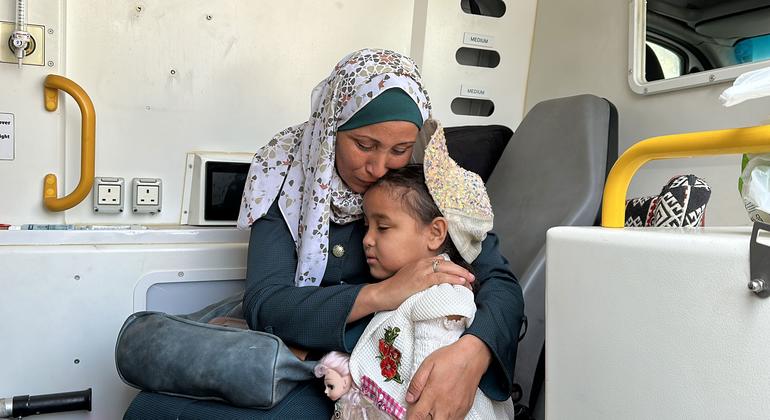
Analyzing those records, we found that hundreds of detainees in at least 33 states told courts they had received inadequate medical care. They said they didn't get their medications on time, or at all, for everything from diabetes to Parkinson's to HIV. They told the courts that their requests for medical help had gone unanswered for weeks, that their blood sugar levels rose, that infections worsened and that cancers went untreated. Some said they had collapsed and had seizures.
Court documents described how a man suffered a stroke while on a video call with his daughter and lost the ability to speak for several days. Records show he had not been receiving all of his medications while in custody. Another detainee described standing by the door every day waiting for the eye drops he needed to maintain his waning vision, while worrying about being able to watch his little one grow. Even after being released, a father of six American citizens told us that he feared he would not be able to support them due to persistent pain in his leg; the leg a doctor told him nearly needed amputation when an infection in ICE custody went untreated until he fainted and was hospitalized.
Such accusations spanned facilities of all types, from county jails to sites like “Alligator Alcatraz,” as the Department of Homeland Security gutted the office in charge of oversight.
KFF Health News and AP asked the agency to respond to our findings, but they had no comment. DHS Acting Medical Director Sean Conley previously said, “It is both a long-standing policy and practice that aliens receive timely and appropriate medical care from the moment they enter ICE custody.”
Families of those detained said they feel helpless as they watch their loved ones deteriorate while in custody and hope they do not add to the growing death toll, which has reached 51 since the start of President Donald Trump's second administration.
Detained immigrants have told courts across the country that detention officials have failed to treat or stabilize their conditions, from pregnancy to prostate cancer, suggesting that systemic failures in care extend far beyond record deaths in Immigration and Customs Enforcement custody.