Eli Lilly on Thursday said its next-generation drug passed a crucial late-stage trial in obese patients, achieving significant weight loss at all doses.
The results bring Lilly one step closer to applying for approval of the weekly injection, called retatrutide, which works differently than existing injections and pills from both Lilly and Novo Nordisk. It also appears to be more effective than those options.
The highest dose of retatrutide helped patients lose 28.3% of their weight (or 70.3 pounds) on average over 80 weeks, compared to 2.2% with placebo, when only patients who continued the drug were evaluated.
About 45% of the 2,500 patients in the Phase 3 trial achieved weight loss of 30% or more, Lilly said.
The higher dose also helped patients with a body mass index of 35 or higher who participated in an extension of the study lose 30.3% of their weight on average over 104 weeks. That BMI threshold puts people at higher risk for cardiovascular complications or diabetes.
While the drug appeared to show higher rates of certain gastrointestinal side effects, such as nausea and diarrhea, especially at the higher dose, they were generally consistent with a previous Phase 3 trial of retatrutide in patients with obesity and a type of knee arthritis pain. Some analysts previously said those side effects highlight the speed and strength of the drug's weight loss.
A lower dose of retatrutide that Lilly tested in the latest study was also associated with fewer discontinuations due to side effects.
Dan Skovronsky, Lilly's chief scientific and product officer, called the 30% weight loss an “incredible number to see” as it had previously only been associated with bariatric surgery.
“We've never seen that level of weight loss with these types of medications before,” Skovronsky told CNBC in an interview.
About 65% of people taking the highest dose of retatrutide also reached a BMI of less than 30, which is below the threshold for obesity, at 80 weeks.
Ahead of the results, some analysts said they expected to see greater weight loss than that seen with Lilly's blockbuster weight-loss drug Zepbound, which is about 20% to 22%.
The data are the third late-stage result to date on retatrutide, which was successful in a diabetes trial earlier this year and approved a smaller study in patients with obesity and a type of knee arthritis in December. Lilly is betting big on retatrutide as the next pillar of its obesity portfolio after its Zepbound shot and recently launched pill, Foundayo.
In a January note, TD Cowen analysts estimated that retatrutide could generate sales of $3.8 billion in 2030.
Retatrutide is also critical to the drugmaker's plan to maintain its majority market share over Novo in the burgeoning weight loss and diabetes drug market. Some analysts estimate the segment could be worth about $100 billion by the 2030s.
A new lower dose
Notably, Lilly also tested a lower 4-milligram dose that wasn't used in other trials and helped patients lose 19% of their weight, or 47.2 pounds, over 80 weeks.
Skovronsky said the weight loss seen with that lower dose is similar to that of Zepbound at high doses, but “with a really excellent tolerability profile” that exceeded Lilly's expectations. This refers to how well patients handle the medication, a key metric in trials of GLP-1-containing drugs, which often cause gastrointestinal side effects.
The number of patients on the 4 milligram dose who stopped treatment due to side effects was lower than the placebo group, which Skovronsky called “remarkable to see.” About 4% of patients who received that dose stopped the drug because of side effects, compared with almost 5% of those who received placebo.
That compares with a discontinuation rate of 11.3% among patients taking the highest dose.
Still, Skovronsky said, “I think we're making history here, both on the high end with the high dose and on the low end in what we can offer patients.”
“For some patients, a 30% weight loss may be more than they are looking for,” Skovronsky later added. “For other patients, that may be what they need to be healthy. So not everyone will go up to the highest dose level and stay on it for two years.”
Safety of retatrutide
Safety data for Lilly's drug was consistent with other GLP-1-containing medications, with the most common side effects being gastrointestinal.
About 42% of patients receiving the highest dose experienced nausea, while approximately 32% and 26.1% had diarrhea and constipation, respectively. More than 13% of patients who received that dose also experienced an upper respiratory tract infection, a contagious disease that affects the nose, sinuses and throat.
Meanwhile, more than 12% of patients receiving the highest dose also experienced dysesthesia, which is an unpleasant nervous sensation seen in previous trials of the drug.
Before the results, some analysts said they were looking at whether retatrutide would cause any heart problems, such as arrhythmia, irregular heartbeats. This is because the drug works by targeting three gut hormones, including one called glucagon, which increases energy expenditure.
But Lilly said she didn't see any heart or liver problems. The company noted a slightly higher rate of urinary tract infections in people taking the drug compared to the placebo, but most were mild and resolved while people remained on treatment, Skovronsky said. More than 8% of patients receiving the highest dose had a UTI.
He said it's not clear why more patients had urinary tract infections, but the side effect is also seen with bariatric surgery, so it may be a result of “the speed of weight loss” people experience.
Dubbed the “triple G” drug, retatrutide targets GLP-1, GIP and glucagon instead of just one or two like existing treatments. It appears to have more powerful effects on a person's appetite and satisfaction with food than other treatments.
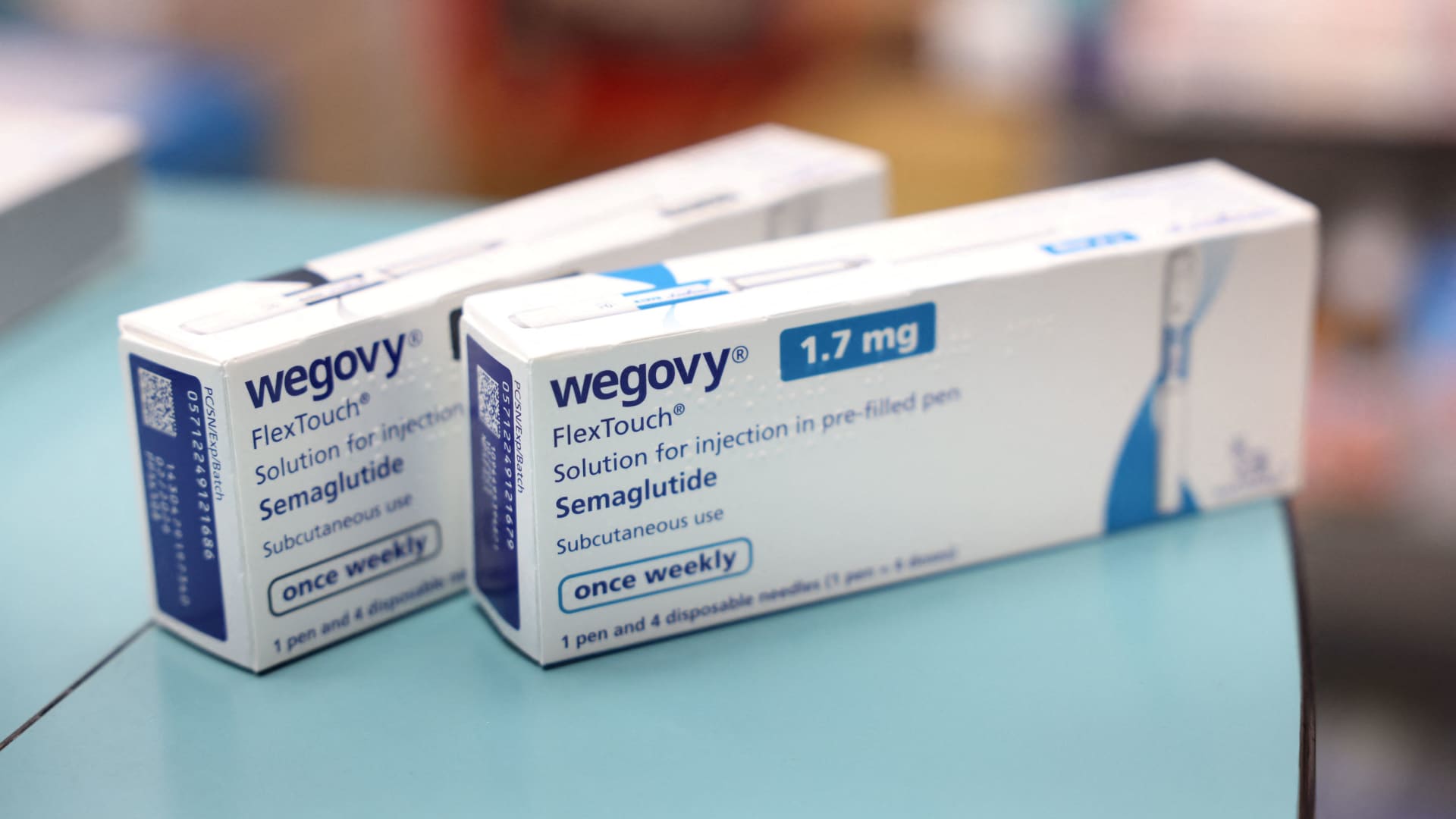
Tirzepatide, the active ingredient in Zepbound, mimics GLP-1 and GIP. Novo Nordisk's semaglutide, the active ingredient in Wegovy, uniquely mimics GLP-1.
Lilly had a 60.1% share of the U.S. obesity and diabetes drug market in the first quarter, according to an earnings presentation, while Novo's market share in the period was 39.4%.
As retatrutide approaches the market, Novo races to catch up with Lilly. In March 2025, Novo said it had agreed to pay up to $2 billion for the rights to an early experimental drug from Chinese pharmaceutical company United Laboratories International.
Novo's newly acquired drug is a clear potential competitor to retatrutide because it similarly uses a three-pronged approach to promote weight loss and regulate blood sugar. But the de Novo treatment is at a much earlier stage of development, meaning it will be several years before it reaches patients.