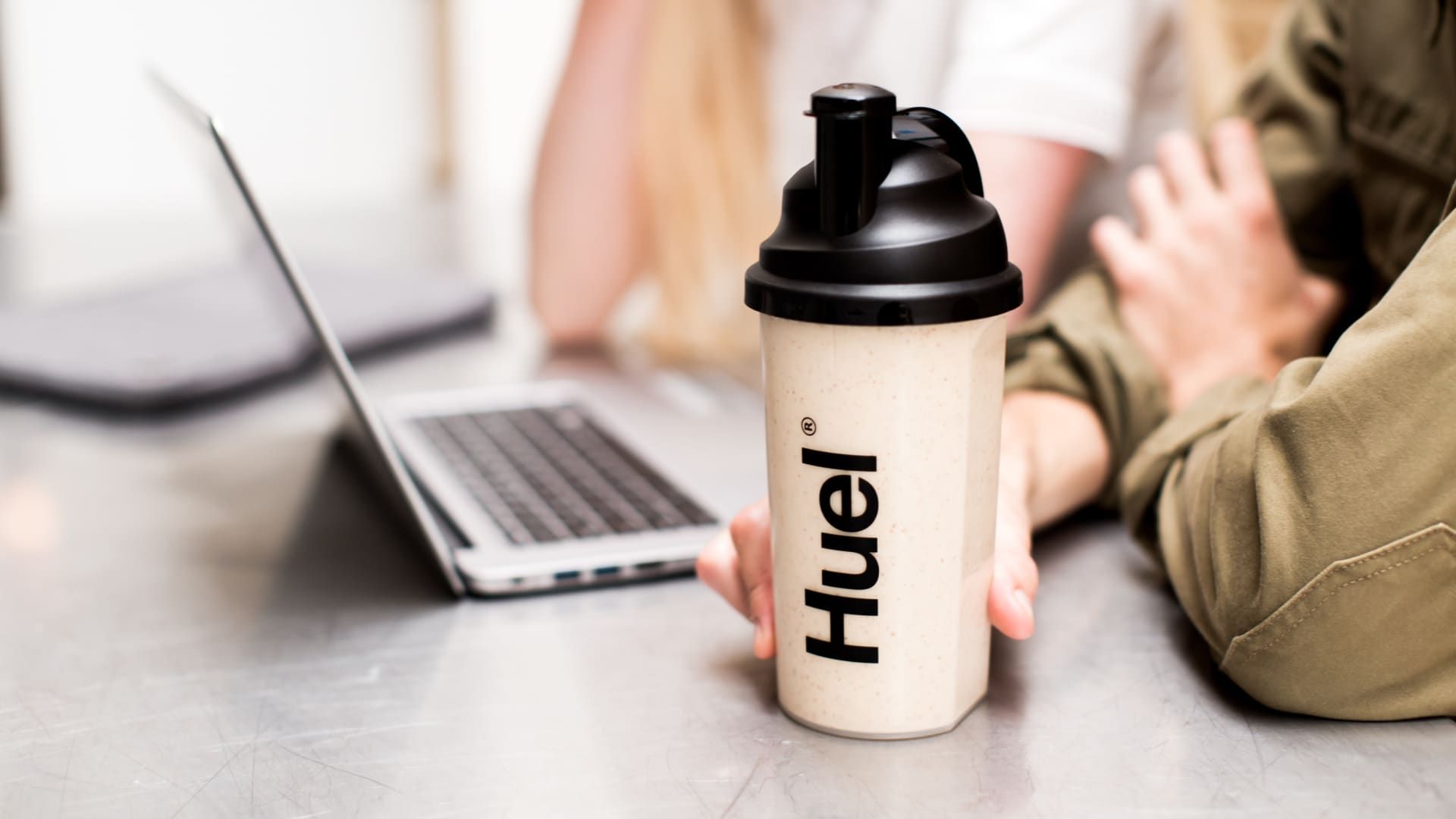
Huel makes powdered vegan meal replacements, aimed at people who “consider themselves time poor” but want healthy, environmentally sustainable meals.
Source: Huel
French food and beverage manufacturer. danone said on Monday it will buy protein drink maker Huel as a more health-conscious younger generation and the rise of weight-loss drugs pushes companies to rethink what people want to consume.
Huel sells a variety of nutrient-enriched protein shakes and drinks. It is endorsed by celebrities such as The Diary of a CEO podcast host Steven Bartlett and actor Idris Elba.
Combining Huel's range and digital capabilities with Danone's global reach and nutritional expertise is an opportunity in “the new and rapidly growing nutritionally complete space,” Danone CEO Antoine de Saint-Affrique said in a statement.
“Most people don't get enough protein, fiber or the right nutrients,” added Huel CEO James McMaster. “That's the problem Huel aims to solve.”
The deal, which is subject to regulatory approvals, is worth approximately €1 billion ($1.15 billion), the Financial Times reported, citing a person close to the company. Danone declined to comment on the value of the transaction.
Danone CEO De Saint-Affrique told CNBC's Charlotte Reed in 2024 that its portfolio, which includes yogurts and water, was “extremely complementary” to growing health awareness and use of GLP-1 medications. Danone also makes specialty nutrition and baby milk, with key brands including Activia yogurts, Alpro plant-based milk and Aptamil infant formula.
Food manufacturers are already starting to adapt to emerging trends by controlling portions, modifying recipes and offering more premium products, which will likely accelerate as adoption of GLP-1 increases, according to ING analysts.
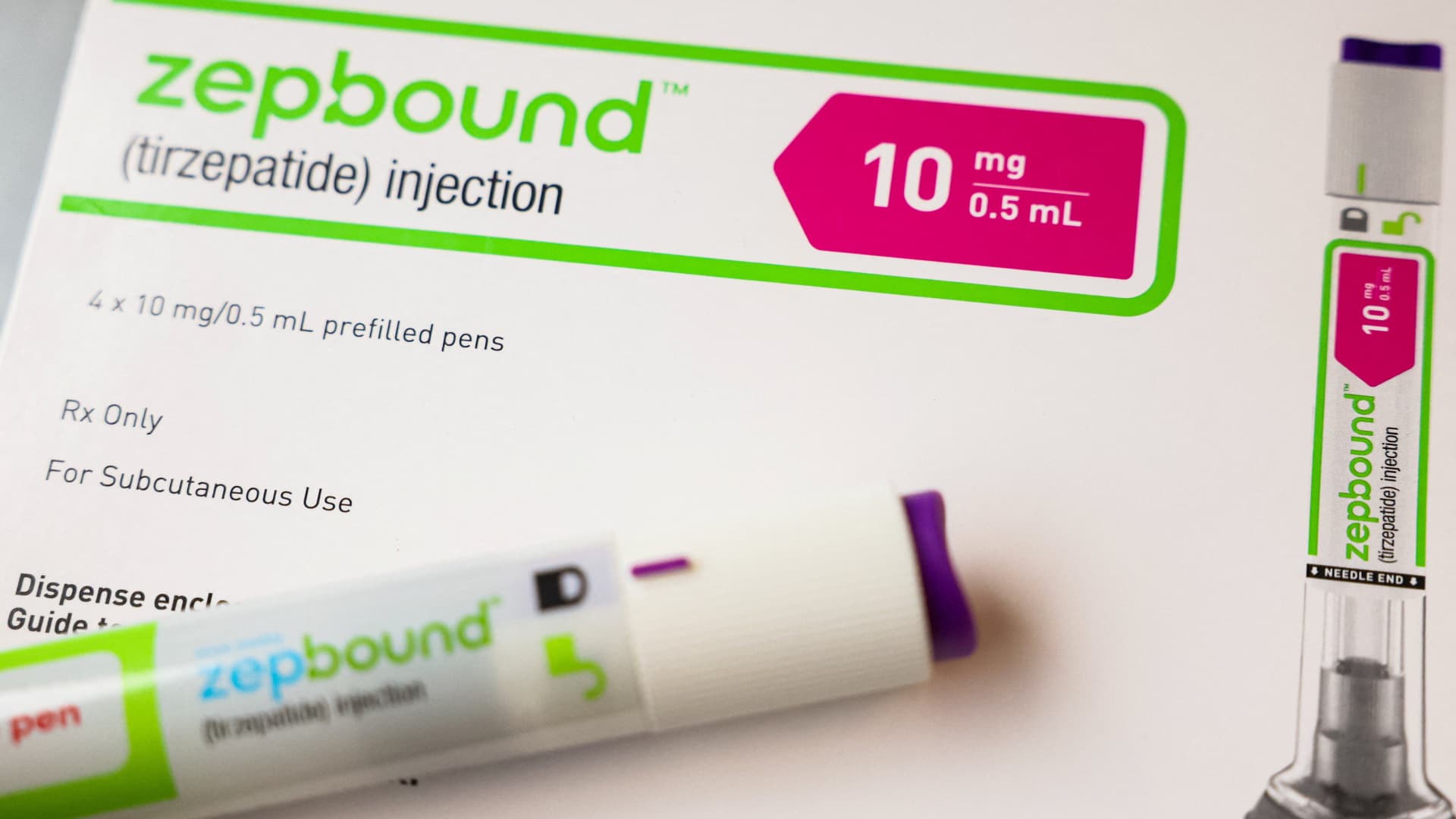
The impact of these drugs is still limited in Europe, where around 2% of the adult population currently uses them, ING said in a note to clients on Friday, “but that number will grow.”
“Food manufacturers face a gradual shift in demand, giving them time to respond by changing products and marketing and investing in markets with less LPG-1 use.”
Estimates vary on the size of the future global GLP-1 drugs market, with ING expecting the market to reach $100 billion by 2027.