In the early 2010s, the music industry was at a low point.
Piracy was rampant. Sales of compact discs were in constant decline. And then-new audio streaming services, like Spotify, were taking hits from creators for paying low royalties.
Today, Spotify has become the world's most popular audio streaming subscription service and the highest-paying retailer globally, paying the music industry more than $11 billion last year, up from $10 billion in 2024.
Nearly 14,000 artists earned $100,000 in royalties from Spotify alone last year, the Swedish company said in a post Wednesday, adding that independent artists and labels accounted for about half of all payments.
“A decade ago, a lot of the questions were really fair. Spotify had to be able to demonstrate whether it could scale as an economic engine. People didn't know if streaming would scale as a model,” Sam Duboff, Spotify's global head of music business marketing and policy, said in an interview.
Duboff said Spotify's payments are not “stabilizing; we're still growing that royalty pool at Spotify over 10% per year.”
He attributes the streaming platform's growth to “encouraging people” to “pay for music again” (the service costs $12.99 a month) by providing personalized experiences and global accessibility.
The company, founded in 2006, serves more than 751 million users, including 290 million subscribers, in 184 markets.
“The average Spotify premium subscriber listens to 200 artists every month, and almost half of those artists are discovered for the first time,” Duboff said. “When you create an experience where people can explore and fall in love with music, it inspires them to upgrade to premium and keep paying.”
The platform offers a wide variety of playlists, curated by editors like the up-and-coming Fresh Finds or the latest rap, RapCaviar. Personal playlists are also generated for users, such as the Discover Weekly summary and the daily mix of tunes called the “daily playlist.”
Spotify is considered the first step towards “a lasting career” for today's independent artists. Last year, more than a third of artists who earned $10,000 in royalties on the platform began by self-releasing their music through independent distributors.
“Streaming, fundamentally, is about opportunity and access. It's artists from all over the world releasing music the way they want and reaching a global audience from day one,” Duboff said. He adds that when fans have the choice, they will discover new musical genres and cultures that would have otherwise languished in obscurity.
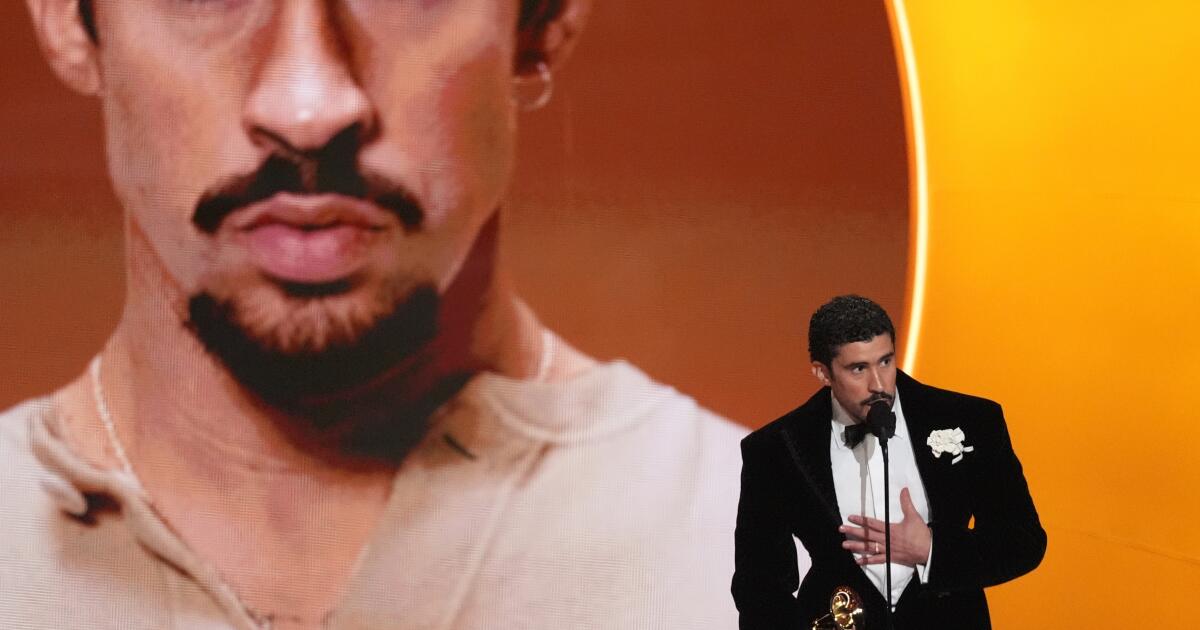
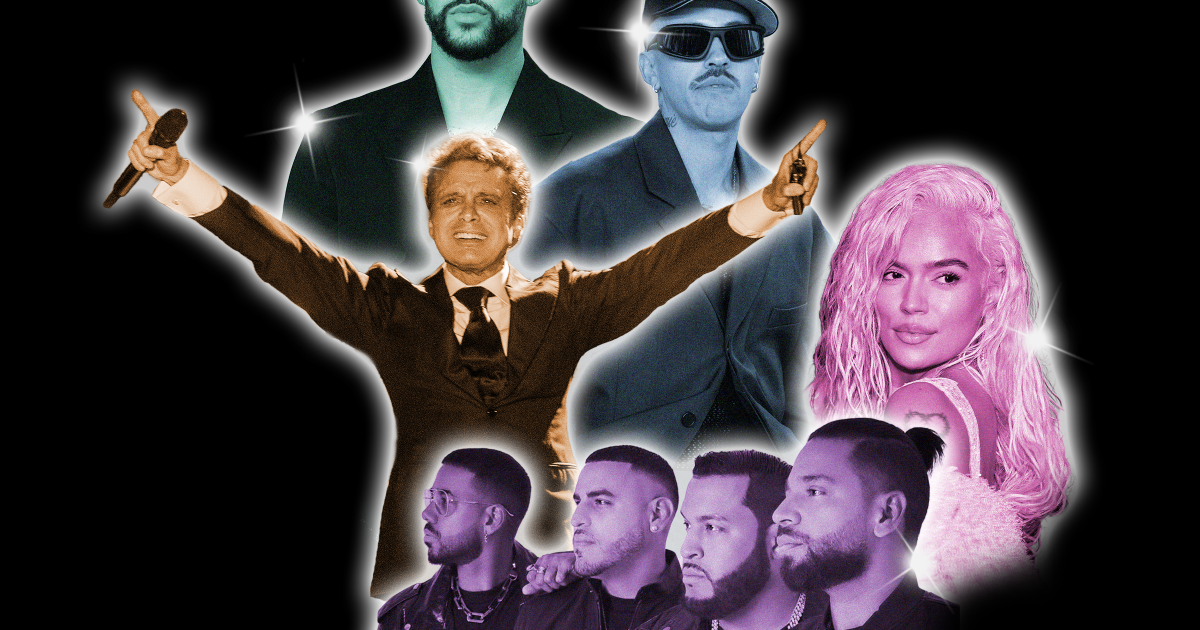
The company, with a large presence in the Los Angeles Arts District, emphasizes that the list of artists on its platform who make significantly more money (millions) is no longer limited to a few. A decade ago, Spotify's top artist earned around $10 million in royalties. Today, the platform's top 80 artists generate more than $10 million annually. Some of the best artists of 2025 worldwide were Bad Bunny, Taylor Swift and The Weeknd.
Spotify says those who aren't household names can earn six figures, and more than 1,500 artists earned $1 million last year.
Damon Krukowski, musician and legislative director of United Musicians & Allied Workers, maintains that Spotify money doesn't necessarily go to the artists, but to their labels.
Those without labels often upload music through distributors like DistroKid and CD Baby. These platforms charge a small fee or commission. For example, DistroKid's lowest tier subscription costs $24.99 a year and the site claims that users “keep 100% of all their earnings.”
“There are no direct payments to artists who record from Spotify,” says Krukowski. “Recording artists deserve direct payment from streaming platforms for the use of our work.”
The advocacy group, which has mobilized more than 70,000 musicians and music workers, recently helped draft the Living Wage for Musicians Act to address the streaming industry. The bill, introduced in the U.S. House of Representatives last fall, calls for a new streaming royalty that would directly pay artists a minimum of one cent per stream.
In the Q&A section of Spotify's Loud and Clear website, the streamer confirms that it “does not pay artists or songwriters directly. We pay rights holders selected by the artist or songwriter, whether a record label, publisher, independent distributor, performing rights organization or collecting company.”
Instead of following a penny-per-stream model, Spotify pays based on the artist's share of total streams, called “streamshare.”