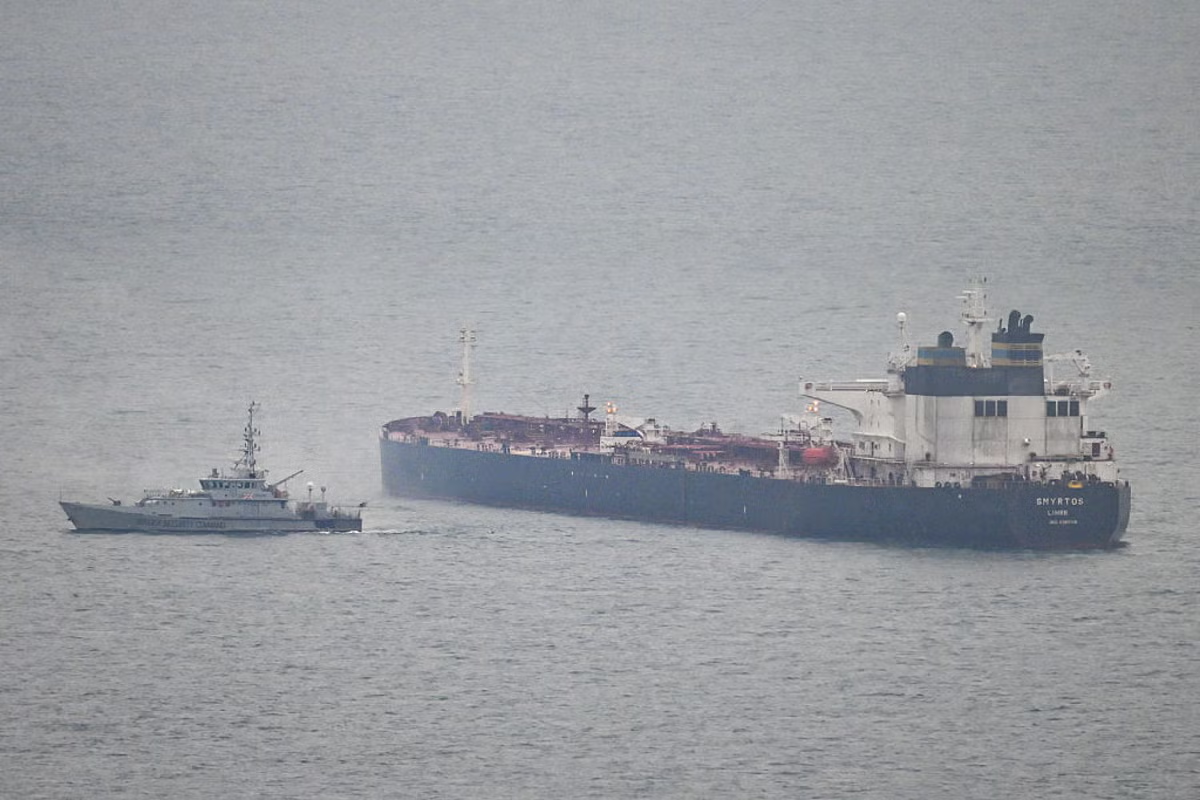
Shipping will take “weeks” to resume through the Strait of Hormuz as shipowners wait for signs that the US-Iran deal is “material”, the head of the world's largest oil company has said.
Jotaro Tamura, CEO of Mitsui OSK, said many vessels would wait to restart shipping even though Donald Trump declared the waterway had already been partially reopened.
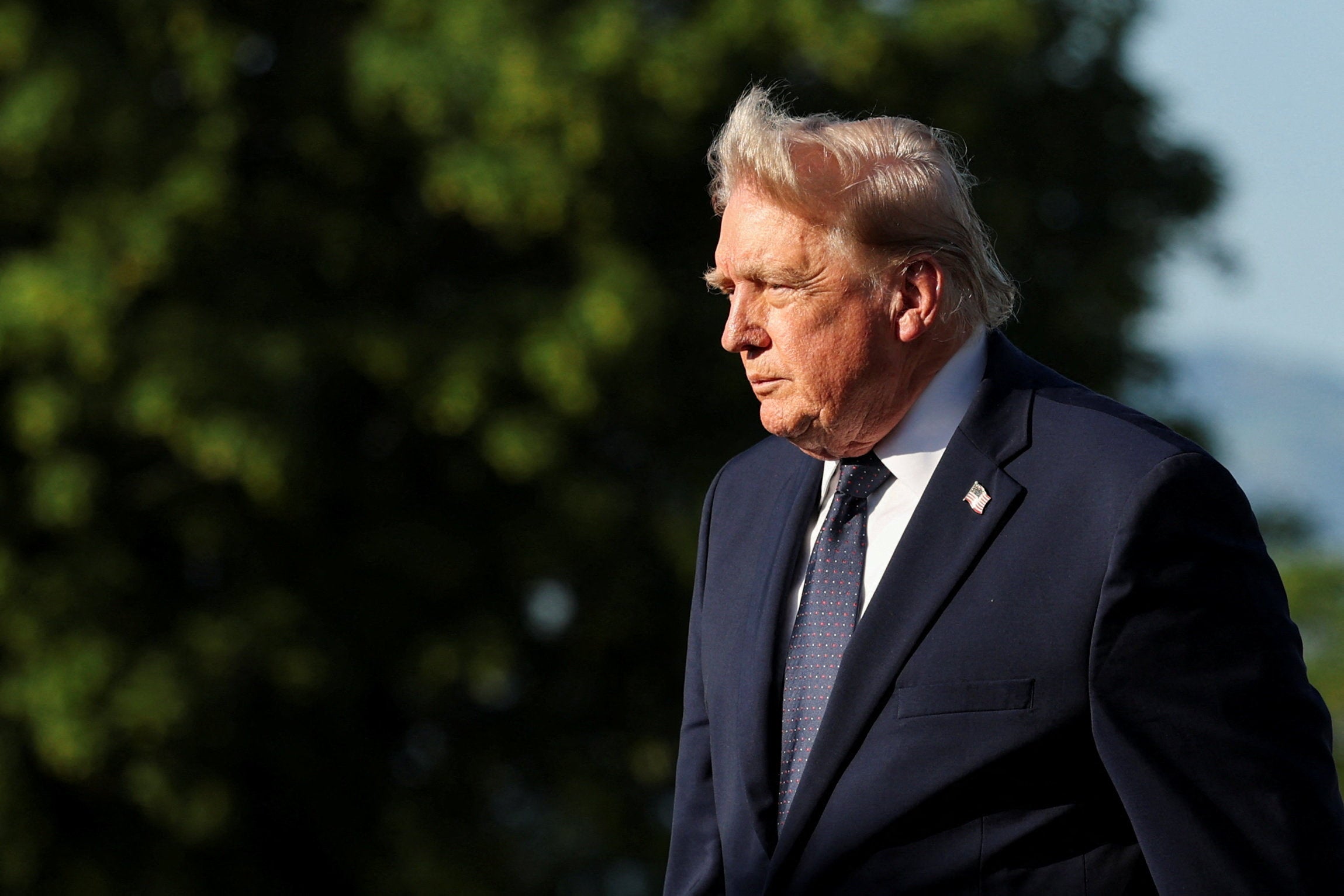
The US president said the vital oil route would be “completely open” on Friday, after Washington and Tehran announced a deal to end the war in the Middle East.
In a Truth Social post, he said ships laden with oil are beginning to leave the strait, “along the Southern 'Highway,' which is totally safe and pristine.”
However, Tamura suggested that in practice the resumption of shipping would take much longer.
“What will have to be implemented is not just a simple agreement between the relevant countries, but it has to be material and translate to real situations in the Strait of Hormuz, so that shipping lines can feel comfortable passing through it,” he told the Financial Times.
“Given the experiences of the last few months, I think it is reasonable to assume that it may take at least a couple of weeks, if not a month.”
Analysts agreed that it will be several weeks before oil tanker movements increase.
Morgan Stanley analysts told clients: “As of now, it will likely take several weeks to restore tanker flow.”
The tentative agreement to end the war in Iran and reopen the Strait of Hormuz would be good news for the global economy.
But even as the price of oil fell on Monday, many questions remained about when and how it would begin to flow again through the world's most vital artery for energy shipments.
Before the war, a fifth of the world's crude oil circulated through the strait. Now, it will take time for hundreds of ships trapped in the Persian Gulf to exit through the strait.
And Gulf oil producers who cut production will need time to get oil circulating again. Analysts also say ship captains can take their time deciding whether passage is safe and that the threat of an attack from Iran has actually diminished.
“Operationally, the sector is not going backwards,” wrote Richard Meade, editor-in-chief of maritime data and analytics firm Lloyd's List, noting that many warn that demining and returning to the use of internationally recognized shipping lanes “are prerequisites for safe shipping.”
Ships have been departing through an Iranian-administered survey route in the north of the strait, while others have departed with lights and tracking systems turned off under the guidance of U.S. forces in a southern passage along the coast of Oman.
Iran had threatened to attack ships using internationally established transit routes in the middle of the Strait that keep ships entering and leaving out of each other's way.
About 500 commercial ships remain in the Persian Gulf, according to maritime and energy intelligence firm Kpler, and not all of them can leave through the strait at once.
Iran has demanded the right to collect money from ships using the strait and, in some cases, has already demanded payments to allow ships to depart. Trump said on his social media platform Truth Social that the deal involved a “free opening,” but there has been no confirmation from Iran.