From Lviv in the west to Mariupol in the south, no Ukrainian I spoke to in the weeks leading up to February 24, 2022 predicted what was to come.
More than 150,000 Russian troops were stationed along the border with Ukraine, but most people dismissed the rally as political theater.
Recommended stories
list of 3 itemsend of list
Some thought Moscow might advance further into areas seized by Russian-backed separatists in 2014 and 2015. Many believed nothing would happen.
Then, overnight, the country woke up to a different world.
Air raid sirens became part of daily life. Martial law was imposed. Traffic signs were torn down so that the invading troops would get lost.
Civilians lined up to learn how to shoot. Women and children headed west on overcrowded trains and buses, crossing into Europe with everything they could carry.
That first year was also defined by a surge of patriotism.
Ukrainian President Volodymyr Zelenskyy, once ridiculed by his critics at home, has become the embodiment of national resistance.
War songs played on the radios and donations went to military funds.
Ukrainian forces stopped Russia's attempt to seize the capital kyiv before launching a counteroffensive that surprised even its allies.
It was then that Russia began to change tactics.
I still remember having breakfast in a hotel when I felt it: a dull, persistent noise that vibrated through the room when a ballistic missile hit a street in Dnipro, central Ukraine, in October 2022.
It is a noise so unnatural that it floods the body with adrenaline. Cutlery clinked and tables shook. I looked up instinctively. The locals looked around briefly and then returned to their meals; By then, they were already learning to live with the war.
These strikes marked a new phase. Russia had begun systematically attacking energy infrastructure – power plants, grids, heating systems – plunging cities into darkness as winter set in.
Blackouts became routine. Generators appeared in patios and stairwells while people still went to work, wrapped in coats, determined to keep going.

By 2023, the cost of war was increasingly difficult to ignore.
In kyiv, Russian troops had long since been driven back, and although airstrikes continued, life returned to wartime normality.
The initial euphoria on the battlefield also faded as the fighting turned into trench warfare, eerily reminiscent of World War I, but now overshadowed by drones in the sky.
When I returned in January 2026, the fatigue was unmistakable.
A deep freeze had left millions of people without electricity, heat or water. Russia had taken advantage of the cold wave to intensify its attacks on infrastructure.
The attacks were worst at night, when bursts of air defenses and missiles could fill the sky along with a familiar screech: engines propelling so-called Kamikazee drones toward various targets around the capital.
At the same time, a major corruption scandal involving senior figures linked to the presidency had shaken public confidence – bitter news in a country where people were already struggling to keep warm.
That the scandal centered on the energy sector only deepened the anger.
They all seemed to speak the language of war fluently.
From the old woman running a flower stand to the schoolchildren waiting for the bus, everyone could identify incoming threats from Telegram alerts (what kind of drones, missiles, flight paths) almost by instinct.
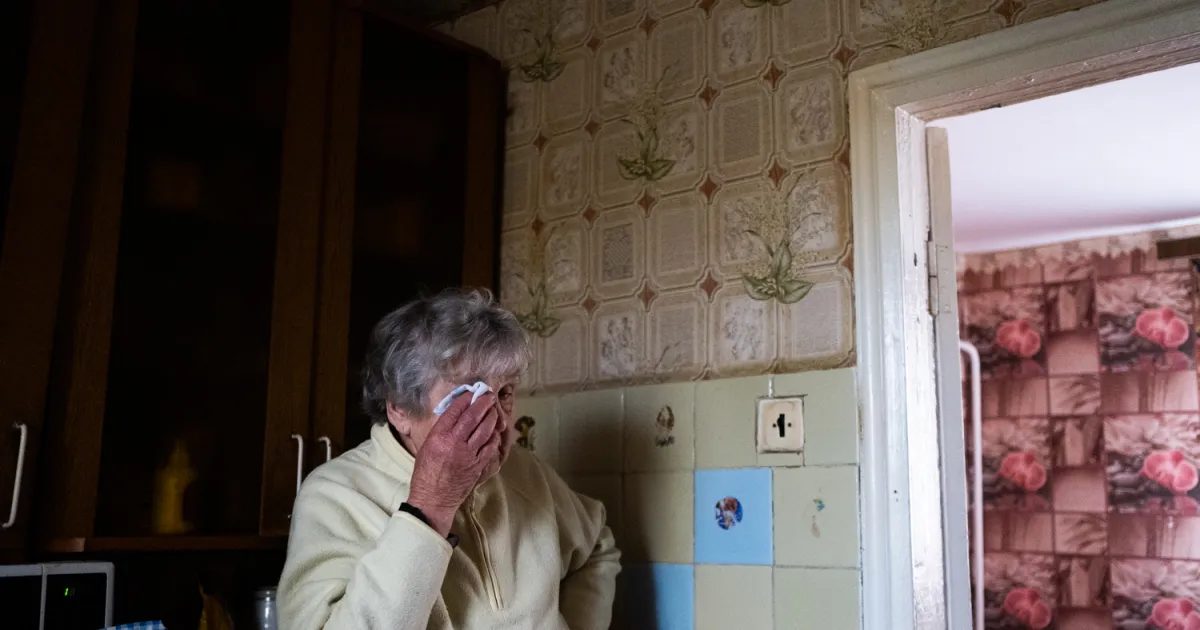
After four years, people no longer get out of bed when the sirens sound. The alerts are too frequent. Many arrive in the early hours of the morning and it is not always practical to take shelter. People simply don't have the energy.

Ukraine is in mourning. The United Nations Human Rights Monitoring Mission in Ukraine confirmed that conflict-related violence killed 2,514 civilians and injured 12,142 in the country alone in 2025.
Peace talks may be underway, welcomed abroad with cautious optimism, but on the streets they barely register.
“I take each day as it comes,” was a standard response when I asked him about a possible ceasefire.
Cold, jaded and exhausted, the people are determined not to have too much hope, because hope, in this war, has become just another thing that can be taken away from them.