- Demand from AI data centers is reducing memory supply for consumer devices
- Sales of refurbished PCs increased by 7% in major European markets
- 40% of refurbished laptops are sold between 200 and 300 euros, a much cheaper option for consumers.
Anyone buying a new PC in 2026 will likely face higher prices and tighter supply conditions than in recent years due to chip shortages, experts have warned.
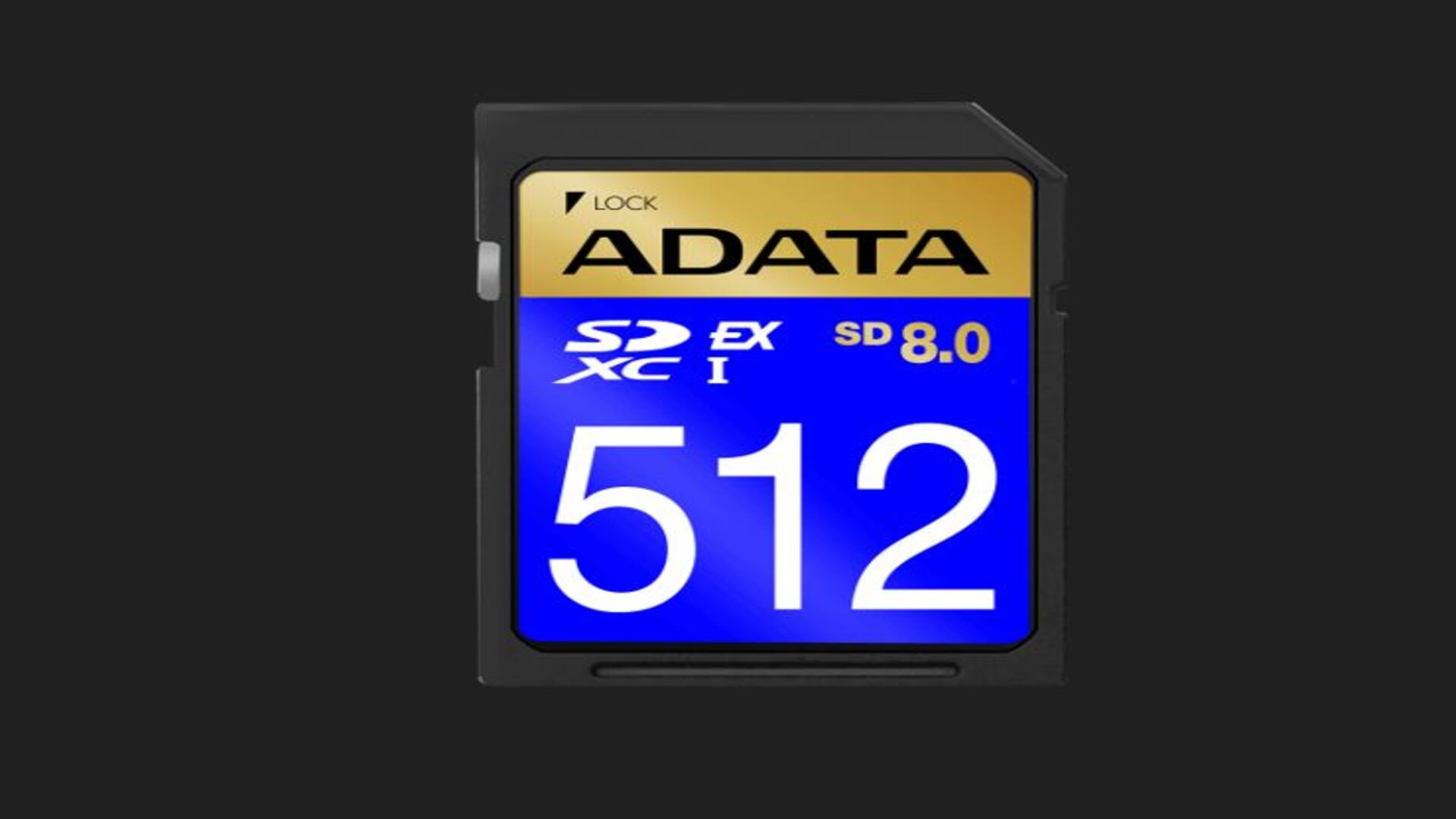
Memory makers are allocating more production capacity to high-margin components intended for AI data centers rather than modules typically used in conventional PCs and smartphones.
That shift is contributing to sustained price pressure across all consumer hardware categories, with little evidence that relief is imminent.
Memory limitations reshape the PC market
Sales forecasts for new devices remain mixed, reflecting caution among buyers facing rising costs, since when component supply is structurally limited, suppliers have limited flexibility to absorb price increases.
As a result, retail prices for laptops and desktops are trending upward, particularly for models that require larger memory configurations.
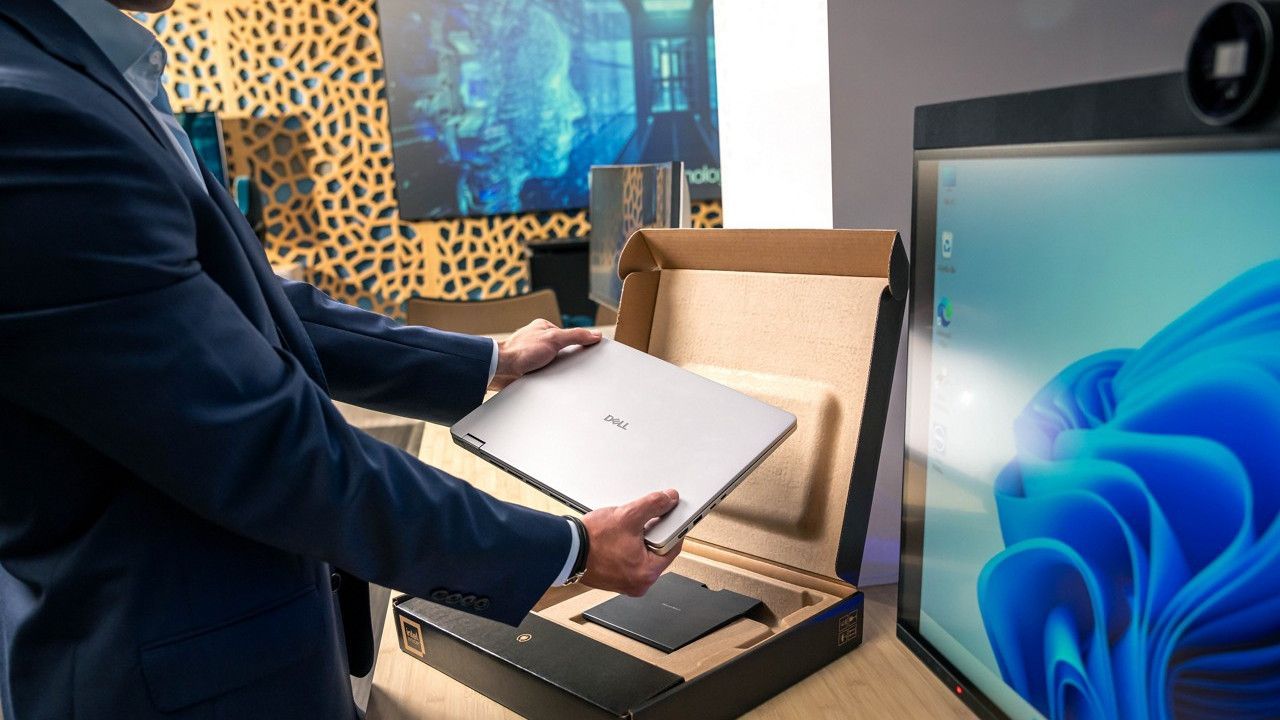
For buyers looking for a reliable business laptop, the cost difference between new and used systems is increasingly difficult to ignore.
In this context, refurbished PCs are gaining ground across Europe and affordability is becoming central to purchasing decisions.
Data from market analyst Context shows that sales of refurbished systems through distribution channels increased by 7% in the fourth quarter in Italy, the United Kingdom, Germany, Spain and France.
The UK recorded particularly strong growth in 2025, with volumes effectively doubling and overtaking Germany as the region's largest market.
Price sensitivity appears to be the main driver of demand, as 40% of refurbished laptops are in the 200 to 300 euro price range.
At the same time, the 300 to 400 euro segment expanded from 15% to 23% of the refurbished market in a year, meaning some buyers are willing to spend more to upgrade specifications.
Another dimension that favors the growth of second-hand laptops are environmental considerations.
A 2024 United Nations report warned that global e-waste is generated almost five times faster than it is formally recycled: the annual average e-waste per person is 11.2kg, underscoring the magnitude of the challenge.
Upcoming laws, such as the EU Right to Repair, seek to make electronic devices repairable even after passing from one user to another.
These laws aim to improve access to parts and repair services, making it easier and more affordable for consumers and businesses to repair devices.
The wisdom of purchasing secondhand depends on your tolerance for older hardware and potential limitations on warranty coverage.
However, as long as memory supply remains limited and prices for new devices continue to rise, cost-conscious buyers will likely continue to seriously consider refurbished systems.
Through The Registry
Follow TechRadar on Google News and add us as a preferred source to receive news, reviews and opinions from our experts in your feeds. Be sure to click the Follow button!
And of course you can also follow TechRadar on TikTok for news, reviews, unboxings in video form and receive regular updates from us on WhatsApp also.