With Hollywood's rapid technological takeover, traditional movie studios now face an existential crisis. Paramount was absorbed by Skydance during an $8 billion merger that lasted months and ended in August. Warner Bros. is next, but this time the stakes are high.
With Netflix winning the bidding war for Warner Bros. Discovery (agreeing to pay more than $82 billion for its storied film and television catalog, Burbank studios and HBO's distribution pipeline, among other assets), the discussion has largely focused on regulatory hurdles, stock prices, debt structure, layoffs and release strategies. The Directors Guild of America has already announced its intentions to meet with Netflix about the acquisition and what it means for theatrical distribution, while the Writers Guild of America has called for the merger to be “blocked” and Paramount has launched accusations of foul play in the middle of the bidding process.
What's missing from the discussion, however, is the cultural value of the studio's history of developing challenging, era-defining films, constantly driving innovation in filmmaking and distribution processes, and creating spaces for artists to explore their creativity.
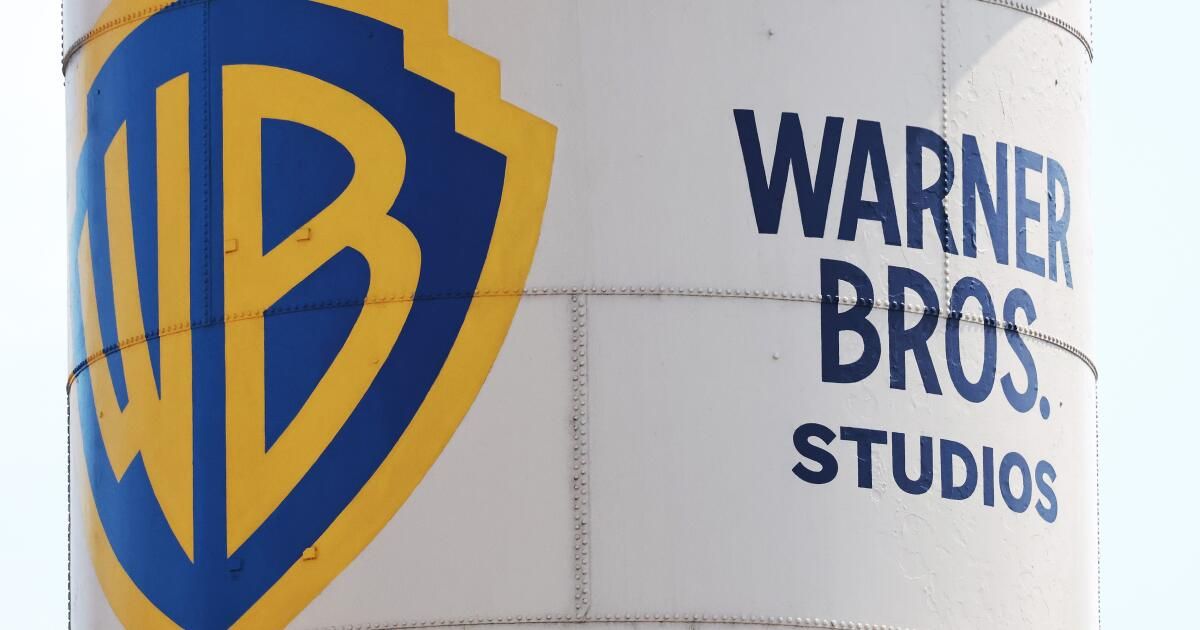
For many, the Warner Bros. shield is more than a logo; has stood for decades as a symbol of courage throughout the industry. The studio was founded in 1923 by four Jewish immigrants (brothers Harry, Jack, Sam and Albert) who believed that movies could do much more than print money and entertain audiences. The studio leveraged its assets and reputation to bring synchronized sound to film in the late 1920s and developed major stars, from James Cagney and Humphrey Bogart to Ingrid Bergman and Bette Davis.
Being on the lot “was magical,” Karen Sperling, Harry Warner's granddaughter, told me after a recent visit to the studio. “I realized that those streets, buildings, sets, props and costumes contained story after story that belongs to all of us. The lot itself is worth the narratives that created cinematic memories in each of our lives, the classic moments that have entertained us, educated us and illuminated our own personal stories… certainly mine.”
Setting themselves apart from their peers, the brothers took social and political risks in hopes of enlightening viewers, from condemning the American justice system in 1932's “I Am a Fugitive from a Chain Gang” to warning of the encroachment of xenophobia in 1937's “Black Legion” to mobilizing domestic audiences with the 1942 World War II classic “Casablanca.”
Groucho Marx once called Warner Bros. “the only studio with guts.” Under the leadership of Harry, the eldest brother, Warner became the first studio to withdraw its films from Germany and attack the Nazi regime in its productions, something that was a huge risk while the United States was still searching for a way out of the Great Depression. Harry regularly campaigned for films, framing them as a public good with power beyond that of any individual.
“The Warner brothers felt a responsibility towards history and did not hesitate to take up the fight,” Oscar-winning director Steven Spielberg he said during a recent industry dinner.
Warner Bros.'s modern impact arguably began when Michael Uslan landed his 1989 “Batman” project at the studio after everyone else had passed away, launching the now-ubiquitous superhero genre while taking a chance on Michael Keaton, then known primarily for his comedic roles. Throughout the 1990s, Warner Bros. created opportunities for directors to explore challenging themes with films like Spike Lee's “Malcolm Then, Warner Bros. effectively changed the trajectory of cinema with the red pill that ended the Wachowskis' century, “The Matrix.”
The studio has seemingly perfected a mix of crowd-pleasing popcorn movies with riskier movies in the 21st century, sometimes within the same production. It has launched popular franchises with the Harry Potter films, Hangover and Dark Knight, greenlit arthouse works like David Fincher's “Zodiac” and unleashed director Greta Gerwig's multimillion-dollar hit, “Barbie.”
This year was arguably one of Warner's best, as it became the first studio with seven consecutive films that grossed more than $40 million in weekends, including “A Minecraft Movie,” “Superman” and “F1.” Horror hits “Sinners” and “Weapons” were two of the most talked about movies of the summer. Director Bong Joon Ho’s “Mickey 17” showcased Warner’s continued support for international filmmakers. And Paul Thomas Anderson's racially charged “One Battle After Another” continues to make headlines as this year's favorite for Best Picture.
Today, that philosophy of bravely defending a cultural institution feels endangered, if not extinct. Too often, media conglomerates treat legacy studios as intellectual property libraries to extract “content.” Even Warner Bros. recently celebrated “The Wizard of Oz” during its 100th anniversary despite its origins as an MGM film acquired during a 1986 merger. More recently, Disney+ has celebrated “Home Alone” among its holiday classics despite it being exploited as intellectual property after Disney paid $71 billion for Fox in 2017. Corporate consolidations have led, at worst, to the destruction of entire lots (see also: MGM), as well as layoffs and the loss of memory of the studio's creations.
For more than a century, Warner films chronicled how America saw itself, including optimism, disillusionment, struggles for justice, and struggles for identity. Netflix may soon own Warner Bros. and its Burbank lot, but how it will proceed is up in the air. Will Warner Bros. evolve into a 21st century technology company or will Netflix use the acquisition to consolidate itself by adding a legacy studio? There is arguably no better option to round out one's historical credibility.
If Netflix's purchase of Warner Bros. Discovery is successful, the next generation of executives will have a responsibility beyond shareholders. They have a duty to protect the studio's legacy of bravery, innovation and creativity. It is essential to continue investing in film preservation. Keeping the door open to access classic cinema through TCM and its hub on HBO Max is also a key component to celebrating the studio's heritage.
Warner Bros. can once again be a symbol of how great movies can speak truth to power, even when the risks are countless. The brothers took risks to invest in strong timing and pursue relevant narratives that were “ripped from the headlines,” used their own personal resources for philanthropic purposes, and served as examples of respectable civic leadership.
Preserving that spirit is not only good for business, it is essential to America's cultural legacy. Warner Bros. may soon be owned by Netflix, but its soul must be preserved.
Chris Yogerst is the author of “The Warner Brothers” (2023) and a regular contributor to The Hollywood Reporter.