Two months after the anniversary of the devastating Southern California firestorms, several lawmakers at the state Capitol unveiled a package of bills aimed at preventing wildfires and reducing their damage.
“California has reached a tipping point,” Assemblyman Steve Bennett (D-Ventura) said during a press conference Wednesday. “In the last nine years, we've had the eight largest fires in California history; we shouldn't have this problem.”
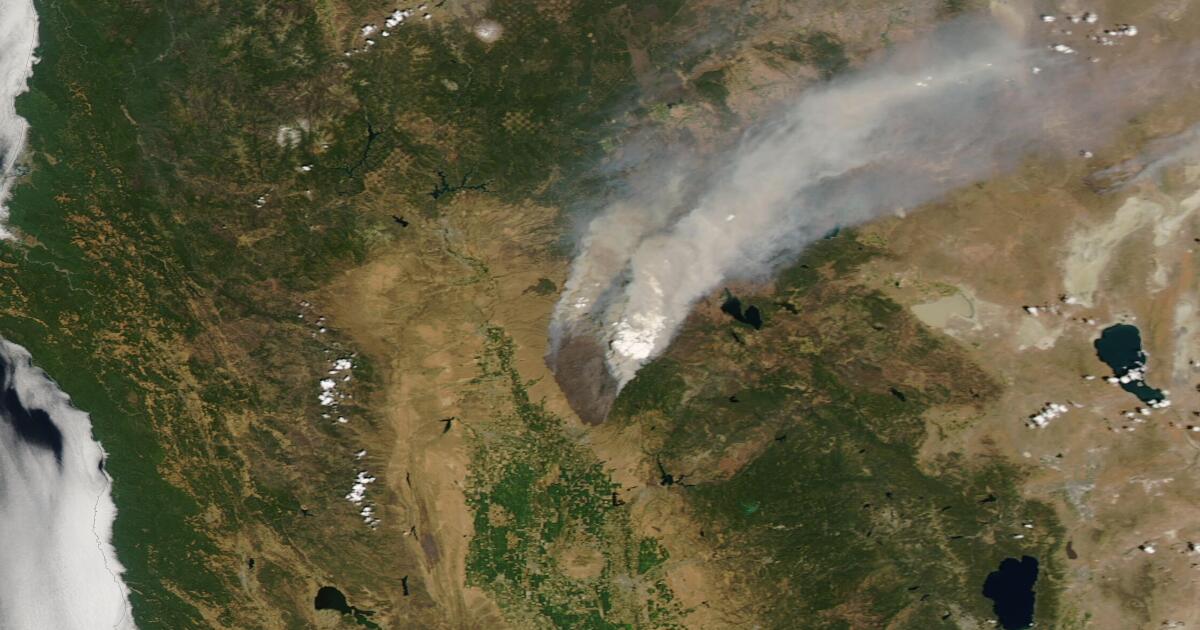
Two of the most destructive wildfires ever recorded in California broke out on the same day last January. The fires devastated Pacific Palisades and Altadena, destroying homes and businesses, displacing residents and killing 31 people. The Palisades and Eaton fires caused an estimated economic loss of $250 billion.
Among the dozen bills announced Wednesday are:
- Assembly Bill 1934, passed by Bennett, would require the state fire marshal's Wildfire Mitigation Advisory Committee to develop a home protection certification program. (Home hardening involves using ignition-resistant materials to make homes less vulnerable to embers or flames.)
- Senate Bill 1079, by Senator Henry Stern (D-Los Angeles), would create a Fire Innovation Unit within the California Department of Forestry and Fire Protection. The unit would serve as a center for research and deployment of wildfire technology.
- House Bill 1699, by Assemblyman Chris Rogers (D-Santa Rosa), would indefinitely extend the Prescribed Fire Liability Program and expand eligibility for the program.
- Assembly Bill 1891, by Assemblyman Damon Connolly (D-San Rafael), would create the Beneficial Fire Capability Program to expand training and support for community-led beneficial fire programs, including those developed by universities, volunteer fire districts, and California Native American tribes.
- Senate Bill 894, by Senator Benjamin Allen (D-Santa Monica), would declare the Legislature's intent to create the California Wildfire Resiliency Program, which would increase access to home hardening retrofits.
Allen, who represents Palisades, said the wildfires are disrupting neighborhoods.
“Modern fires are now spreading from wildlands to urban communities,” he said. “The reality that so many people in my district have experienced over the past year has been immensely challenging. Tens of thousands of families remain displaced from their homes.”
State Senator Benjamin Allen (D-Santa Monica) hosts a discussion with local leaders and residents to commemorate 100 days since the start of the Los Angeles County wildfires at Will Rogers State Beach on April 17, 2025, in Los Angeles.
(Carlin Stiehl/Los Angeles Times)
Many survivors of the fire have expressed anger at government action that they believe allowed the disaster and hindered recovery efforts. When asked if the Legislature planned to scrutinize the response, Allen said he would support a robust investigation.
“I think the public expects the state to really be looking into this,” he said. “But I know there are always 10 million different priorities out there; one of my jobs as someone who represents these people is to make sure they're still on the radar screen.”
Bennett said Californians had a right to expect oversight and transparency, but they should not “expect perfection” during emergencies.
“I think we're better in California if we develop a culture where everyone says, 'Do your best,'” he said. “I think we would be better off.”
Survivors in Altadena and Pacific Palisades recently marked the anniversary of the disaster with solemn memorial services.
“This year has been the most difficult of our lives,” Joy Chen, executive director of the Eaton Fire Survivors Network, said during a service in Altadena. “Unimaginable pain. The 31 people who died that day and the hundreds who have died prematurely since. Homes were lost, jobs were lost, income was lost. A sense of security and identity was lost.”