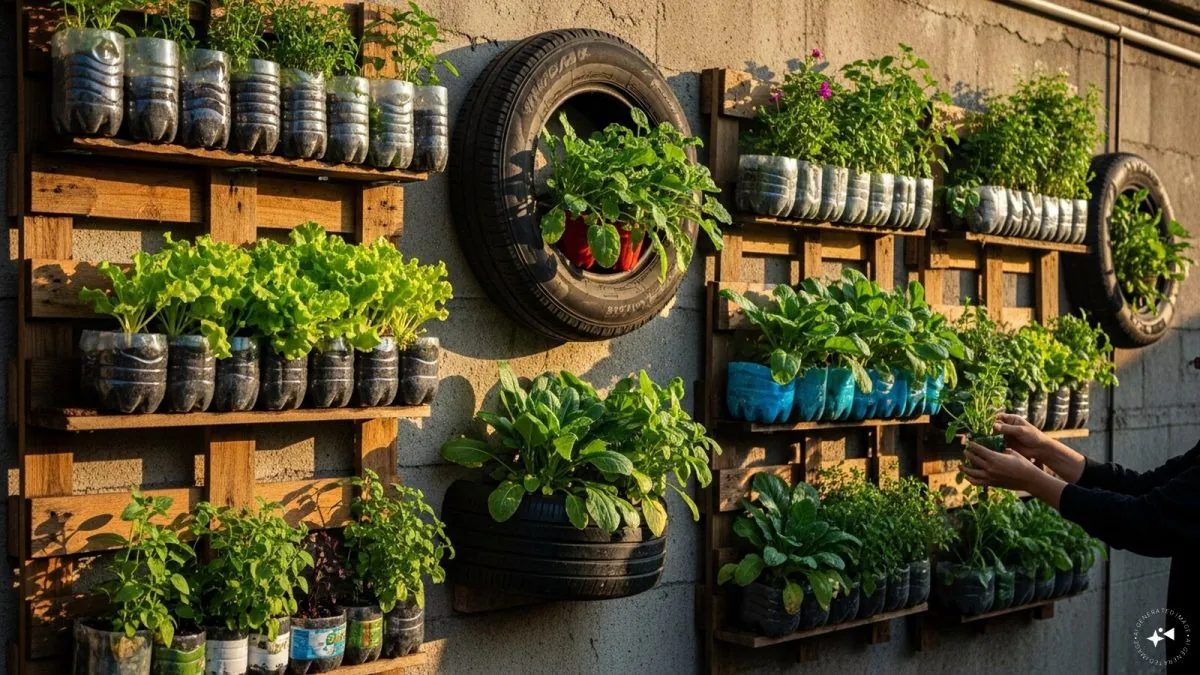
Urban living often limits space for greenery, but vertical gardens offer a creative solution. By growing plants upward instead of outward, limited areas such as balconies, walls or patios are maximized. Even better, you can build one using scrap materials, turning discarded items into eco-friendly planters and beautifying your home. (Image: generated by AI)
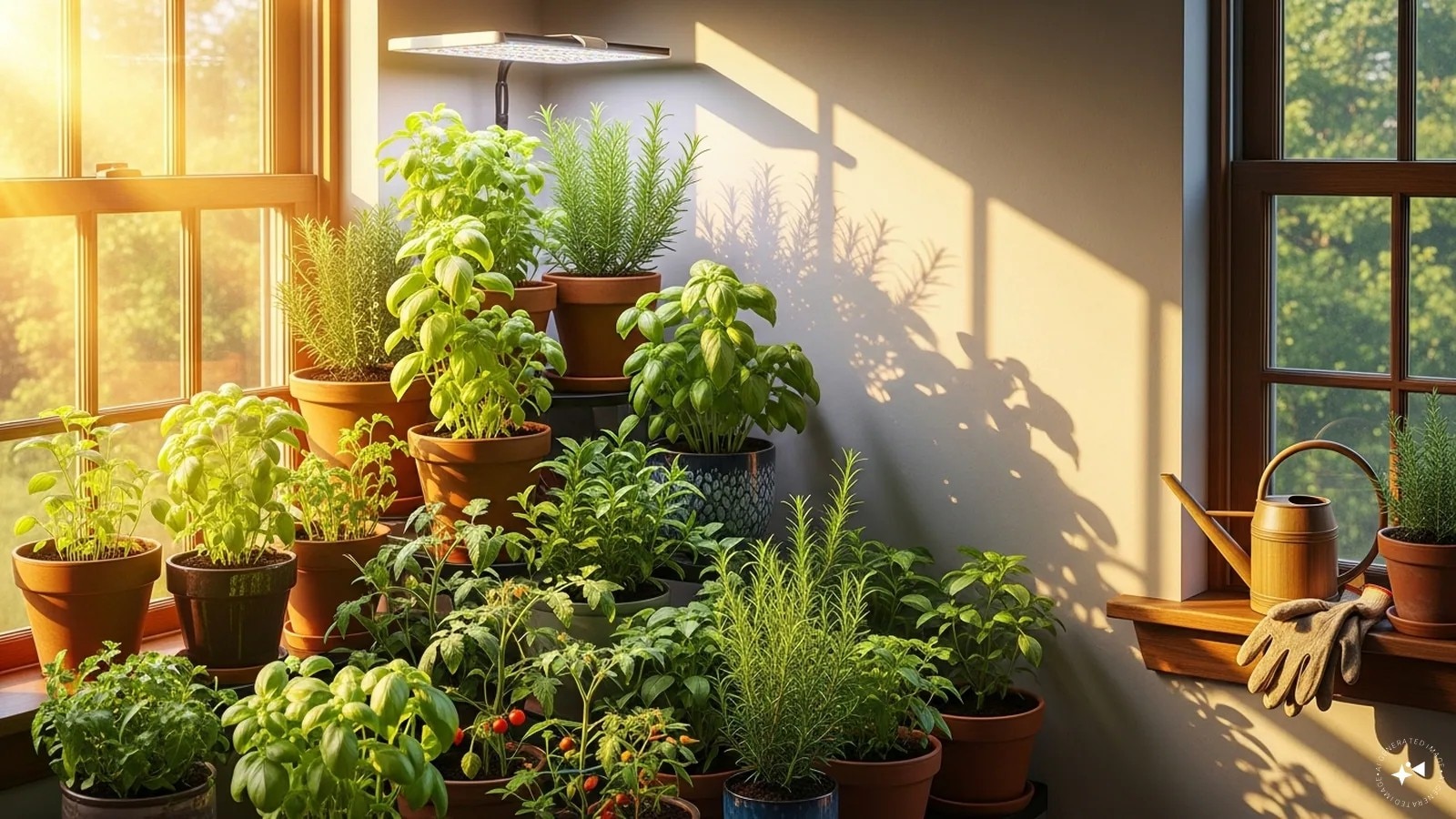
Choose the right place: Start by identifying a wall or corner that receives enough sunlight. Most vegetables and herbs need at least four to six hours of light a day. If you're indoors, choose a bright window or complement it with grow lights. Accessibility matters too; You'll want to water and maintain your garden easily. (Image: generated by AI)
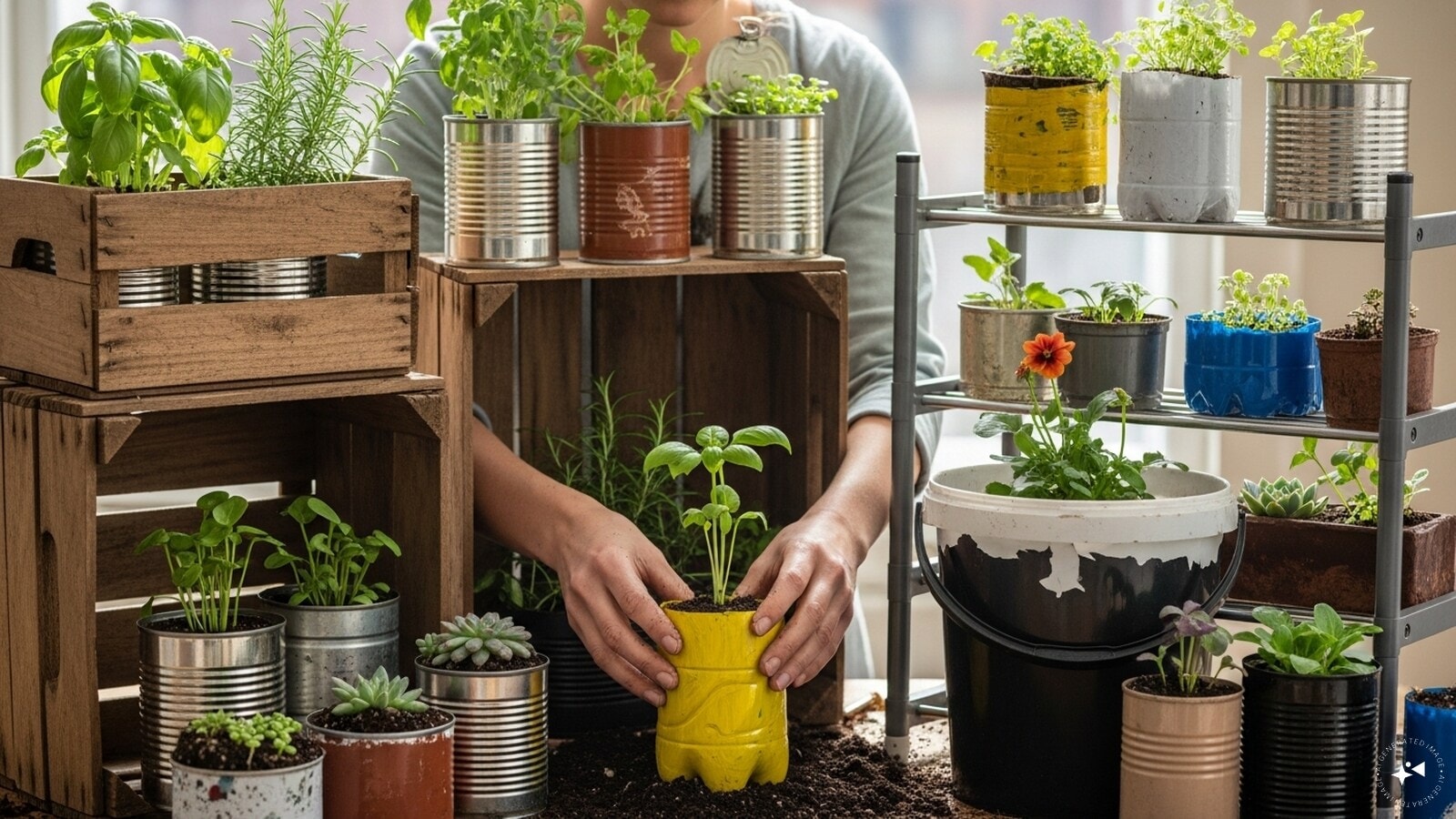
Collection of waste materials: Look around your home for items that can be reused. Plastic bottles, old wooden boxes, cans, broken buckets and unused shoe racks make excellent planters. Instead of throwing them away, give them a second life. This not only saves money but also significantly reduces household waste. (Image: generated by AI)
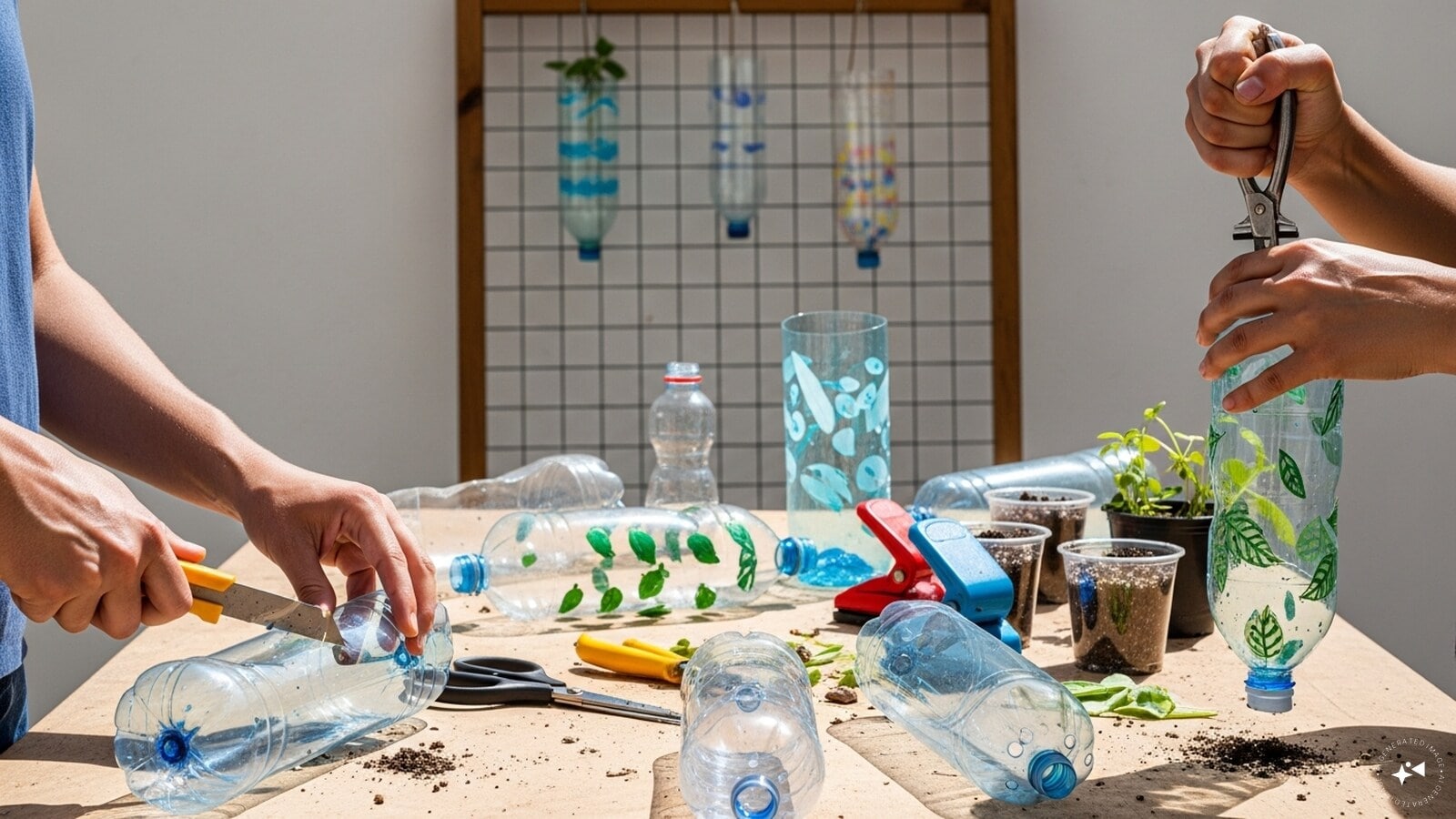
Prepare plastic bottles: Plastic bottles are the most versatile option. Cut them horizontally to create feeders or vertically to form hanging planters. Make small drainage holes in the bottom to prevent waterlogging. You can paint or decorate them for aesthetics. Bottles can be tied to mesh or nailed to wooden frames. (Image: generated by AI)
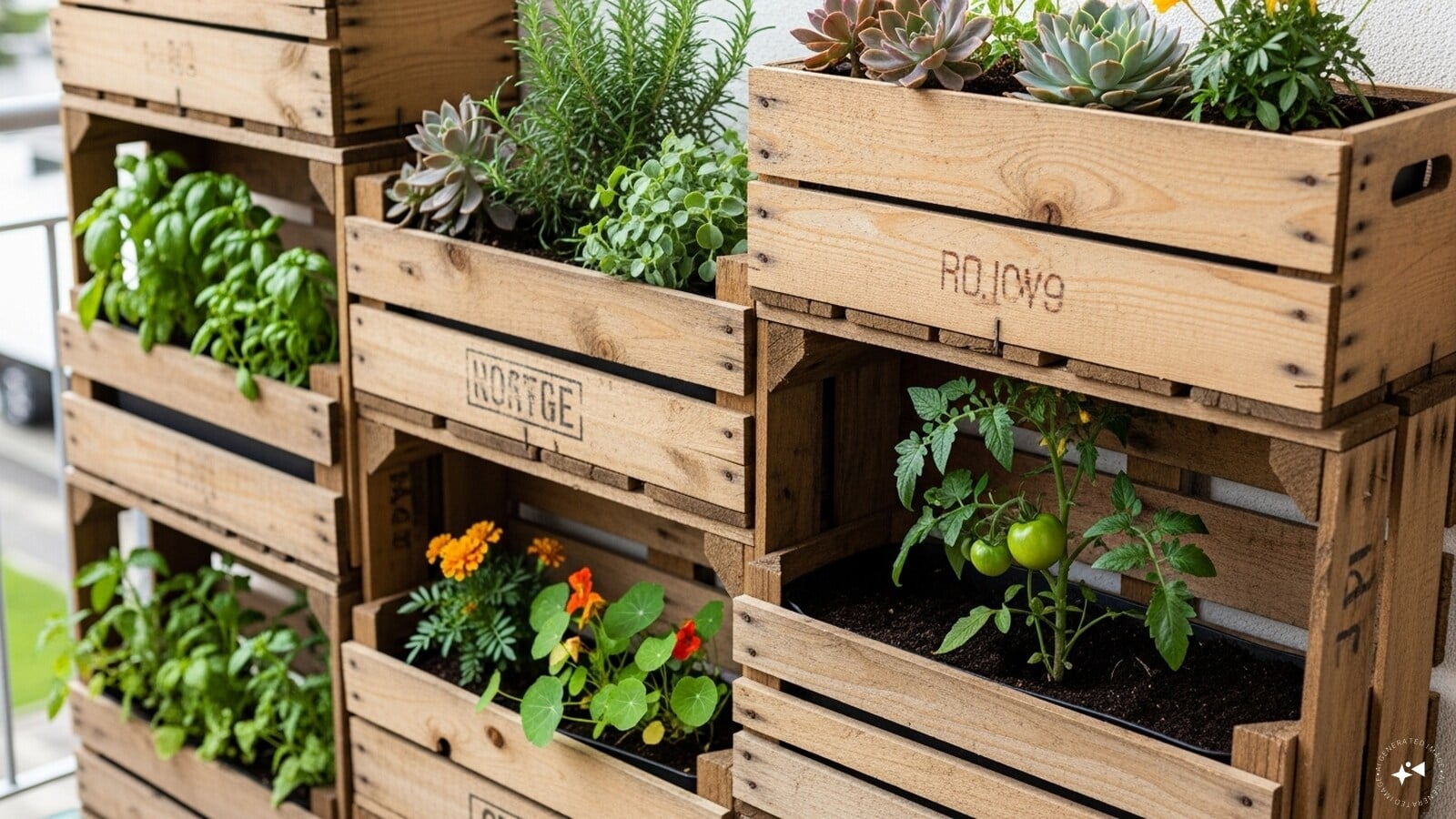
Use of wooden boxes and pallets: Old wooden boxes or shipping pallets can be transformed into rustic vertical gardens. Cover them with plastic sheets to retain soil and then insert the plants in rows. Herbs, succulents, and flowering plants thrive in these settings. The wooden frames add charm and are sturdy enough to support heavier plants like tomatoes. (Image: generated by AI)
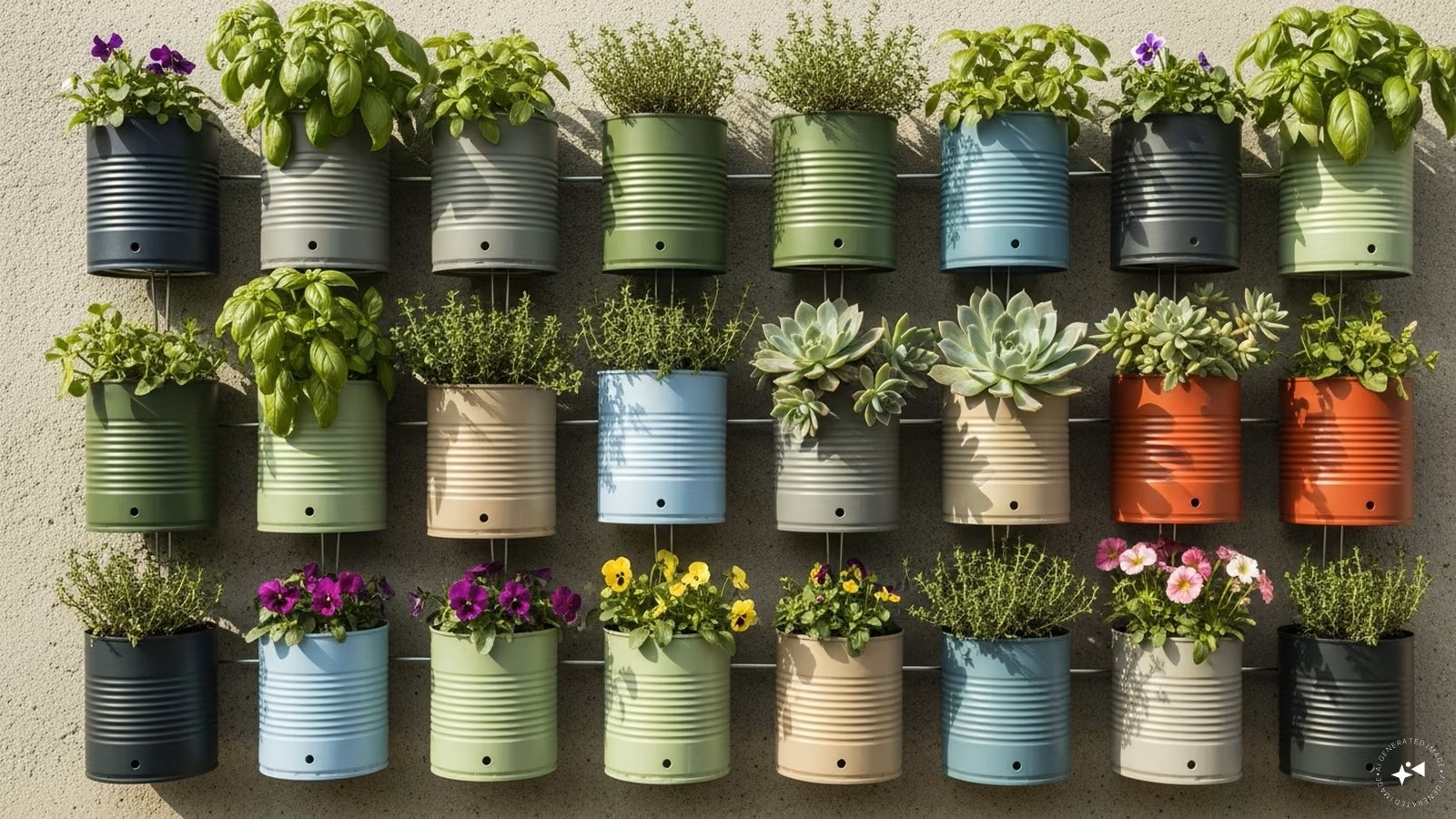
Reuse of cans: Food cans are perfect for small herbs and decorative plants. Wash them well, drill drainage holes, and paint them to prevent rust. Attach them to walls with hooks or screws. Their uniform size makes them ideal for creating neat, symmetrical patterns in your vertical garden. (Image: generated by AI)
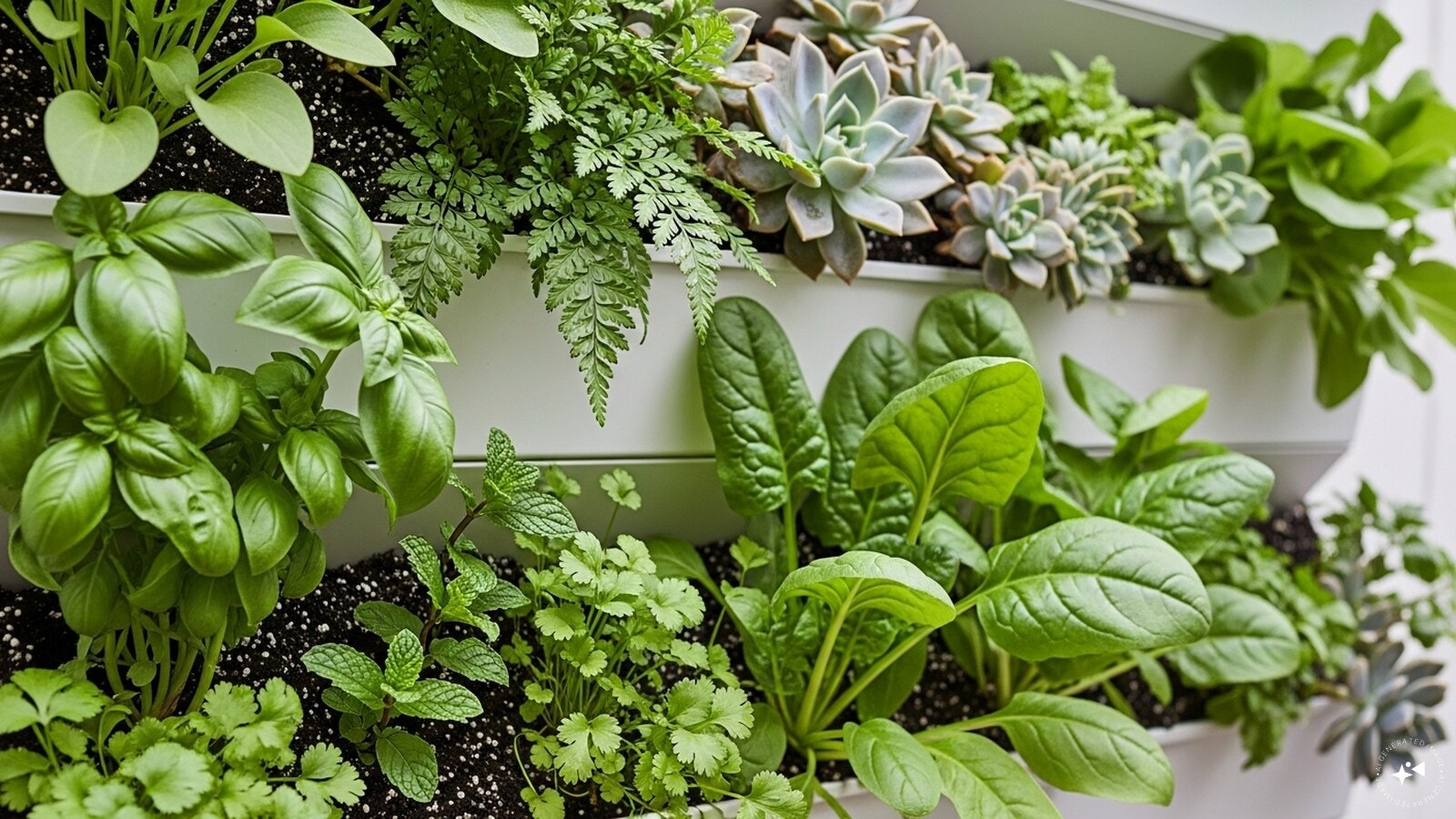
Soil and plant selection: Use light potting soil mixed with compost for better aeration and nutrition. Choose plants suitable for vertical growth; herbs such as basil, mint and cilantro, leafy greens such as spinach or ornamental plants such as ferns and succulents. Avoid large tubers, as they require more depth than waste containers can provide. (Image: generated by AI)
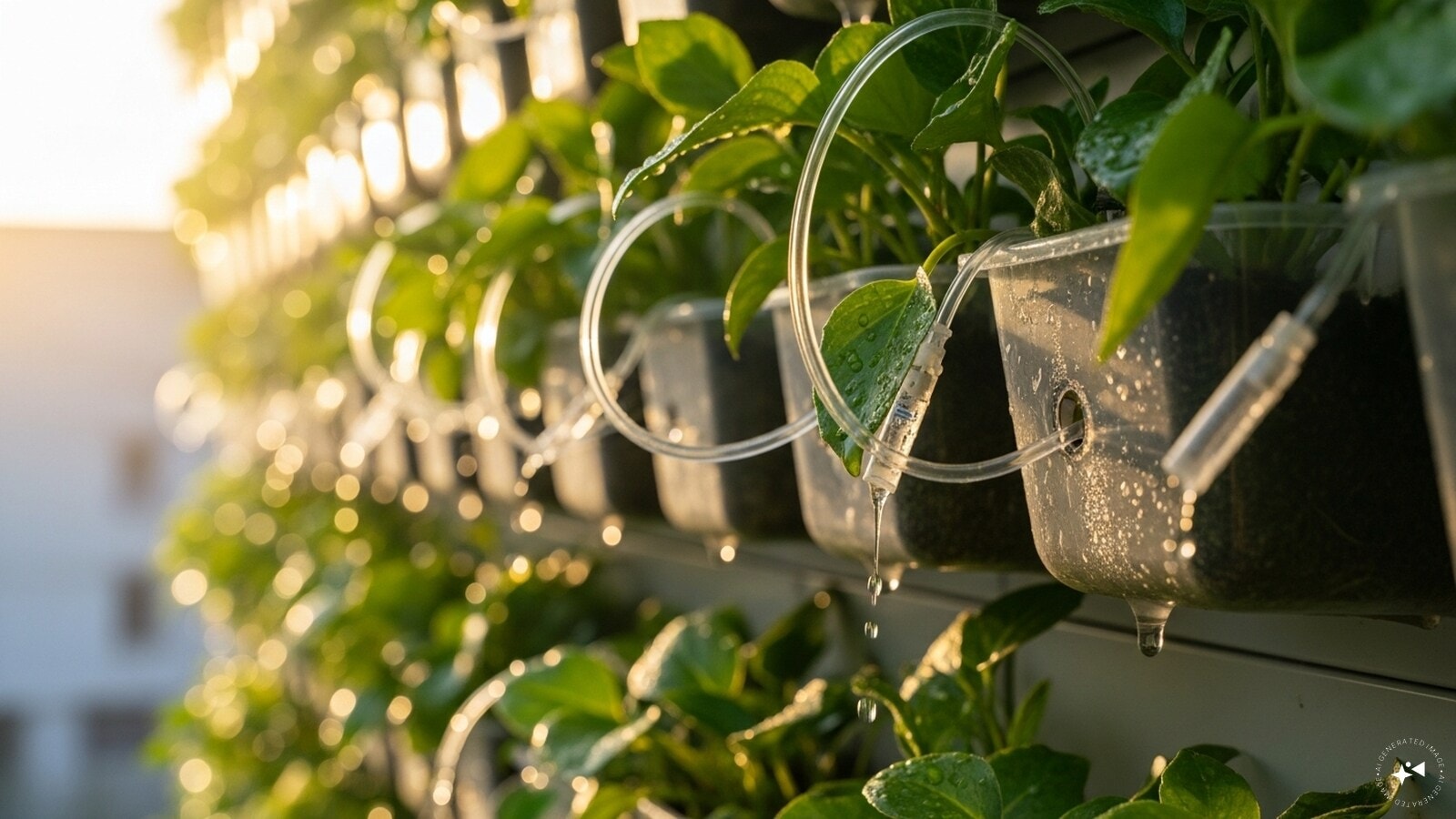
Irrigation system: Vertical gardens dry faster than traditional ones. To fix this, set up a simple drip irrigation system using old IV tubing or perforated pipe. Alternatively, water from above and let gravity distribute moisture downward. Make sure each container has drainage holes to prevent root rot and fungal growth. (Image: generated by AI)
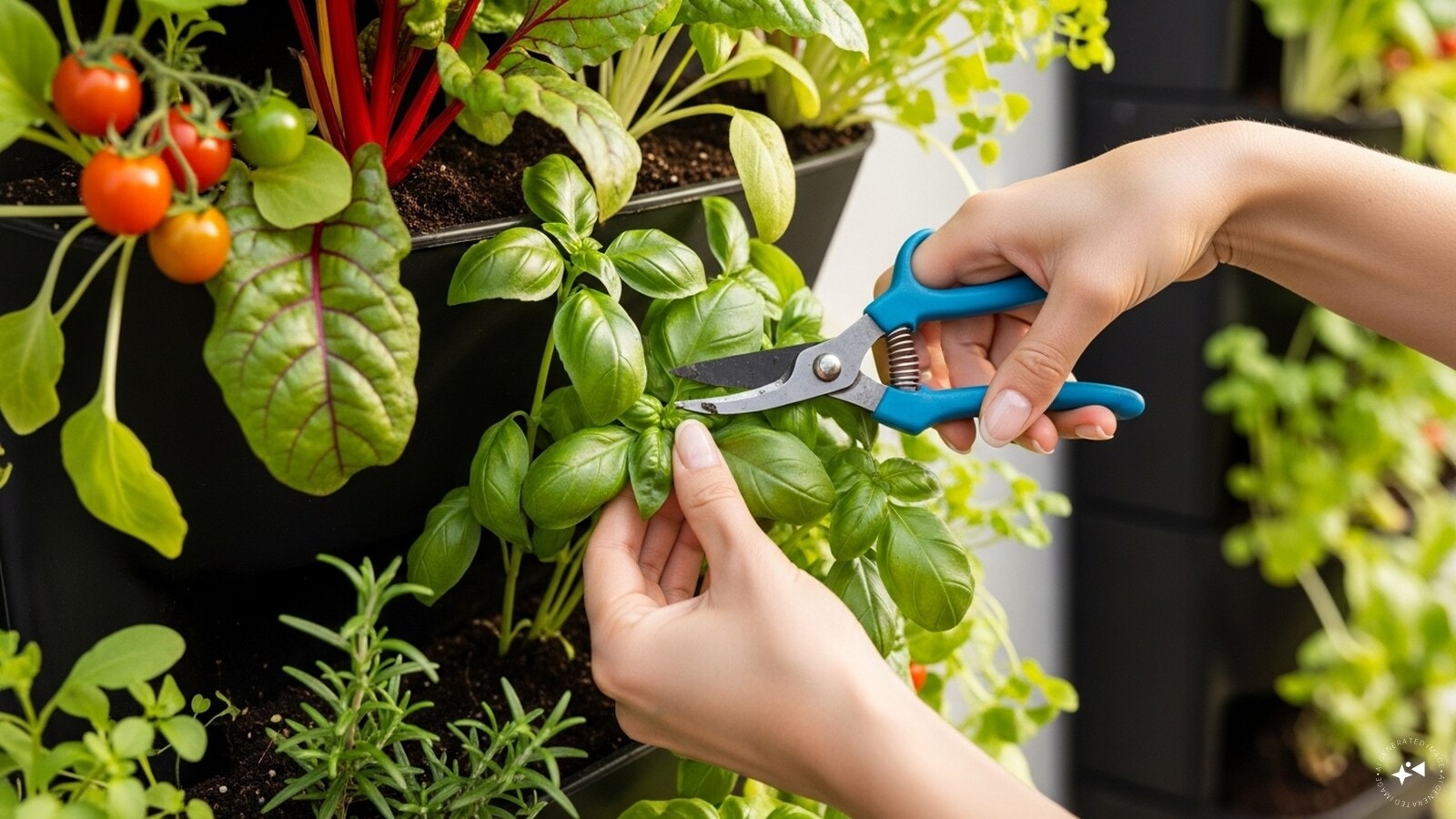
Maintenance Tips: Prune plants regularly to encourage healthy growth and prevent overcrowding. Rotate crops seasonally to keep the soil fertile. Add compost or organic fertilizer every few weeks. Look for pests, especially in dense spaces, and use natural remedies like neem oil. With consistent care, your vertical garden will flourish all year round. (Image: generated by AI)
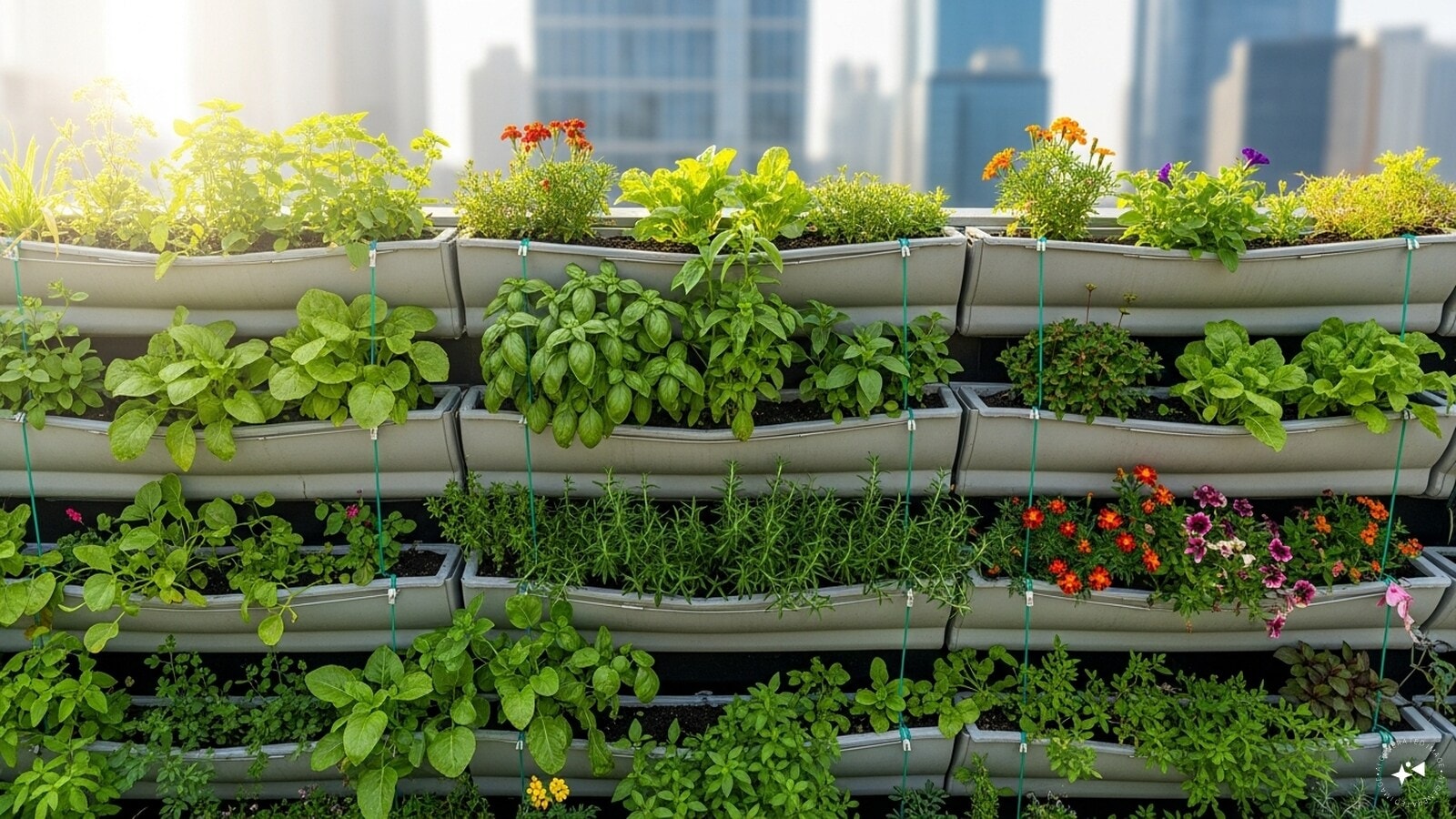
Benefits beyond beauty: A vertical garden not only saves space but also improves air quality, reduces heat and adds aesthetic appeal. By using waste materials, you contribute to sustainability and reduce the burden on landfills. It is a rewarding project that combines creativity, ecological awareness and the joy of growing your own food or flowers. (Image: generated by AI)