A version of this article first appeared in CNBC's Healthy Returns newsletter, bringing the latest healthcare news directly to your inbox. Subscribe here to receive future editions.
Medicare has officially started covering obesity drugs for the first time through a temporary government program, and companies like Walmart and CVS Health They play an important role for patients.
The massive change in Medicare policy will open access to millions of older Americans who previously could not afford the blockbuster GLP-1. Nordisk and Eli Lilly to treat obesity. But many seniors may not know about this new coverage or how to navigate its complexities, such as eligibility requirements and how it differs from traditional Medicare drug insurance, CNBC previously reported.
A staggering 82% of all older Americans said they did not know that Medicare was about to start covering obesity medications, according to a survey released in early June by the Obesity Care Advocacy Network.
Health care providers are always a trusted resource for patients, but many Medicare beneficiaries face long waits for doctor appointments. So, Walmart and CVS Health are trying to step in to fill the void.
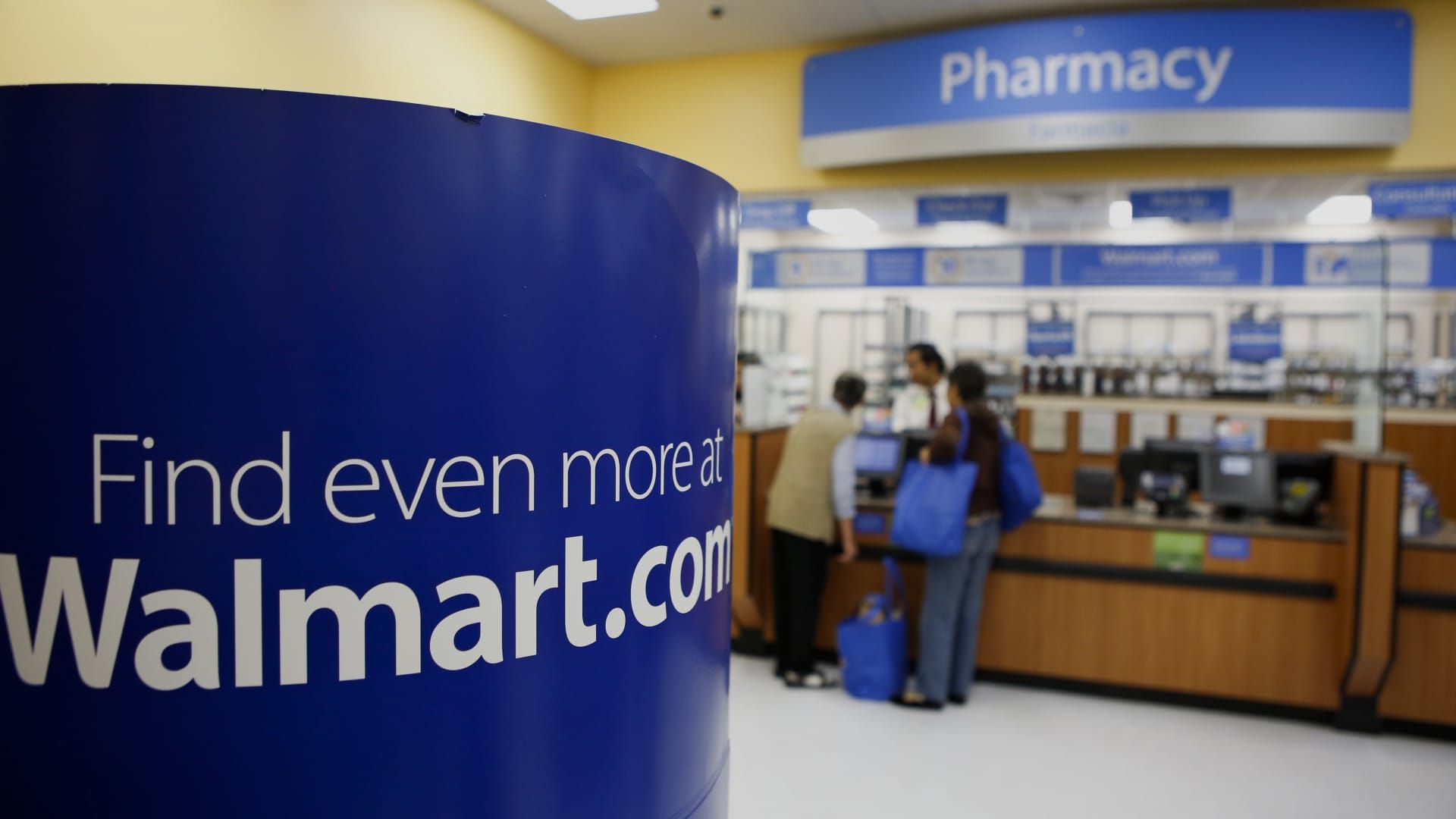
Walmart and Sam's Club last week launched a nationwide effort to help Medicare patients better understand the new coverage, offering more educational materials, more pharmacy support at nearly 5,000 locations and assistance navigating health care resources.
Walmart's website will curate several resources aimed at Medicare beneficiaries, including a learning page that will help seniors interested in obtaining coverage along with weight management support options. The company will also provide other digital tools: For example, seniors who regularly shop at Walmart can join what is called Everyday Health Signals, which can help them review their grocery purchases and recommend healthier alternatives.
Those resources will continue to be widely available to patients who don't qualify for coverage under the government program, called Bridge, Kevin Host, senior vice president of Walmart Health & Wellness, said in an interview. Walmart is training its pharmacists and technicians, who will provide individual consultations to help patients understand what their next steps are and can help them manage side effects once they begin therapy, Host said.
Pharmacists are “without a doubt the most accessible healthcare professionals,” he added. Walmart has 15,000 pharmacists, about half of whom have been with the company for more than a decade, Host said.
“Think about the relationships they can build: We have a pretty significant presence in rural areas and many are medically underserved communities,” he said.
CVS is also increasing its GLP-1 support at 9,000 pharmacies and MinuteClinic, a division that provides retail clinical services, as the new coverage rolls out. The effort includes expanded pharmacy support designed to help patients access treatments and manage common side effects so they can stay on them, according to a statement from CVS.
It also includes a new $49 MinuteClinic virtual visit that connects eligible patients with licensed physicians who can evaluate and prescribe GLP-1 treatment, if appropriate.
“From helping patients manage side effects to identifying ways to reduce costs, our pharmacists are there every step of the way,” Sid Tenneti, interim president of pharmacy and consumer wellness at CVS, said in the release.
The Walmart host said that amid big coverage changes, patients are looking for simplicity and experiences that are easier to navigate.
“We believe we have the unique ability to help and we seek to help with accessibility and affordability,” he said. “We're leveraging our trusted healthcare professionals, those pharmacists and pharmacy technicians, and simply providing everyday convenience on a national scale that very few organizations can match.”
Feel free to send any tips, suggestions, story ideas and facts to Annika at a new email: [email protected].