The WHO Representative in Lebanon, Dr. Abdinasir Abubakar, spoke with UN News from Beirut and said that on Wednesday he marked ““one of the deadliest days in the current escalation of violence” in the country.
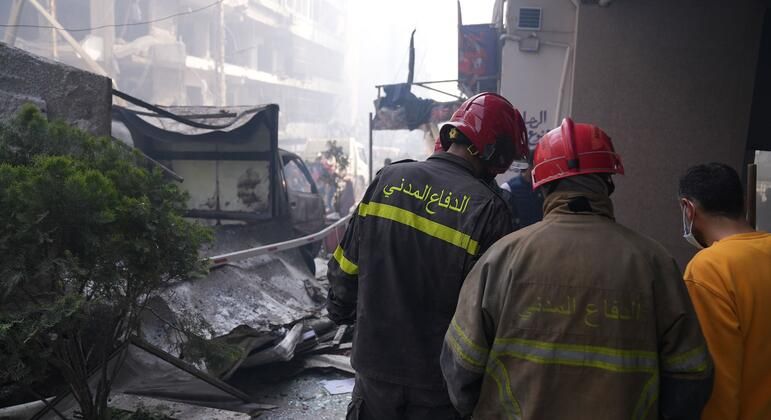
In just a few minutes, multiple strikes affected densely populated areas, including the capital, Beirut, in the middle of the workday.
“In just 10 minutes yesterday afternoon, explosions hit multiple locations, including densely populated civilian areas in the capital, Beirut,” he said, describing Scenes of panic as civilians continued with their daily lives without warning..
The attacks caused a large number of civilian casualties. “The mid-term evaluation informs…more than 200 dead and more than 1,000 injured. Among them, women and children.“said Dr. Abubakar, adding that first responders and health workers were also among the dead and injured, and Many victims are still trapped under the rubble..
Reflecting on the magnitude of the attack, he described it as “horrible, very sad, alarming,” and recounted how he witnessed multiple attacks from his office in Beirut. “In fact, I could see in my window 10 different strikes in front of me and buildings collapsing.”
Hospitals on the brink of the abyss
Hospitals across the country have been pushed to the brink.
Emergency departments and trauma services are overwhelmed by the magnitude of injuries, while shortages of critical supplies exacerbate the crisis. “In fact, hospitals have made an urgent call” to close the gaps, he said, noting that mass casualty protocols have been activated at the national level.
Unidentified bodies
“Hospitals continue to receive reports of unidentified bodies and body parts that have been recovered,” Dr. Abubakar said, highlighting the magnitude of the devastation of the attack.
The pressure on the health system is further intensified by Continuous attacks on healthcare.. Since the escalation began, dozens of health care workers have died and many more have been injured.
“Many of these health workers were displaced because they were affected by the conflict and many of the attacks on health care that occurred in the last 40 days. killed more than 50 health workersand they have injured more than 150 health workers,” he added.
Limited access
These attacks not only cost lives but also limit access to care for those who need it. “When you kill health care workers and first responders…The bottom line is that you have no lifeguards or ambulances.”Dr Abubakar warned, highlighting the broader impact on already vulnerable communities.
WHO and its partners are working closely with the Lebanese Ministry of Health to provide support, including medical supplies, technical assistance and financing. However, resources are quickly being depleted.
“We have already consumed most of the available stock in the last 40 days, but what happened in the last 24 hours is even more so,” he stated.
Partners, with support from the Lebanon Humanitarian Fund managed by OCHA, provide displaced people with mobility aids in shelters in northern Lebanon.
Request for international support
Efforts to replenish supplies are also hampered by logistical challenges, including limited transportation options into the country. “We really need to find different options for how we can transport supplies,” he added.
Despite the challenges, the healthcare system continues to operate under immense pressure. “We are doing everything we can to serve people and save lives. But such humanitarian assistance will also depend on the available resources received by humanitarian partners,” said Dr. Abubakar.
With needs soaring, WHO has issued an urgent appeal for international support.
“We really need urgent resources and funds to continue, helping those people who need it.”he said, warning that without additional funding, life-saving operations could be at risk.