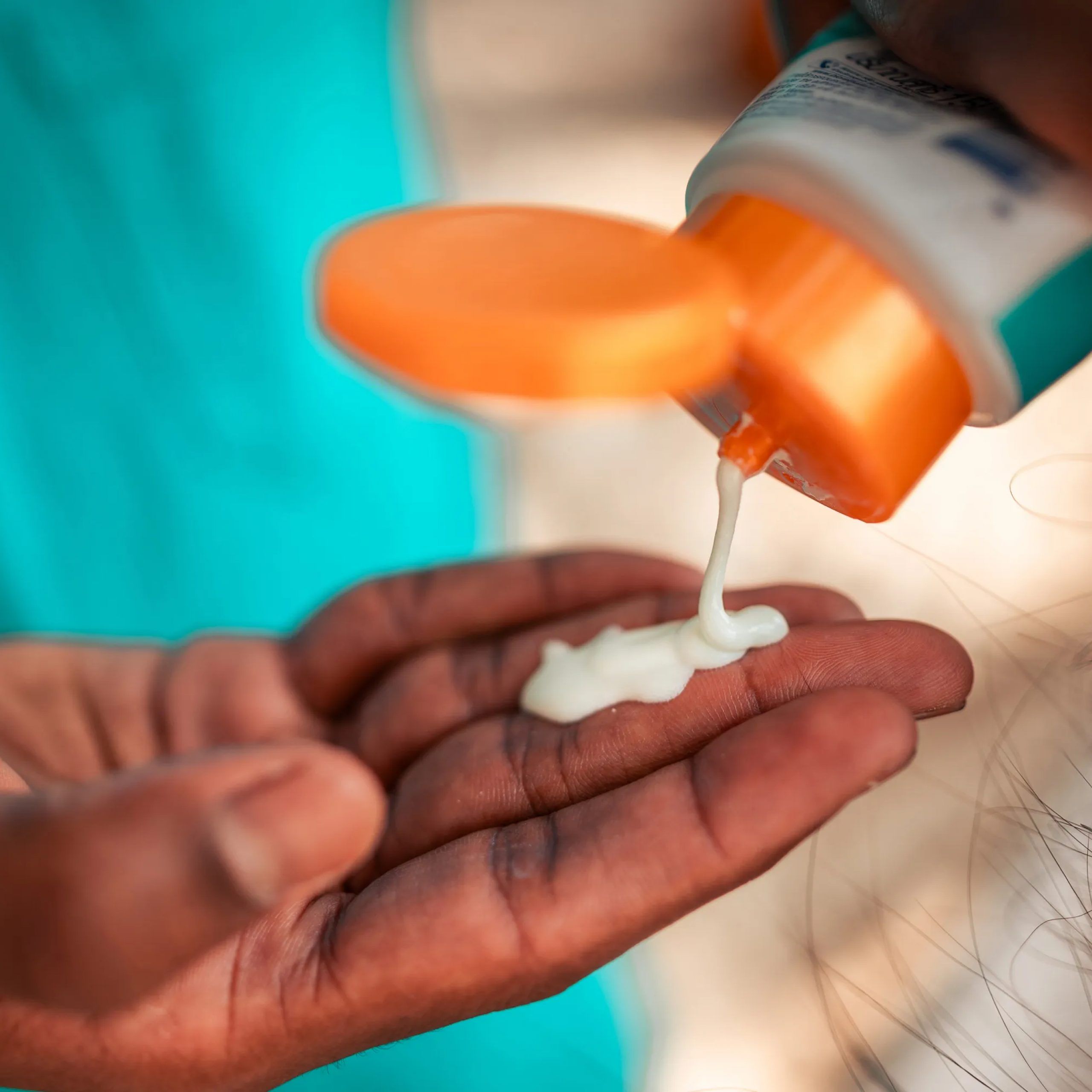
Officials, environmental health advocates and skin care industry groups are expressing hope that the Food and Drug Administration's June 9 approval of a sunscreen ingredient — after consideration for two decades and global use for nearly as long — will help restore Americans' wavering faith in sunscreen.
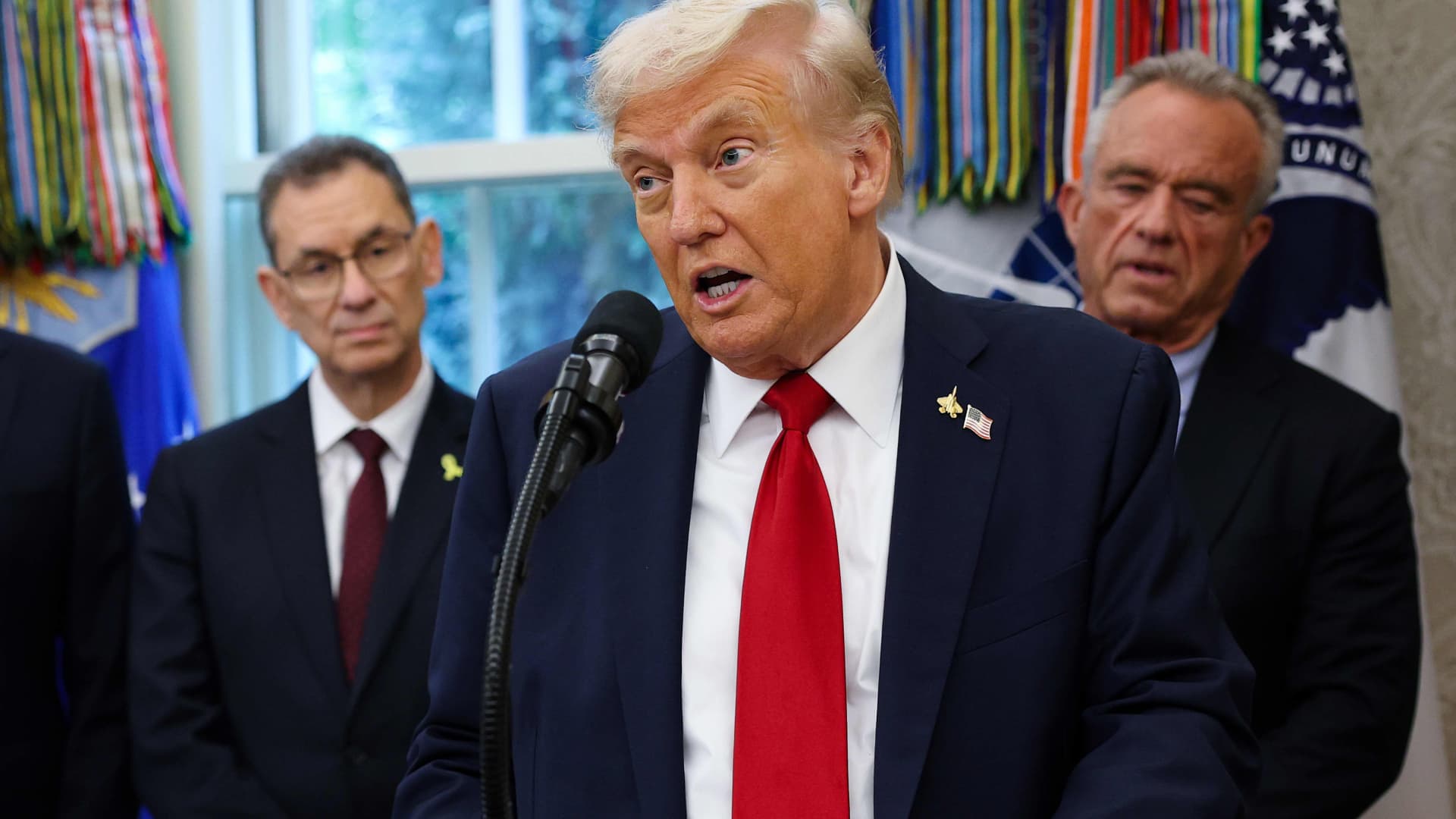
“Bemotrizinol has been used safely in Europe for decades,” Health and Human Services Secretary Robert F. Kennedy Jr. said in the announcement about the approval. “The FDA's action will increase competition and consumer confidence in sunscreen products.”
Both health advocacy nonprofits such as the Environmental Working Group and the skin care industry had pushed for approval of the ingredient, which makes sunscreens clearer and lighter on the skin than many American options available, while blocking a broader spectrum of ultraviolet rays that can cause premature aging and skin cancer.
The newly approved sunscreen filter will allow companies to reformulate sunscreens to address consumer concerns, said Carl D'Ruiz, senior manager at DSM-Firmenich, a Swiss manufacturer of sunscreen chemicals that has applied for FDA approval. In addition to allowing companies to offer what the FDA calls safe and effective formulations, he said, the approval will allow sunscreens that more closely resemble coveted South Korean brands to be sold in the United States in the fall.
Trust in American sunscreens has wavered on two fronts: among those who are concerned about the content of the sunscreens they use and those who believe sun exposure is healthy. But will the new ingredient win the trust of Make America Healthy Again skeptics and Gen Zers who tan intentionally? The strikingly tanned RFK Jr. has helped fuel this confusion by pledging in 2024 to fight what he called the FDA's “war on public health” and “aggressive suppression” of sunlight. Under his leadership, the FDA backed off a plan in March to ban those under 18 from using tanning beds.
All of this is important because 1 in 5 people will develop skin cancer before age 70 in the United States. It is the most common cancer in the country, where around 3.3 million people are diagnosed with basal cell and squamous cell carcinomas each year.
D'Ruiz said he believes bemotrizinol, also known as BEMT, will change the dynamic. “People will talk more positively about sunscreens,” he said.
In the United States, new chemical sunscreen products are regulated as over-the-counter medicines, like aspirin or cough syrup, rather than as cosmetics, as in Japan and the European Union. That means they face more elaborate testing and safety protocols, such as animal testing that goes against EU laws, which is why the approval process for bemotrizinol took almost two decades, D'Ruiz said.
What is “generally recognized as safe and effective,” also known as “GRASE” in FDA jargon, is at the center of the sunscreen debate in the United States. Bemotrizinol joins zinc oxide and titanium dioxide on the FDA's GRASE list.
That could help rebuild trust, said Alexa Friedman, an environmental epidemiologist at the Environmental Working Group, a nonprofit that researches ingredients in consumer products.
“It has solid safety data,” Friedman said. “Documents submitted to the FDA to achieve 'general recognition as safe and effective' include irritation testing, allergy sensitization, two-year animal carcinogenicity studies, and reproductive health.”
The approval will also give consumers access to sunscreens that don't leave as much white cast, she said, making some people hesitant to use mineral sunscreens like zinc oxide and titanium dioxide.
The approval of bemotrizinol will not change the possibility of various chemicals with unclear safety profiles being added to sunscreens.
In 2019, the FDA said there was insufficient data to support a positive determination “generally recognized as safe and effective” for 12 commonly used sunscreen chemicals.
Concerns arose after the FDA released a study that said some sunscreen ingredients had been found in the bloodstream of humans. Although the industry has since phased out several of those chemicals that lack GRASE status, four are still widely used: avobenzone, homosalate, octisalate, and octinoxate.
“The European Union recently concluded that homosalate was not safe at the concentrations they were using and recommended a very low percentage, which was effectively a ban,” Friedman said. “The United Kingdom also issued a security assessment.”
Octisalate and octinoxate have been associated with endocrine system disruption, and octinoxate was banned from sale in Hawai'i due to concerns that it harmed marine life and bleached coral reefs.
Avobenzone breaks down when exposed to light, making it less effective, Friedman said, and has been associated with allergic reactions.
Mark Mitchnick, a pediatrician who invented transparent zinc oxide, known under the brand name Z-Cote, said bemotrizinol will give chemists a new tool to make sunscreens that people will want to use.
“It's a good blocker of UVA rays,” he said. “It gives us good flexibility. In my opinion, it allows us to make really good products without using avobenzone, which I think has a lot of weight.”
The majority of UV rays that people are exposed to are UVA rays that can penetrate the middle layer of the skin and cause up to 90% of skin aging, along with a smaller amount of UVB rays, which are responsible for sunburn. Ultraviolet radiation falls in the electromagnetic spectrum between X-rays and visible light.
Mitchnick said major companies have used chemical filters because they work better per pound compared to mineral sunscreens made with zinc oxide and titanium dioxide. “That's why hybrids are great: you get the best of both worlds.” He said he expects companies, including his own, to launch hybrid products containing bemotrizinol and zinc oxide later this year.
J. Frank Nash, senior director and researcher at Procter & Gamble, said skepticism about sunscreens is unfortunate because properly formulated sunscreens do an excellent job of blocking the sun's UV rays, “which we know are responsible for skin cancer and aging.”
She's concerned that the industry has contributed to the trust gap by adding unapproved UV filters, called boosters, to mineral sunscreens to raise sun protection factor, or SPF, ratings. This leads consumers to wonder what is in the products they buy.
Still, in Australia, where bemotrizinol has been used in sunscreens for years, a recall scandal of ineffective products shows that even when regulators allow lauded UV filters, bad actors can harm an entire industry.
“People don't reject sunscreen because they no longer believe UV rays are dangerous,” said Joseph Mizikovsky, director of the Australian Sun Protection Council. “They're avoiding it because they've lost confidence in what's in the bottle.”
Applauds the FDA's transparency with American consumers about the lack of safety data for filters without GRASE status and the FDA's insistence on mandatory microbial testing of products.
But he said the FDA could do more to restore confidence in sunscreens.
“My opinion is that the FDA should move faster to ban filters that lack safety data, and the public should focus on physical protection (shade, clothing, hats, sunglasses) with sunscreen as the last layer, not the first.”