Listen and play along as hosts Cara Anthony and Blake Farmer test your knowledge with a HealthQ quiz on early-onset cancer detection.
Bryce Ramsey of Madison, Mississippi, was 33 years old when he was diagnosed with colorectal cancer. Noticing blood in her stool, she blamed the hemorrhoids she had developed after giving birth to her son eight years earlier.
Ramsey initially did not link his symptoms to cancer.
“But I had simply made a deal with myself because the blood was starting to become more frequent,” she said. “I thought, 'If this happens the next time I go to the bathroom, I'll make a call.'”
She saw more blood and went to a gastrointestinal clinic to get it checked out, just in case. His doctor said he wouldn't normally test someone Ramsey's age, “'but something in my gut tells me I need to,'” Ramsey recalled. “And thank God he did it because he found a 5-centimeter polyp.”
Ramsey underwent surgery, endured chemotherapy, and survived stage 3 colon cancer. Now 40, she volunteers with the Colorectal Cancer Alliance, a nonprofit advocacy group, to raise awareness about early-onset colorectal cancer.
Stories like his are becoming more common: In the United States, more than a dozen types of cancer are on the rise in adults under 50. Among these early-onset cancers, colorectal and breast cancer have increased the most, and colorectal cancer is now the deadliest cancer among Americans ages 18 to 49.
Here's what you should know about detecting early-onset cancers.
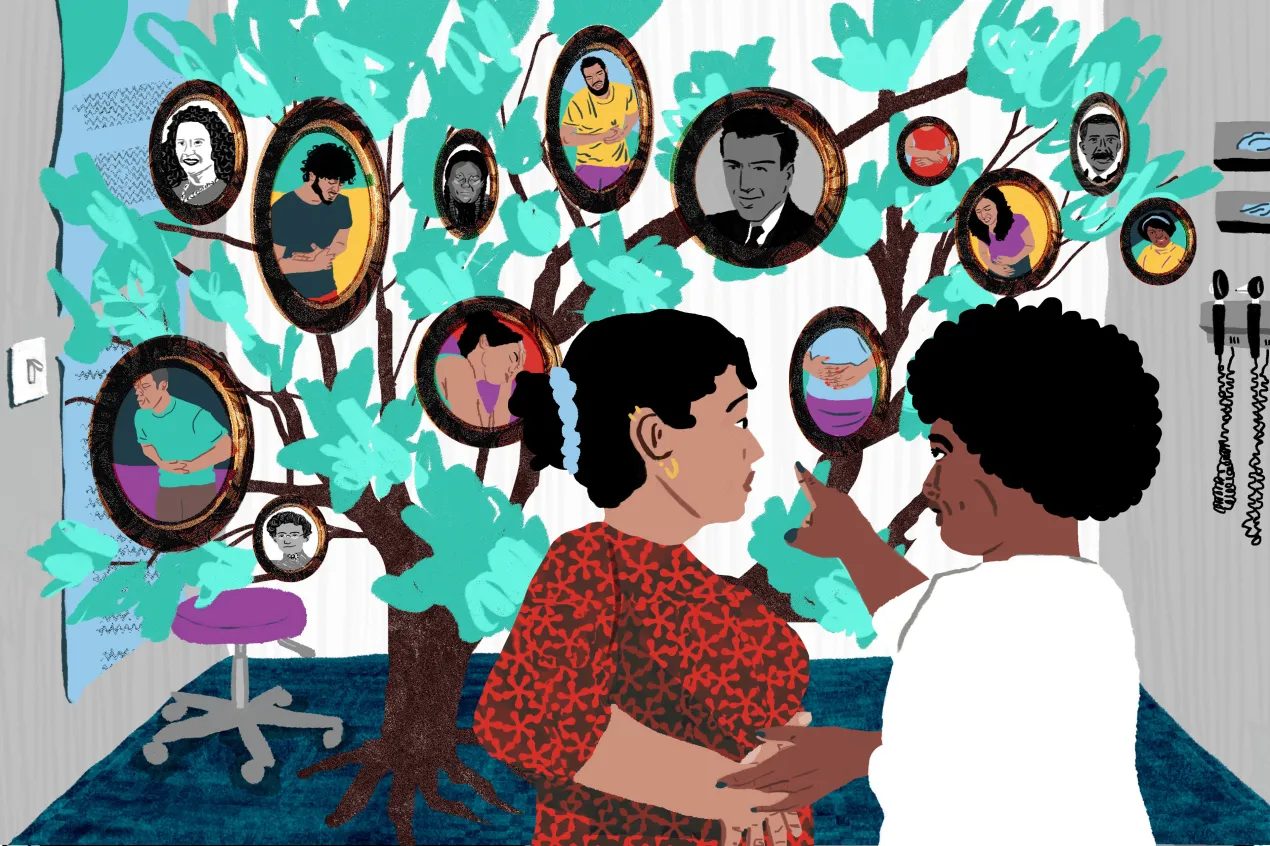
1. Family history is one of the most important risk factors.
Researchers have been unable to find a single cause for the increase in early-onset cancers. Instead, research suggests that a host of factors play a role, including obesity, excessive alcohol consumption, environmental factors such as microplastics, and alterations in gut health.
Doctors generally follow population-level guidelines for routine screening, such as recommending mammograms starting at age 40 to detect breast cancer, but doctors may recommend that some patients get screening starting at age 20. Doctors weigh a patient's personal risks, including their family history of cancer.
Ramsey learned only after his diagnosis that his grandfather had had colorectal cancer. “If I had known I had a strong family history, I would have been tested much younger,” he said. “My doctor said my tumor had probably been growing for seven to ten years.”
After her diagnosis, she encouraged her father, aunt and brother to get screened. All three were also diagnosed with colon cancer and survived after receiving treatment.
Ramsey said it can be uncomfortable to urge family members to get tested or to talk to them about private health information, but those conversations are worth having to save a life.
“Just ask the question or make a joke about it. And sometimes a few little icebreakers will help,” she said.

2. Report unusual symptoms as quickly as possible.
Watching for unusual body changes or symptoms (and reporting them to your doctor) gives doctors the information they need to determine your personal risk for cancer.
“For example, a lump in the breast, abdominal pain, changes in bowel habits that don't really go away,” said oncologist Veda Giri, director of the Early Onset Cancer Program at Yale Cancer Center. “Certainly blood in the stool. Sometimes even symptoms like unusual fatigue that don't seem to go away.”
“It's incredibly important to communicate your symptoms to your doctor,” Giri said.
3. Speak, then test, then speak again.
There are ads for at-home cancer tests everywhere, so you might be tempted to use a screening kit instead of going for an office visit or a standard screening test, like a colonoscopy.
But not all tests are equal, Giri said. It may be difficult for laymen to understand the accuracy of home screening kits, so they should talk to their doctor first.
“Some of these tests could create a false sense of calm or false anxiety and alarm,” he said.
For people who decide to go ahead with an at-home test, experts say they still need to consult with a doctor. If you get any type of abnormal result, your doctor will want to follow up with additional tests, such as a colonoscopy. Sharing your results, regardless of the outcome, will help inform your care.
People and politics
The U.S. Preventive Services Task Force recently changed the recommended age for women to begin mammograms to screen for breast cancer from age 50 to 40. But there is a difference of opinion between medical and national defense groups about whether regular testing should be done every year or every two years.
In 2021, the same task force lowered the recommended age to 45 years for a first colonoscopy to screen for colon cancer in people at average risk. Establishing a relationship with a trusted doctor can help patients assess personal risk and sort through new information as research and public health guidelines evolve.
If you are unsure about your personal risk for cancer or when you should start getting cancer screenings, one of the best ways to advocate for your health is to build a relationship with a doctor you trust and ask them specifically about your cancer risk. You can also ask to see a cancer genetic risk specialist, a type of medical provider who helps patients evaluate their cancer risk, often with genetic testing.
This installment is part of HealthQ's report on caregiving among the sandwich generation. For more information, see the series archive.
Nashville Public Radio's Katherine Ruppelt and Emily Siner contributed to this report.
HealthQ is a health series from reporters Cara Anthony and Blake Farmer, accessible guides to an inaccessible healthcare system. It is a collaboration between Nashville Public Radio and KFF Health News.