Biohub, a nonprofit research organization funded by the Chan Zuckerberg Initiative, announced Thursday that it will open another round of funding through its Rare As One Network this fall. It marks the fourth round of grants to the rare disease community from Rare As One, which has committed more than $150 million to rare disease initiatives across four funding cycles.
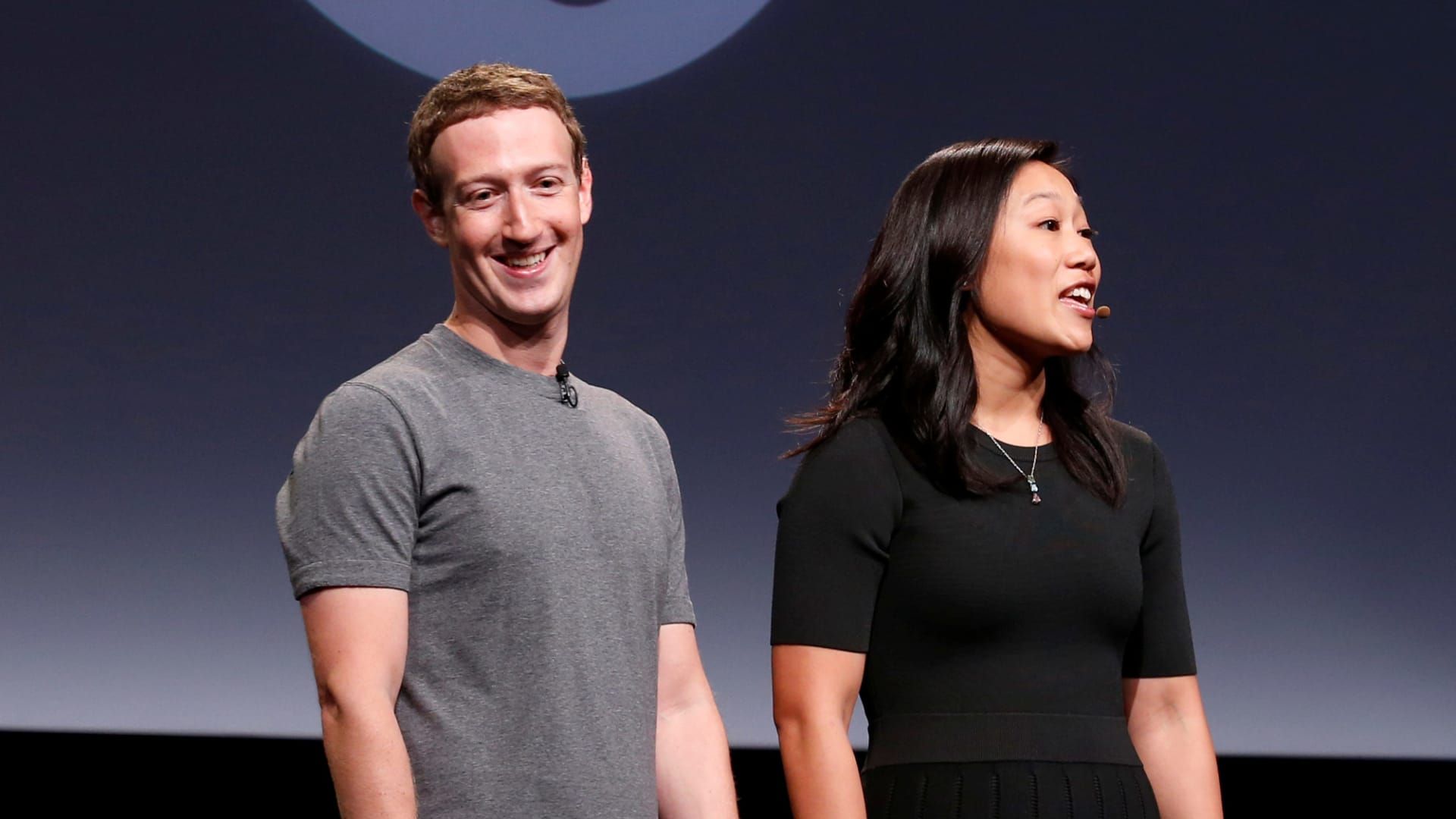
“When I was a pediatric resident, I sat across from families who had done everything right (researched, advocated, fought for answers) and I had to tell them that medicine didn't know it yet. Those families never abandoned me. We built Rare As One because we believe that patients are not spectators of scientific progress: they are among its most powerful drivers,” Priscilla Chan said in a statement to CNBC.
The application window for the fourth cycle will likely open in October, although an official date has not yet been announced. The awards will target groups primarily focused on rare lung and immune diseases, as well as rare cancers.
The announcement also expands Biohub's partnership with Every Cure, the nonprofit organization founded by Dr. David Fajgenbaum that uses artificial intelligence to identify opportunities to repurpose existing drugs for diseases with few or no treatment options. Biohub already serves as a core philanthropic supporter of Every Cure. Through the new collaboration, select patient organizations will partner with Every Cure to advance promising drug repurposing opportunities identified on its AI-powered platform, with the goal of taking those findings and turning them into patient-centered research programs.
“I am excited about our expanded partnership – from an initial grant to start building our AI platform in 2023 to where we are now,” Fajgenbaum said. “There is no better organization or team to work with on this shared mission.”
Dr. David Fajgenbaum, one of the founders of Every Cure, a nonprofit organization focused on drug repurposing.
Courtesy of each priest
It's all part of a broader push by Chan and Mark Zuckerberg to further incorporate AI into their ambitious quest to eliminate disease. Biohub recently launched its Virtual Biology Initiative, a $500 million effort to build a predictive model of the cell. As part of that announcement, Biohub also unveiled its own AI model designed to accelerate drug discovery.
“In the seven years since our launch, 94 patient-led organizations have built research networks, launched clinical trials and, in some cases, are now sponsoring those trials themselves,” Chan said. “What once seemed impossible is happening. And now, with AI accelerating what is scientifically possible, every day we are raising the ceiling of what is possible for families,” he added.
For Biohub's Rare As One program, the announcement marks another milestone in what has been a transformative relationship with the rare disease advocacy community. To date, Biohub says the organizations it supports have engaged more than 320,000 patients and community members, along with 26,000 researchers. Those organizations have demonstrated how advanced and sophisticated patient-led advocacy groups have become over the past decade, with two-thirds of the groups that received Rare As One funding creating research assets and tools that will help accelerate the understanding of rare diseases, and more than half contributing to the development and launch of clinical trials.
“We founded the Rare As One project because we saw that patients were playing a critical role in scientific discovery,” Tania Simoncelli, vice president of translational science at Biohub, said in a blog post. “What we have witnessed over three cycles is something even more powerful than we imagined. Patients, researchers and clinicians working together are not just accelerating timelines: they are reshaping the paradigm of biomedical research.”
Sunitha Malepati, a member of the CNBC Cures Advisory Board and vice president of the CACNA1A Foundation, a group that received a grant from Biohub, said being selected for the program completely transformed what her group was able to achieve. “When we joined the network, we were a young organization with a bold vision but limited infrastructure. Through the program's funding, training, and community of peers, we were able to develop the organizational capacity necessary to actively advance research,” he said.
Malepati said the money helped establish research partnerships and organize the scientific and patient communities around CACANA1A-related disorders, a group of rare, lifelong neurological and genetic conditions. “Rare As One recognized from the beginning that patient-led organizations can be powerful catalysts for scientific advancement, and their faith in our community has helped accelerate hope toward tangible treatments,” he added.
By combining its growing presence in the rare disease community along with its growing investment in AI-based medical technologies, Biohub hopes that those tangible treatments will begin to arrive faster than ever and that patients desperate for answers can begin to receive the help they need.
For more stories like this, sign up for the CNBC Cures Newsletter and take a look CNBC Cures online.
Correction: This story has been updated to show that the Rare As One Network is committing more than $150 million to rare disease initiatives across a total of four funding cycles.