World governments are scrambling to mitigate the economic fallout from the escalating conflict in Iran, which fueled a record rise in oil prices on Monday. This increase followed production cuts by key producers and signs from Tehran that hardline elements will remain in charge.
Reflecting growing international concern over supply disruptions, Group of Seven finance ministers are scheduled to discuss a possible joint release of emergency oil reserves during a meeting on Monday, a French government source confirmed.
In South Korea, which imports 70% of its oil from the Middle East, President Lee Jae Myung announced that Seoul would cap fuel prices for the first time in almost 30 years, while warning against panic buying.
In an emergency meeting, Lee called the crisis “a significant burden on our economy, which relies heavily on global trade and energy imports from the Middle East.”
A senior member of Japan's parliament said on Sunday that the government had instructed a national oil reserve storage site to prepare for a possible release of crude, although the country's chief cabinet secretary later said no decision had been made to release the reserves.
Japan imports about 95% of its oil from the Middle East. It has reserves to cover 354 days of consumption.
Elsewhere, Vietnam removed fuel import tariffs and Bangladesh closed universities to conserve electricity and fuel, while China last week told refiners to halt fuel exports and try to cancel shipments already committed.
Trump downplays prices
President Donald Trump sought to downplay concerns about rising U.S. gasoline prices, which rose 11% for the week on Friday, while Senate Minority Leader Chuck Schumer called on him to sell oil from the Strategic Petroleum Reserve.
“Near-term oil prices, which will fall rapidly when the destruction of Iran's nuclear threat ends, is a very small price to pay for the security and peace of the United States and the world,” Trump posted on Truth Social on Sunday night. “ONLY FOOLS WOULD THINK DIFFERENTLY!”
Oil rose 25%, with Brent on track for a record one-day gain, while OPEC producers Kuwait and Iraq cut output over the weekend while the crucial Strait of Hormuz remained effectively closed.
Brent rises 25%
Across Asia, which gets 60% of its oil from the Middle East, stocks fell and the dollar rose as concerns grew that the energy supply disruption could be prolonged.
Iran on Monday named Mojtaba Khamenei to succeed his father Ali Khamenei as supreme leader, a move expected to draw Trump's ire. The weekend attacks on Iranian oil storage facilities fueled fears of retaliatory attacks on energy facilities.
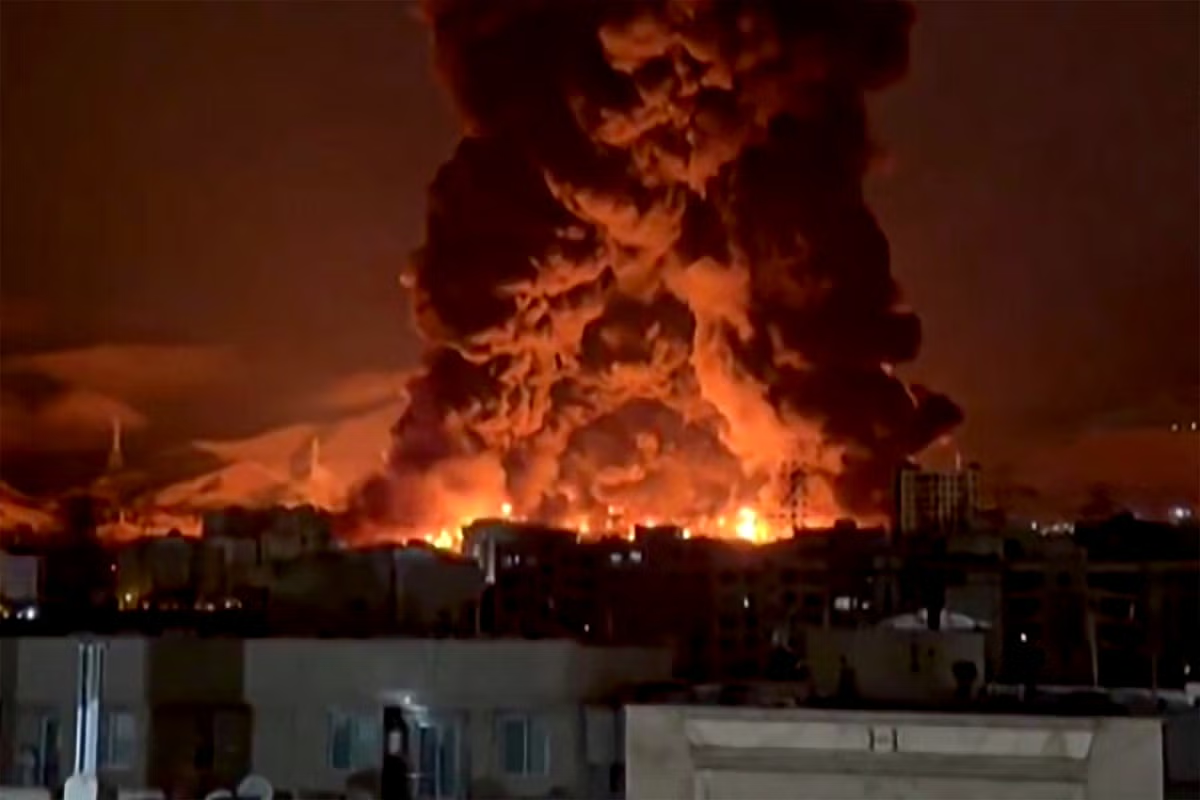
In Bahrain, Bapco Energies declared force majeure on Monday following an attack on its refinery complex, the company said.
“Oil prices have now put together all the ingredients for a perfect storm: Middle East Gulf producers cutting production, the prolonged closure of the Strait of Hormuz… all compounded by growing pessimism about a rapid turnaround in the current situation,” said Kpler senior oil analyst Muyu Xu.
Iraq cut oil production at its main southern fields by 70% to 1.3 million barrels a day, three industry sources said on Sunday, while Kuwait Petroleum Corp began cutting oil production on Saturday and declared force majeure.
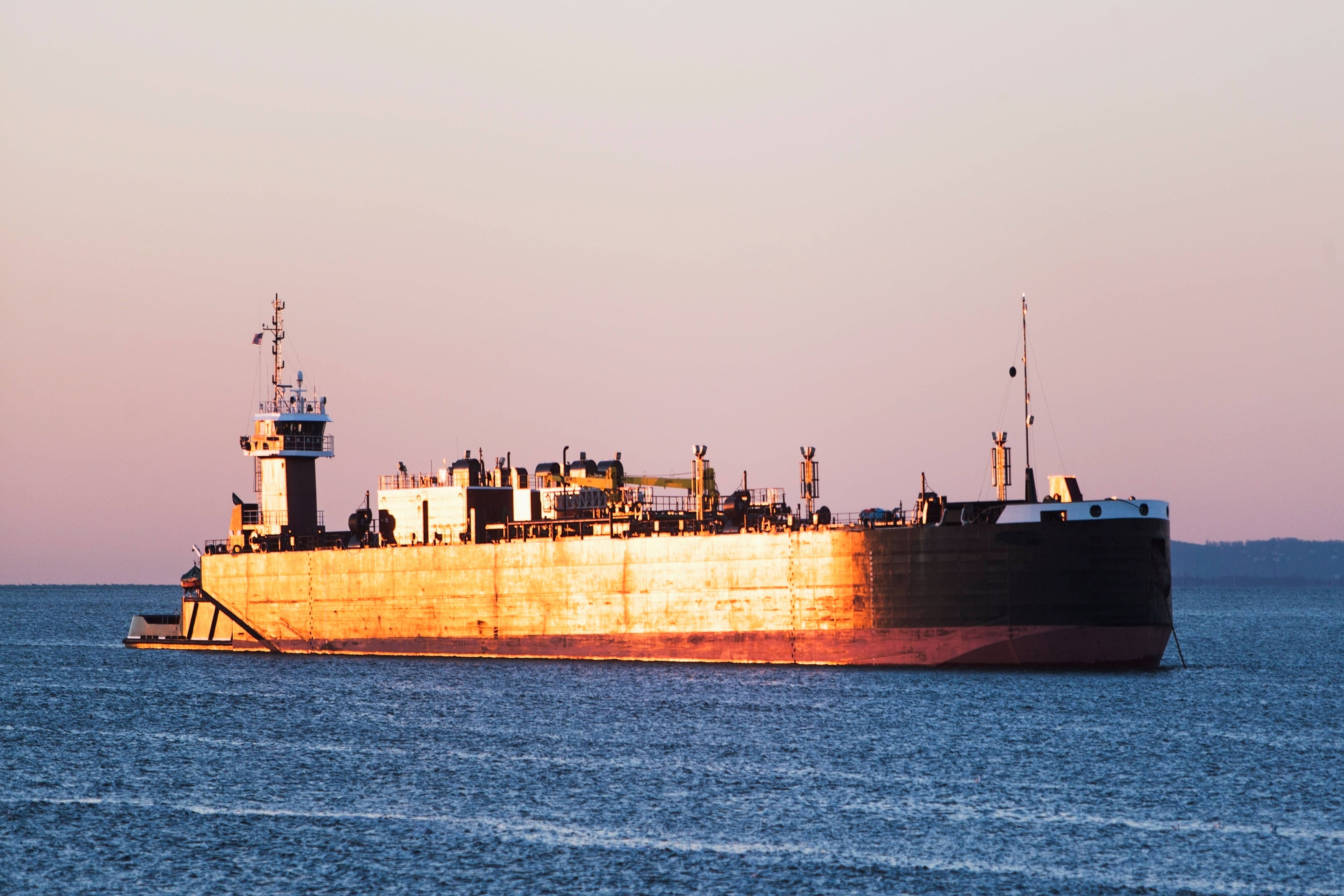
Qatar, the second-largest LNG exporter, has already halted exports of the supercooled fuel and analysts predict that the United Arab Emirates and Saudi Arabia will also have to cut production soon as they run out of oil reserves due to the closure of the Strait of Hormuz.
How governments are taking or plan to take to reduce the impact of war on their economies:
South Korea
South Korean President Lee Jae Myung said on Monday that authorities would cap domestic fuel prices for the first time in nearly 30 years. The country will also look for energy sources beyond supplies sent through the Strait of Hormuz, and a 100 trillion won ($67 billion) market stabilization program should be expanded if necessary, he added.
Japan
The Japanese government ordered a national oil reserve storage site to prepare for a possible release of crude, Akira Nagatsuma, a member of the opposition Centrist Alliance for Reform party, told Reuters on Sunday.
Details such as the timing of the launch are still unclear, Nagatsuma said.
Vietnam
Vietnam plans to remove fuel import tariffs to ensure supplies amid disruptions, the government said, adding that the measure is expected to last until the end of April.
Indonesia
Indonesia will increase the amount it has allocated to fuel subsidies in its state budget, its finance minister said on Monday.
Currently, the country has budgeted 381.3 trillion rupees ($22.5 billion) for energy subsidies and to compensate state-owned company Pertamina and utility company PLN for their efforts to keep some fuel prices and electricity tariffs at an affordable level.
Porcelain
China has asked refiners to stop signing new contracts to export fuel and to try to cancel shipments already committed, sources with knowledge of the matter said last week.
The guidance does not apply to refueling of jet fuel on international flights, bonded bunkering or supply to Hong Kong or Macau, they said.
Bangladesh
Bangladesh will close all universities from Monday, bringing forward the Eid al-Fitr holiday as part of emergency measures to conserve electricity and fuel.