Britain's inflation rate has seen a notable decline, although experts warn that this positive change may only be a temporary pause.
Some experts describe it as the “calm before the storm” as the ongoing conflict involving Iran threatens to raise costs for households and businesses.
The Office for National Statistics (ONS) reported that Consumer Price Index (CPI) inflation fell to 2.8 per cent in April, a significant drop from 3.3 per cent in March. This marks the lowest level of inflation recorded in more than a year.
Although the decline was more substantial than anticipated, economists largely agree that this downward trend offers only a brief respite.
They predict that the escalating situation in the Middle East could soon reverse this progress, causing inflation to soar again.
The immediate outlook for household finances remains precarious amid these global pressures.
What is inflation?
Inflation describes the rising cost of goods and services, and the inflation rate measures the speed at which these prices increase.
For example, April's inflation rate of 2.8 per cent means that an item priced at £100 a year ago would now cost £102.80.
While prices continue their upward trajectory, a recent drop in the Consumer Price Index (CPI) suggests that this rise is occurring at a decelerated pace compared to the previous month.
Why did inflation fall?

Get a free fractional share worth up to £100.
Capital at risk.
Terms and conditions apply.
Go to website
ADVERTISEMENT
Get a free fractional share worth up to £100.
Capital at risk.
Terms and conditions apply.
Go to website
ADVERTISEMENT
April's inflation drop was the biggest in more than 18 months and came as a drop in energy prices offset rising fuel costs caused by the Iran war.
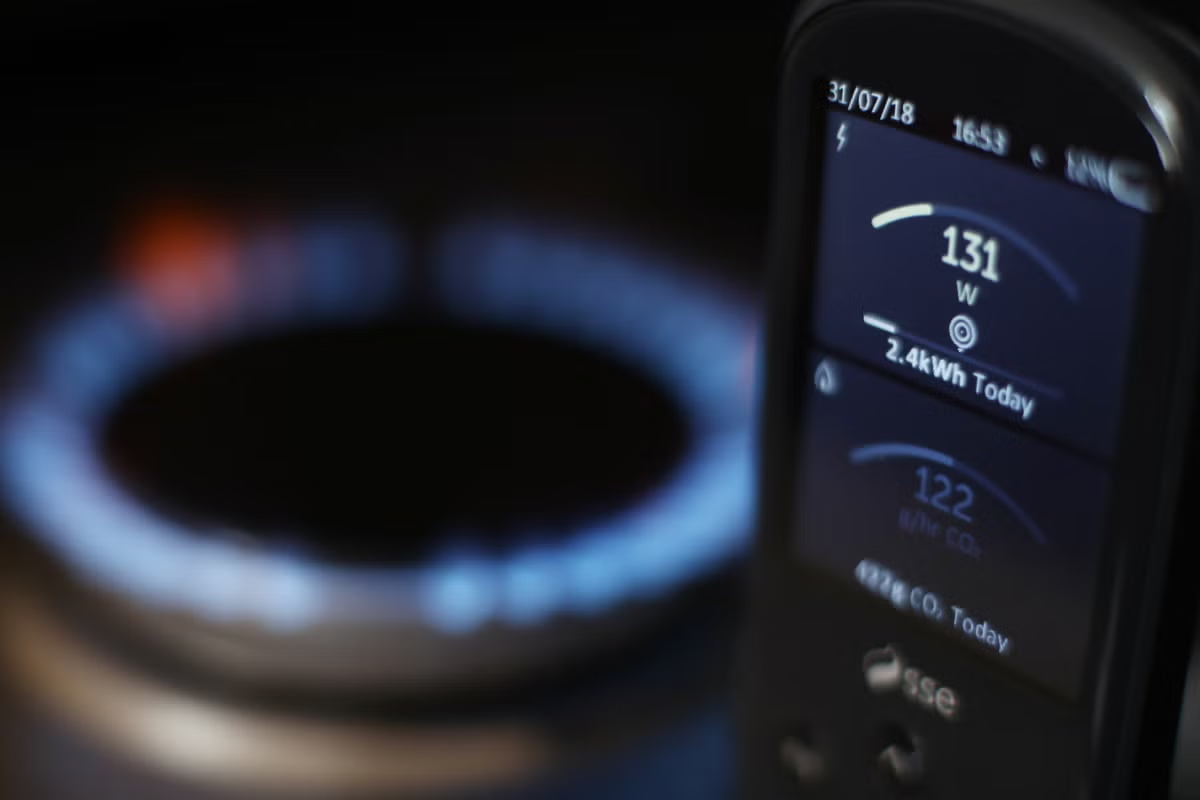
A big driver of the slowdown came from Ofgem reducing its energy price cap from the beginning of April by 7 per cent, or £10 a month, for the average household using both electricity and gas, which was pressured down by government measures to reduce bills.
This included shifting 75 per cent of the cost of the UK's renewable energy bond from household bills to general tax, and scrapping the energy company bonding scheme.
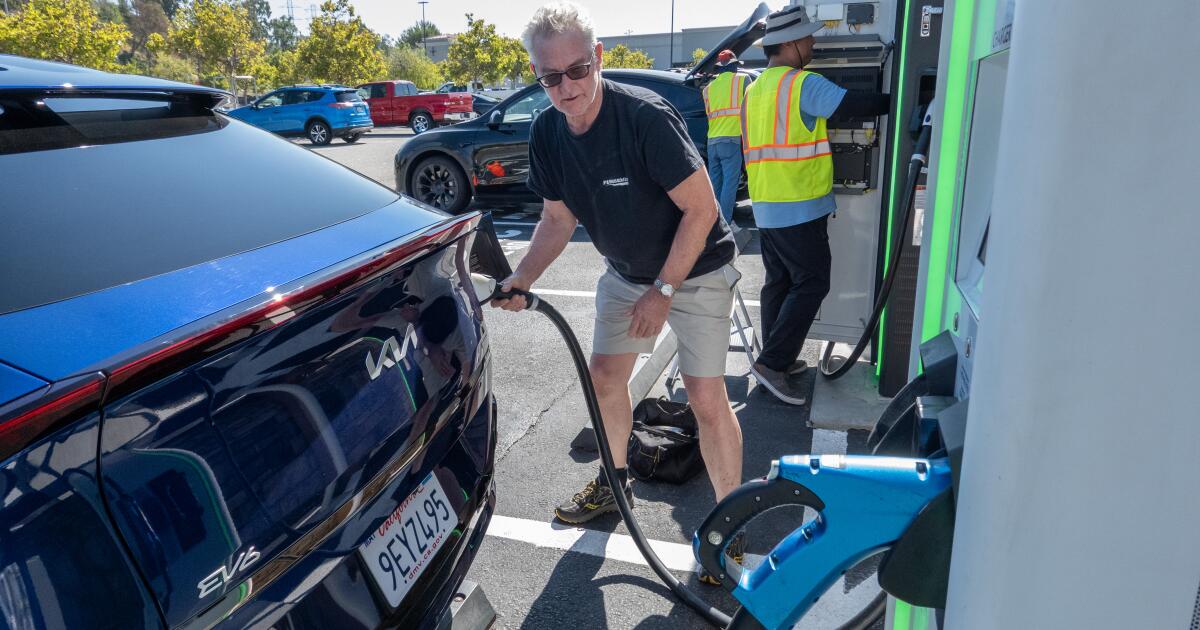
This helped offset fuel prices, which rose further in April after the Iran war sent global oil prices above US$100 per barrel.
The ONS said average petrol prices rose 16.6 pence last month to 156.8 pence, the highest since November 2022.
Diesel soared 31.3p to 190p a liter last month, which was also the highest since 2022 following the Ukraine war.

Will low inflation last?
Experts have warned that inflation will rise as the Iran war – and the blockade of the crucial Strait of Hormuz shipping route – continue to drive up wholesale oil and gas prices, with the energy price cap expected to rise significantly from July.
The latest predictions from Cornwall Insight analysts suggest the cap price could rise by 13 per cent, or £209, to £1,850 a year from July 1 for a typical dual-fuel home.
There are also concerns that higher fuel and energy prices will soon begin to affect food costs and the price of other goods, as manufacturers, suppliers and retailers pass them on to consumers.
How far could inflation go?
Last month, the Bank of England forecast that inflation could rise as high as 6.2 percent in a worst-case scenario if the Iran war is not resolved.
In its most benign predictions, the Bank said inflation would peak at 3.6 percent later this year.
ING economists predict inflation will reach just under 4 percent later in 2026.
What does all this mean for interest rates?
The Bank of England has signaled it may need to raise interest rates above the current 3.75 percent to control inflation.
But weaker CPI data for April, combined with Tuesday's official figures showing weaker wage growth and a cooling labor market, could cause the Bank to hold off on raising rates.
The International Monetary Fund said on Monday it believed UK rates could be maintained through 2026 and still see inflation return to the 2 percent target by the end of 2027.
What is the Government doing to help?
Chancellor Rachel Reeves is expected to outline a cost-of-living support package on Thursday.
This will reportedly lead her to scrap a planned increase in fuel taxes from September, along with possible targeted measures on the cost of energy.