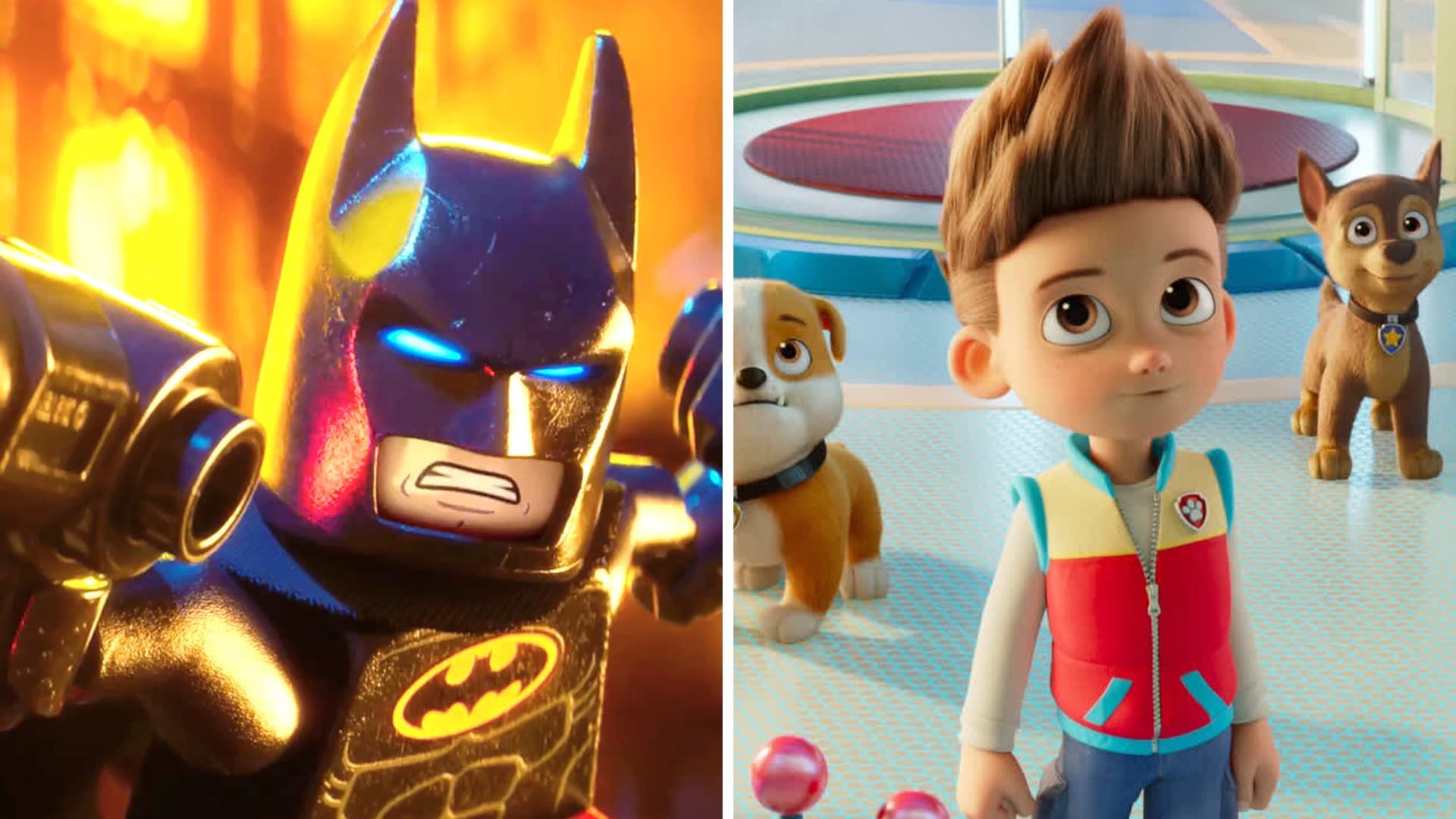
Source: Warner Bros. | Supreme
When Paramount Skydance combines with the Warner Bros. film studio, it will have a host of notable franchises and established prestige. What the powerhouse duo will be missing is a slate of animated films that could rival Hollywood giants like disney and Universal.
The combined entity, which is still awaiting regulatory approval, has a slew of products including DC superhero merchandise, a Minecraft sequel, another Sonic the Hedgehog movie, and new entrants to the Lord of the Rings universe. Not to mention, Warner Bros. just tied the record for most Academy Awards for a single studio earlier this month.
But it has been children's animated content that increasingly brings families to the movies, and neither studio has excelled in this area in the last decade.
Since 2016, Paramount and Warner Bros. have each released eight animated films on the big screen, with Paramount generating $1.1 billion in total worldwide ticket sales from the category and Warner Bros. adding $1.3 billion, according to Comscore data.
During that time, only one Paramount animated film has made more than $200 million worldwide: 2023's “Paw Patrol: The Mighty Movie,” and only one Warner Bros. animated title has made more than $300 million globally: 2017's “Lego Batman.”
For comparison, in the last decade Disney released 21 animated films and grossed $14.1 billion from the films; Universal released 23 animated films to the tune of $10.7 billion; and Sony released 16, generating $4.6 billion in ticket sales.
Disney has seen seven animated films make more than $1 billion globally during that time, and Universal has seen two.
These figures do not include live-action films with animated elements such as Paramount's Sonic franchise, Universal's “Gabby's Dollhouse” or Disney's “Mufasa: The Lion King,” which the studio considers a live-action film. They also do not include animated films released on streaming during the pandemic that were later brought to theaters such as Disney's “Soul,” “Luca” and “Turning Red.”
“When the movie world is operating at or near peak efficiency, it's virtually always due to a diverse slate of releases that includes one or more films aimed primarily at kids and families,” said Shawn Robbins, director of analytics at Fandango and founder of Box Office Theory. “Animation, in most cases, directly serves that audience while also providing an anchor that studios and theater owners can rely on.”
Together, Paramount and Warner Bros. accounted for 27% of the domestic box office in 2025, just shy of Disney's 28% market share.
“As Paramount and Warner Bros. merge, it becomes even more essential that their combined resources be strategically directed toward developing a strong portfolio of animated films,” said Paul Dergarabedian, head of market trends at Comscore.
“Animated film releases are crucial for any film studio and require a well-thought-out strategy, whether they be original projects, extensions of existing intellectual property, or reboots of beloved legacy franchises,” he added.
Over the past two years, the PG-rated family film has won at the box office, outperforming PG-13 and R-rated films, Comscore data shows.
“This rating is significant because it allows these films to appeal to a broader audience, making them true four-quadrant releases with the highest box office potential of almost any genre in today's film market,” Dergarabedian said.
Additionally, animated films are typically not a priority at the box office, Robbins noted, meaning they consistently generate ticket sales over the course of their theatrical run, gaining word of mouth.
A typical Hollywood movie will see a 50% to 70% drop in sales from opening weekend to the second weekend after the rush to the movies wears off. Animated features don't always experience the same cliff.
For Disney's “Hoppers,” for example, the opening week drop was less than 37% and the second week drop was less than 38%.
“Not all animated releases are as successful as others, but they can be incredibly valuable with their long-term earnings potential along with ancillary income through merchandising, rentals and window shopping, and other non-theatrical financial opportunities,” Robbins added.
Working in favor of Paramount and Warner Bros.: they already have a lucrative animated intellectual property. The combined library features SpongeBob SquarePants, The Smurfs, Paw Patrol, Ninja Turtles, and DC superheroes.
Disney and Universal have had success over the last decade balancing new titles with sequels. For Disney, it has introduced stories like “Coco,” “Zootopia” and “Enchantment” along with “Frozen II,” “Toy Story 4” and “Inside Out 2.” At Universal, box office newcomers like “Sing,” “The Secret Life of Pets” and “Migration” and returning favorites like “Kung Fu Panda 4,” “Despicable Me 4” and “The Bad Guys 2” have hit the box office.
“It will be important for a newly formed Paramount/WBD combination to not only expand these brands but also develop new animated properties to have the best opportunity to capture its share of the massive box office potential for this extremely popular and competitive film category,” Dergarabedian said.
Disclosure: Versant is the parent company of CNBC and Fandango.