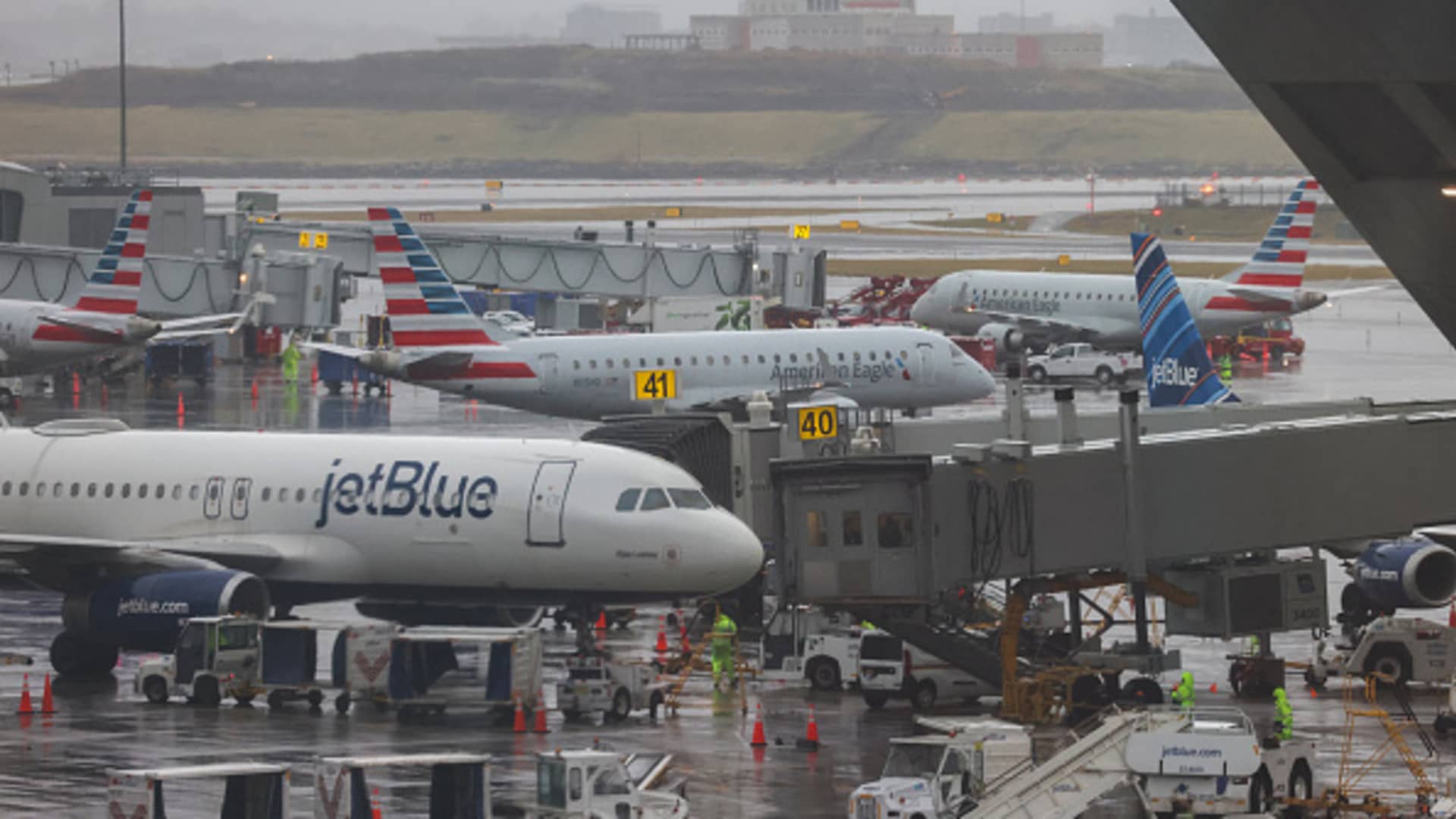
EasyJet has announced higher losses over the winter “affected by the conflict in the Middle East and the competitive environment in some markets”.
In a trading update at the end of the October 2025 to March 2026 period, Britain's largest low-cost airline said it expects “an overall pre-tax loss of between £540 million and £560 million for the first half of its financial year.”
But the airline says it is in good shape to weather geopolitical uncertainty. The airline paid an extra £25m for fuel during March, equivalent to £560 per second. Seventy percent of its summer fuel is “covered,” meaning at lower prices.
Kenton Jarvis, the airline's chief executive, said there were no immediate concerns about the availability of jet fuel. In March he said the independent easyJet was confident there would be no supply problems until mid-April. Speaking to reporters today, he said: “We have visibility until mid-May and we have no concerns.”
In early April, Michael O'Leary, chief executive of Ryanair, warned on Sky News: “If the war continues, we risk supply disruptions to Europe in May and June and obviously we hope that the war will end sooner and the risk to supply will be removed.”
easyJet's chief executive said demand from Cyprus, Türkiye and Egypt had returned after a reduction following an Iranian attack on the British Akrotiri base in Cyprus. Western Mediterranean destinations are proving stronger. In addition, he said there had been “a general shortening of the booking period”, with passengers booking later.
Overall, he said: “EasyJet experienced continued positive demand in the first half, driven by our high-value flights and holidays, along with a continued focus on our operations and customer experience.
“Despite these positives, our financial performance in the first half worsened year on year, affected by the conflict in the Middle East and the competitive environment in some markets. Following our busiest Easter holiday period to date, the operational ramp-up towards the summer peak continues as planned.
“EasyJet's financial strength thanks to our investment grade balance sheet and £4.7bn of liquidity means we are well positioned to meet the current geopolitical challenges while continuing to focus on our medium-term objectives.”
The airline's load factor (the proportion of seats occupied) increased between 2 percent and 90 percent during the six winter months.
Read more: No aviation fuel crisis for the UK (yet), but some key questions and answers just in case