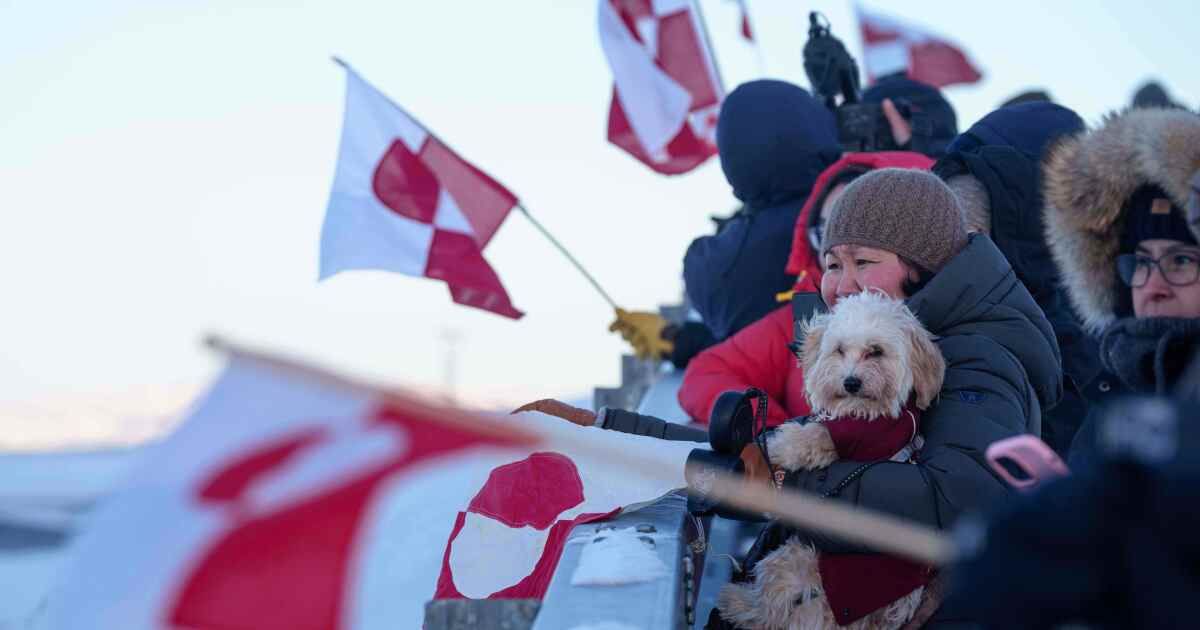
NUUK, Greenland — A year ago, days before Donald Trump regained power, the leader of the Danish People's Party took a trip to Mar-a-Lago. Morten Messerschmidt thought he and Trump shared a common view on the dangers of European integration. Together, he told local media at the time, they could make the West great again.
In Europe, as in the United States, Messerschmidt believed that it was “nationale suverænitet” (national sovereignty) that for centuries had given countries large and small the tools to build their culture, traditions, and institutions. These were the values that conservative movements across the European continent are fighting to protect.
But Messerschmidt is now on the defensive. The far-right politician is suddenly distancing himself from an American president who, off and on over the past year, has taken aggressive moves to annex Greenland, targeting Danish borders that have existed for about 300 years.
Trump backed off military threats against the island this week. “It's all access, there's no end,” he said in an interview Thursday with Fox Business. Asked if he still intended to acquire the island, Trump responded: “It's possible. Anything is possible.”
Despite Trump's fixation on Greenland since his first term, he refused to meet with Messerschmidt at Mar-a-Lago last January. Instead, the Danish politician found himself discussing the matter with Marla Maples, the president's ex-wife.
“Portraying me as someone who serves a cause other than Denmark and would sympathize with threats to our kingdom is unhealthy,” Messerschmidt wrote on Facebook this weekend. “It is a slander.”
The Danish People's Party is one of many far-right groups across Europe, which aligned itself with Trump's MAGA movement in its fervent opposition to immigration and related issues, and suddenly rebelled against an administration it once considered an ideological ally.
The president's actions are now forcing them to reconcile their alliance with Trump with a central tenet of the political right, that nationalism is largely defined by people and place across historical periods, or as Trump often said on the campaign trail, “without a border, you don't have a country.”
“Donald Trump has violated a fundamental campaign promise: namely, not to interfere in other countries,” Alice Weidel, co-leader of Germany's far-right Alternative for Germany (AfD) party, said in Berlin. His colleague added: “It is clear that the methods of the Wild West must be rejected.”
The breakup could jeopardize the Trump administration's own stated goals for a future Europe that is more conservative and aligned with the Republican Party, a plan that relied on boosting the same parties that now question their ties to the president.
In its national security strategy, released in November, the White House said it would “cultivate resistance to Europe's current trajectory within European nations,” hoping to restore “Europe's civilizational self-confidence and Western identity.”
And it's unclear whether the president's decision to back down on his most aggressive threats is enough to contain the diplomatic damage. “The process of reaching this deal has clearly damaged trust between allies,” Rishi Sunak, former UK prime minister and leader of its Conservative Party, told Bloomberg on Thursday.
Trump's pressure campaign urging Ukraine to accept borders redrawn by a revanchist Russia had already strained relations between his inner circle and far-right movements in Europe. But several prominent right-wing leaders say his aggressive stance toward Greenland was a bridge too far.
In Switzerland on Wednesday, addressing growing concerns about the plan, Trump still left threats hanging in the air, warning European leaders that he would “remember” if they blocked a U.S. takeover.
“Friends can disagree in private, and that's okay; that's part of life, part of politics,” Nigel Farage, leader of Britain's far-right Reform UK party, told House Speaker Mike Johnson in London earlier this week. “But to have a president of the United States threatening to impose tariffs unless we agree that he can seize Greenland in some way, without even appearing to get the consent of the people of Greenland, I mean, it's a very hostile act.”
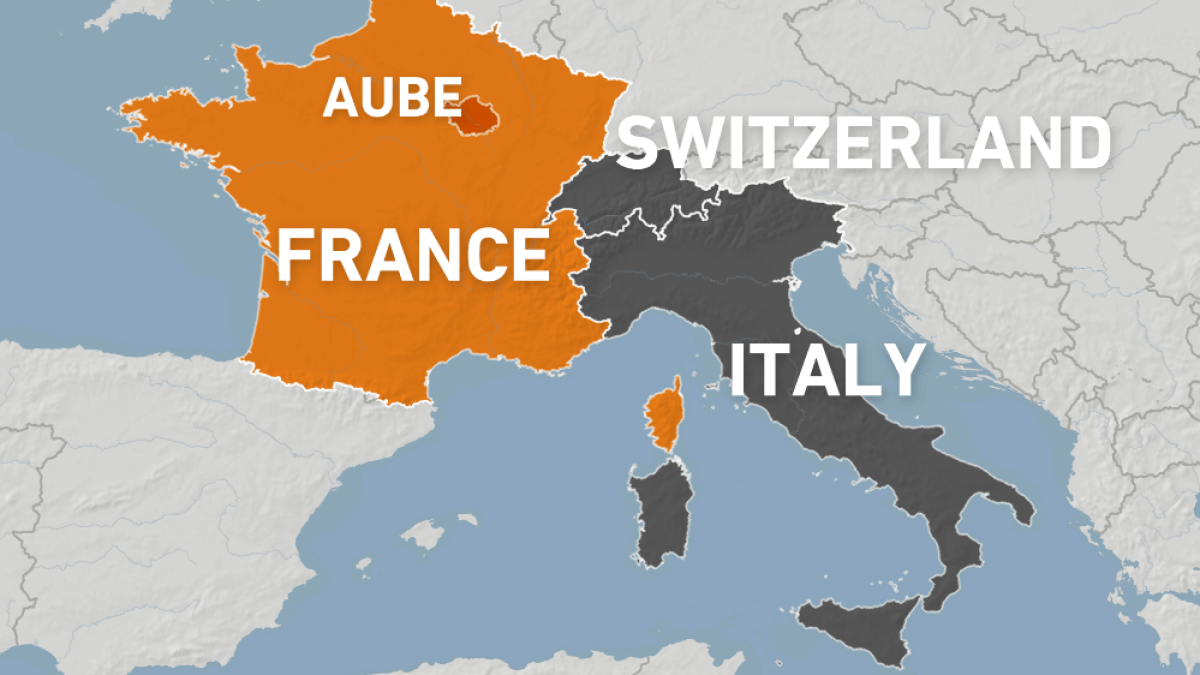
In France, the leader of Marine Le Pen's far-right National Rally party said the United States had presented Europe with “a choice: accept dependency disguised as partnership or act as sovereign powers capable of defending our interests.”
With overseas territories in the Pacific, Caribbean and Indian Oceans, France has the second-largest exclusive maritime economic zone in the world after the United States. If Trump can seize Greenland by force, what is stopping him or any other great power from conquering the islands of France?
“When an American president threatens a European territory while using trade pressure, it is not dialogue, it is coercion. And our credibility is at stake,” said the party's young leader, Jordan Bardella.
“Greenland has become a strategic pivot in a world returning to imperial logic,” he added. “Giving in today would set a dangerous precedent.”