US President Says EU 'Not Delivering' on Current Trade Deal; launches latest tariffs amid global economic uncertainty.
Published May 1, 2026
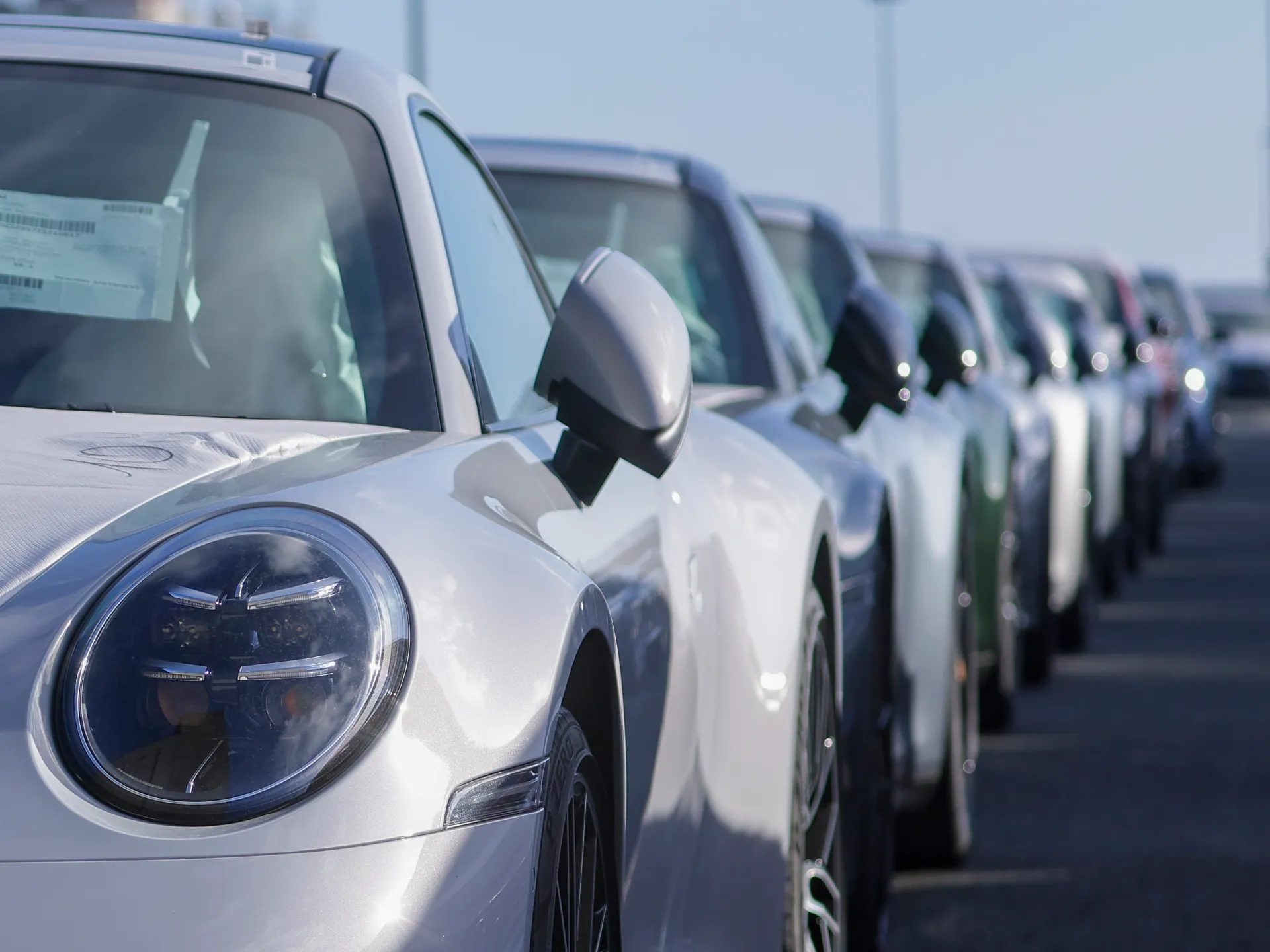
US President Donald Trump has said he will increase tariffs on cars from the European Union to 25 percent.
Friday's announcement could shake the global economy at a time when it is already fragile from the effects of the US-Israel war against Iran.
Recommended stories
list of 3 itemsend of list
It came months after the US and EU forged a trade deal in which Trump imposed sweeping reciprocal tariffs on trading partners around the world. The deal set tariffs on most products at 15 percent, less than the 30 percent Trump had previously threatened.
In a post on Truth Social, Trump accused the EU of “failing to deliver on our fully agreed upon trade deal,” without providing further details.
Trump added that he “fully understood and agreed that if they produce cars and trucks in US plants, THERE WILL BE NO TARIFFS.”
The European Union did not immediately respond to the announcement.
Meanwhile, the president of the German automobile association VDA, Hildegard Mueller, urged the United States and the EU to respect the existing trade agreement and quickly resolve the issue.
Mueller said the cost of additional tariffs would be enormous and would likely hit American consumers.
The US-EU deal, called the Turnberry Agreement after Trump's golf course in Scotland, had already been called into question after the US Supreme Court ruled that Trump lacked the authority to declare a national emergency that would justify many of his tariffs.
The ruling reduced the EU tariff ceiling to 10 percent.
Still, both sides seemed committed to the deal before Trump's announcement.
The EU had said it expected the bilateral deal would save European carmakers between 500 million and 600 million euros ($587 million and $704 million) a month.
Trump said the new tariff rate would take effect next week.
The US president launched his aggressive tariff campaign last year, framing the move as a hard reset to boost domestic industries.
Experts have said progress toward that goal has been largely modest, while critics have noted that the tariff rates have been paid by U.S. companies, which then pass the costs on to consumers.
Following a court order, the Trump administration was expected to soon begin issuing the first of an estimated $166 billion in tariff refunds to companies that directly paid the tariffs.