- The Treasury Department accuses the forces of being architects of the repression.
- US says tracking funds from Iranian leaders transferred to banks.
- Trump questions Reza Pahlavi's ability to gain support in Iran.
The United States on Thursday imposed sanctions on five Iranian officials it accused of being behind the crackdown on protests and warned it was tracking fund transfers from Iranian leaders to banks around the world, as US President Donald Trump's administration ramps up pressure on Tehran.
The US Treasury Department, in a statement, said it imposed sanctions on the Secretary of the Supreme Council for National Security, as well as the commanders of the Islamic Revolutionary Guard Corps and law enforcement, accusing them of being the architects of the repression.
Treasury Secretary Scott Bessent said in a video Thursday that Washington's message to Iran's leaders was clear: “The U.S. Treasury knows that, like rats on a sinking ship, they are frantically transferring funds stolen from Iranian families to banks and financial institutions around the world. Rest assured, we will track them and you.”
“But there is still time, if you decide to join us. As President Trump has said, stop the violence and stand with the people of Iran.”
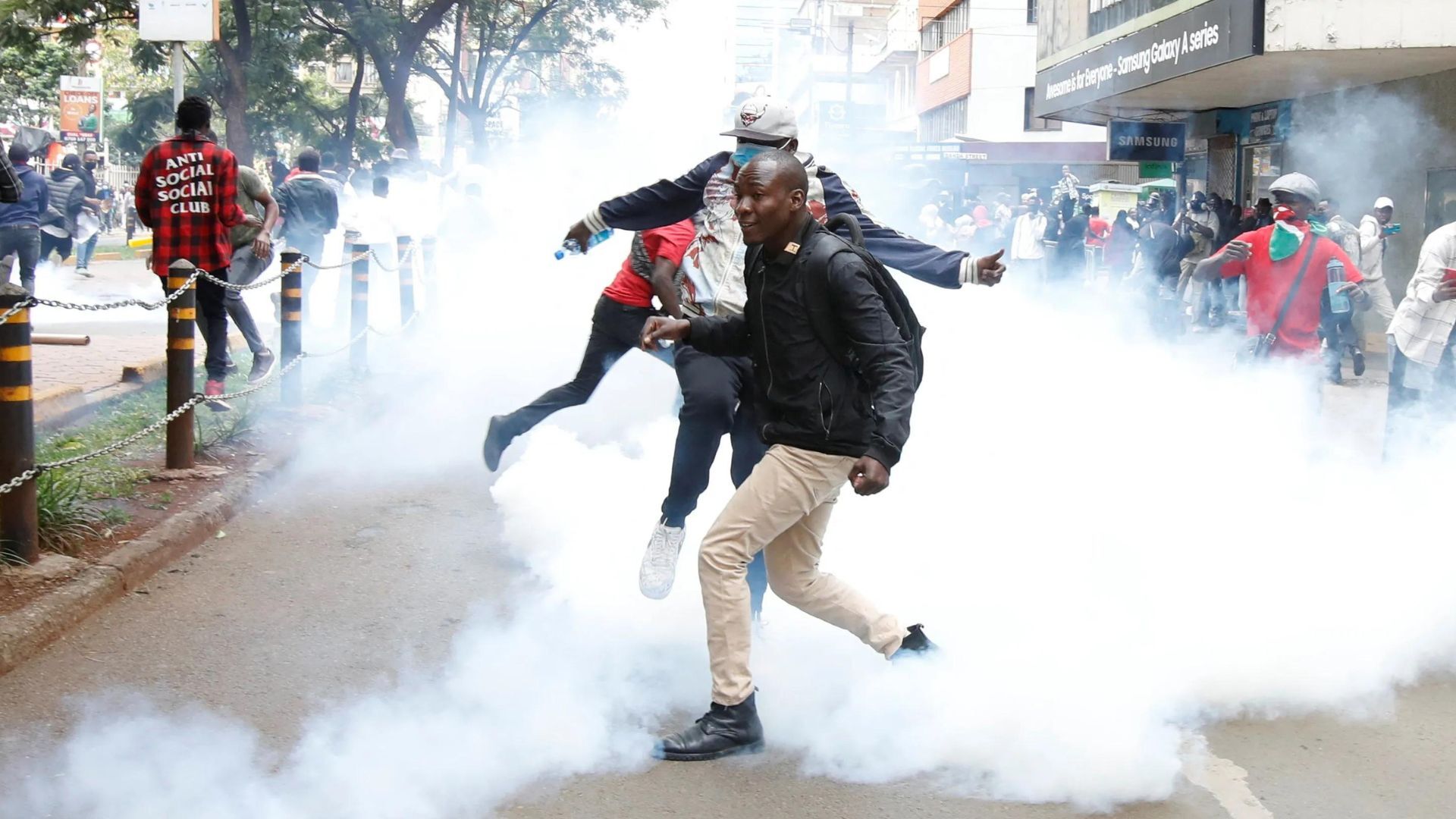
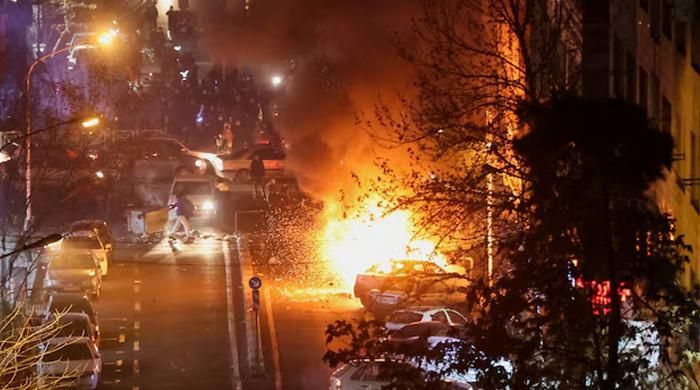
The unrest in Iran began with protests over rising prices before becoming one of the biggest challenges to the establishment since the 1979 Islamic Revolution.
Trump has repeatedly threatened to intervene on behalf of protesters in Iran, where the establishment has harshly cracked down on nationwide unrest since December 28.
“The United States stands firmly with the Iranian people in their call for freedom and justice,” Bessent said in the statement. “Treasury will use every tool to attack those behind the regime's tyrannical oppression of human rights.”
The Treasury also imposed sanctions on 18 people it accused of being involved in laundering profits from sales of Iranian oil and petrochemicals to foreign markets as part of “shadow banking” networks of sanctioned Iranian financial institutions.
Thursday's action is the latest move aimed at Tehran since Trump reinstated his “maximum pressure” campaign on Iran, which includes efforts to reduce its oil exports to zero and help prevent Tehran from developing a nuclear weapon.
Trump questions Pahlavi's ability to lead Iran
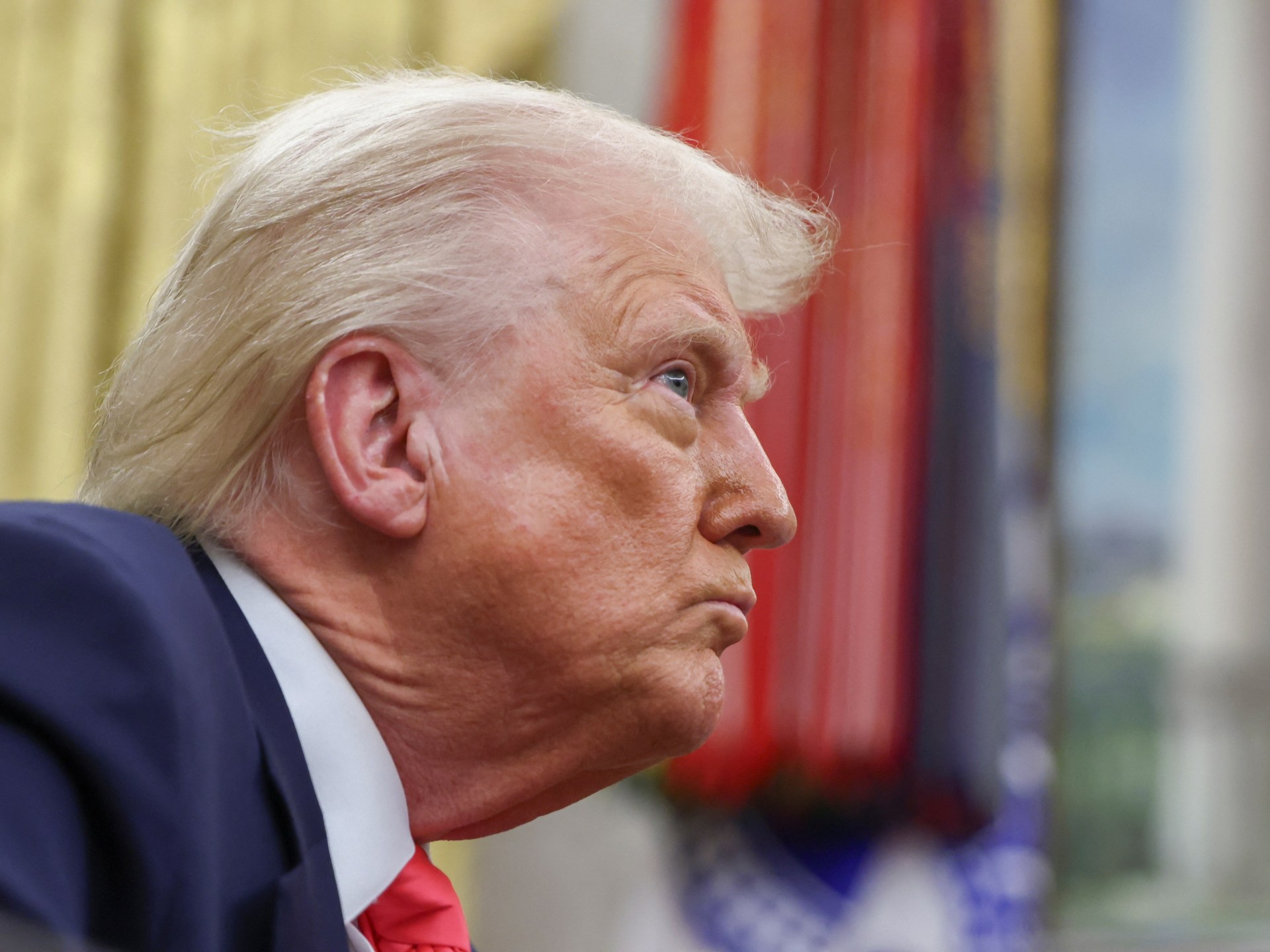
On the other hand, Trump – exclusively Reuters interview in the Oval Office, he said that Iranian opposition figure Reza Pahlavi “seems very likeable,” but expressed uncertainty about whether Pahlavi would be able to rally support within Iran to eventually assume power.
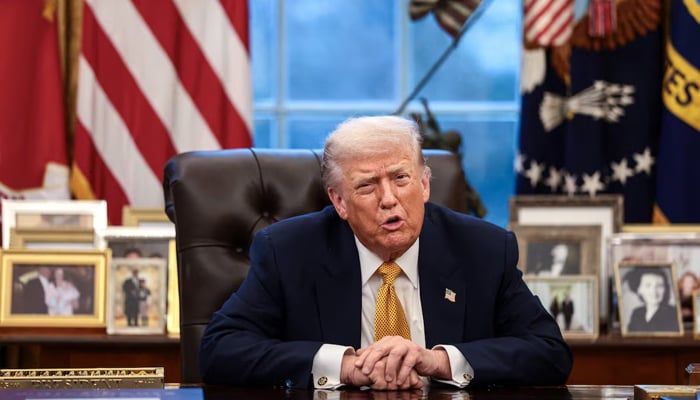
“He seems very nice, but I don't know how he would behave inside his own country,” Trump said. “And we're really not there yet.
“I don't know whether or not your country would accept your leadership, and certainly if they did, that would be fine with me.”
Trump's comments went further to question Pahlavi's ability to lead Iran, after he said last week that he had no plans to meet with him.
Pahlavi, 65, based in the United States, has lived outside Iran since before his father was overthrown in the 1979 Islamic Revolution and has become a prominent voice in the protests.
Echoing Trump's caution, Sanam Vakil, deputy director of Chatham House's Middle East and North Africa Programme, said Pahlavi had gained prominence among some protesters and had helped mobilize them to some extent. “But I wouldn't exaggerate. It's very difficult to see how much support he has or how much support any figure in Iran has,” he said.
Trump said it is possible that the government in Tehran could fall because of the protests, but that in truth “any regime can fail.”
“Whether it falls or not, it's going to be an interesting period of time,” he said.