- The concentration of the US Navy near Iran increases regional tensions.
- Iranian leaders in Tehran want sanctions lifted.
- He says he will show flexibility in uranium enrichment.
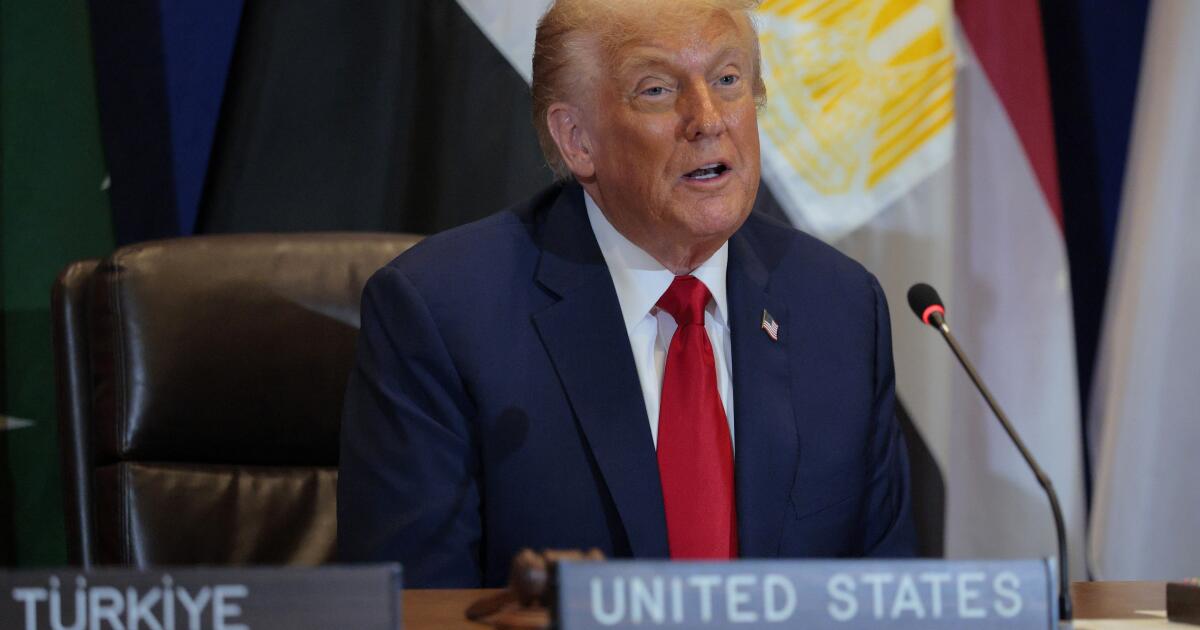
US President Donald Trump said on Friday that Washington had had “very good talks” on Iran, after the two sides held indirect talks in Oman that could prevent an escalation of tensions.
“We also had very good conversations about Iran, it seems like Iran is very eager to get a deal done,” Trump told reporters aboard Air Force One en route to his Mar-a-Lago resort in Florida over the weekend.
“We will meet again early next week,” he added.
Asked how long he was willing to wait to reach a deal on Iran, Trump said: “Well, you have to get in position. We have plenty of time.”
Earlier, Iran's top diplomat said Oman-brokered nuclear talks with the United States were off to a “good start” and would continue, in comments that could help allay concerns that failing to reach a deal could push the Middle East closer to war.
But Foreign Minister Abbas Araqchi said after talks in Muscat, Oman's capital, involving him, U.S. special envoy Steve Witkoff and President Trump's son-in-law Jared Kushner, that “any dialogue requires refraining from threats and pressure. (Tehran) is only discussing its nuclear issue… We do not discuss any other issues with the United States.”
While both sides have indicated they are willing to revive diplomacy over Tehran's long-running nuclear dispute with the West, Washington wanted to expand talks to cover Iran's ballistic missiles, support for armed groups in the region and “treatment of its own people,” U.S. Secretary of State Marco Rubio said on Wednesday.
A regional diplomat briefed by Tehran on the talks told Reuters that Iran insisted on its “right to enrich uranium” during negotiations with the United States, adding that Tehran's missile capabilities were not discussed in the discussions.
Iranian officials have repeatedly ruled out putting Iran's missiles – one of the largest arsenals of its kind in the Middle East – up for discussion and have said Tehran wants its right to enrich uranium recognized.
Trump increased pressure on Iran on Friday with an executive order imposing a 25% tariff on imports from any country that “directly or indirectly” buys goods from Iran, making good on a threat he made last month.
The White House has said the move is aimed at deterring third countries from maintaining trade ties with Iran, particularly in energy, metals and petrochemicals, sectors that remain key sources of revenue for the Iranian government.
Tehran open to discussing enrichment level: source
While Iran dismissed Washington's demand not to carry out any enrichment on its territory, the diplomat who asked not to be identified said Tehran showed openness to discussing the “level and purity” of enrichment or alternative arrangements, including a potential regional consortium.
In return, Iran had several demands, such as “efficient and immediate relief from sanctions, including banking and oil sanctions, and the transfer of US military assets out of Iran.”
For Washington, carrying out uranium enrichment – a possible path to nuclear bombs – inside Iran is a red line. Tehran has long denied any intention to weaponize nuclear fuel production.
However, the diplomat said, Tehran believed that American negotiators “seemed to understand Iran's position on enrichment.”
Araqchi earlier told Iranian state television that “it was a good start to the negotiations.”
“And there is an agreement on the continuation of talks. Coordination on how to proceed will be decided in the capitals,” Araqchi said. “If this process continues, I think we will reach a good framework for an understanding.”
Talks were 'very serious', says Oman
Mediator Badr al-Busaidi, Oman's foreign minister, said the talks had been “very serious” and the results needed to be carefully considered in Tehran and Washington. The goal was to meet again in due time.
Despite the talks, the United States announced Friday that it would sanction 15 entities and 14 shadow fleet vessels linked to the illicit trade in Iranian oil, petroleum products and petrochemicals, the latest U.S. economic measures targeting Tehran and trade with it.
Iran's leaders remain deeply concerned that Trump could carry out his threats to attack Iran after a US naval buildup in the region's seas.
Last June, the United States attacked Iranian nuclear targets, joining the final stages of a 12-day Israeli bombing campaign. Tehran has since said it has stopped uranium enrichment activity.
The naval buildup, which Trump has called a massive “armada,” followed a bloody government crackdown on nationwide protests in Iran last month, raising tensions between Washington and Tehran.
Trump has said “bad things” will likely happen if a deal cannot be reached, increasing pressure on the Islamic Republic in a standoff that has led to mutual threats of airstrikes.
Fears of conflict
World powers and regional states fear that a breakdown in negotiations would spark another conflict between the United States and Iran that could spread to the rest of the oil-producing region.
Iran has promised a tough response to any attack and has warned neighboring Arab Gulf countries that host US bases that they could be in the line of fire if they were involved in an attack.
In a show of defiance, Iranian state television said hours before the talks that “one of the country's most advanced long-range ballistic missiles, the Khorramshahr-4,” had been deployed to one of the Revolutionary Guard's underground “missile cities.”