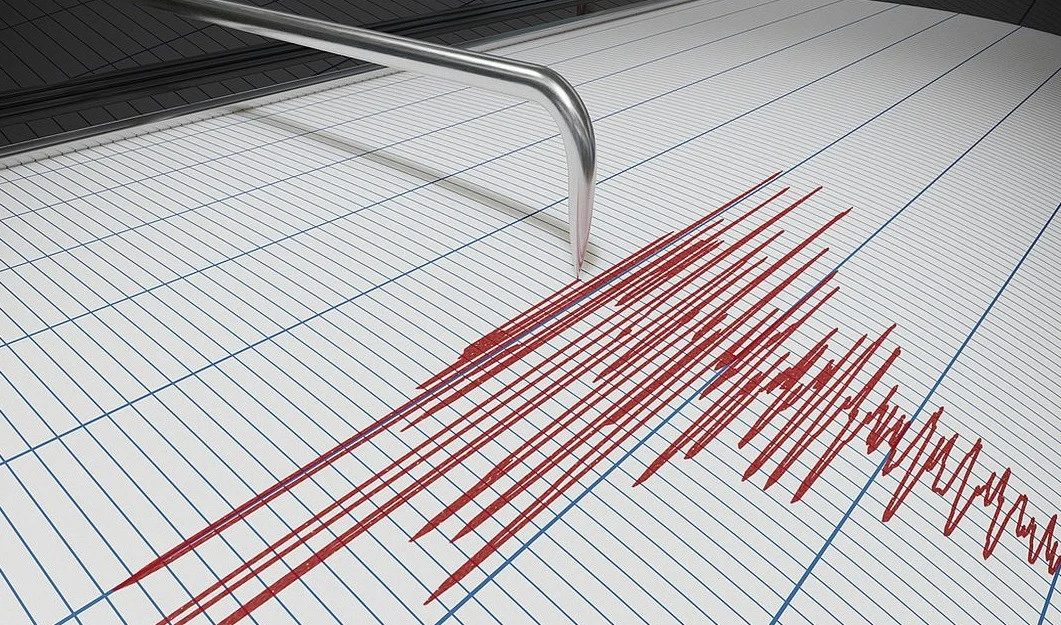
A strong earthquake struck the northern Japanese island of Hokkaido early Monday, the U.S. and Japanese weather agencies reported, the latest in a series of powerful tremors to hit the island nation.
The magnitude 6.2 earthquake occurred at 5:23 a.m. (9:23 p.m. GMT Sunday) in the southern region of Hokkaido, at a depth of 83 kilometers (52 miles), the Japan Meteorological Agency reported, revising its preliminary estimate of magnitude 6.1.
No tsunami warning was issued, JMA said, and the U.S. Geological Survey predicted that property damage and threat to life would be minimal, given the limited population of the region, about 200 kilometers east of Sapporo.
But “in areas that experienced strong shaking, the danger of falling rocks and landslides has increased,” a JMA official told reporters.
JMA also warned that the risks of experiencing more earthquakes of similar strength in the area over the next week are high.
Hours earlier, a magnitude 5.0 earthquake had occurred in the sea, a few hundred kilometers south of Hokkaido.
The tremors come less than a week after the JMA warned of an increased risk of a megaquake (magnitude 8.0 or stronger) following last Monday's 7.7 earthquake off northern Iwate Prefecture.
Six people were injured as a result of that earthquake, which shook large buildings in Tokyo, hundreds of kilometers from the epicenter.
Additionally, tsunami waves of 80 centimeters (31 inches) hit a port in Iwate, while small waves also hit other parts of northern Japan.
Subsequently, the JMA stated, “the probability of a new large-magnitude earthquake occurring is relatively higher than in normal times.”
Japan is one of the most seismically active countries in the world and sits on four major tectonic plates along the western edge of the Pacific “Ring of Fire.”
The archipelago, home to about 125 million people, typically experiences about 1,500 tremors each year and accounts for about 18% of the world's earthquakes.
Japan is haunted by the memory of a massive magnitude 9.0 undersea earthquake in 2011, which triggered a tsunami that killed or left missing about 18,500 people and caused a devastating meltdown at the Fukushima nuclear plant.