People heading to Yosemite to escape urban congestion were furious this weekend as they waited in a seemingly endless line of cars at the park entrance.
Inside, they circled aimlessly around packed parking lots, looking for empty spots rather than majestic views.
Near the top of Half Dome, on the infamous steel cables that hikers use to ascend the final stretch of bare granite, another traffic jam formed, trapping people hundreds of feet in the air, according to social media posts.
Even before the summer rush, California's most visited national park is seeing big crowds — the largest crowds in a decade, according to data from the National Park System.
Wrestling critics blame the influx on the Trump administration for abandoning a reservation requirement that, over the past few years, has helped control visitor numbers and preserve a sense of natural tranquility.
California's nine national parks attracted a record 12 million visitors in 2025, more than 800,000 more than the previous record set in 2019. Yosemite accounted for more than a quarter of those visits.
This year, the pace continues, with more than half a million visits to Yosemite so far. In March, the park registered 236,000 visits, more than 45% more than in the same month of the previous year.
Yosemite National Park is enormous, covering more than 1,100 square miles on the western slope of the Sierra Nevada mountain range. Even in the height of summer, an adventurous soul willing to walk a little can spend weeks in the park and rarely see another person.
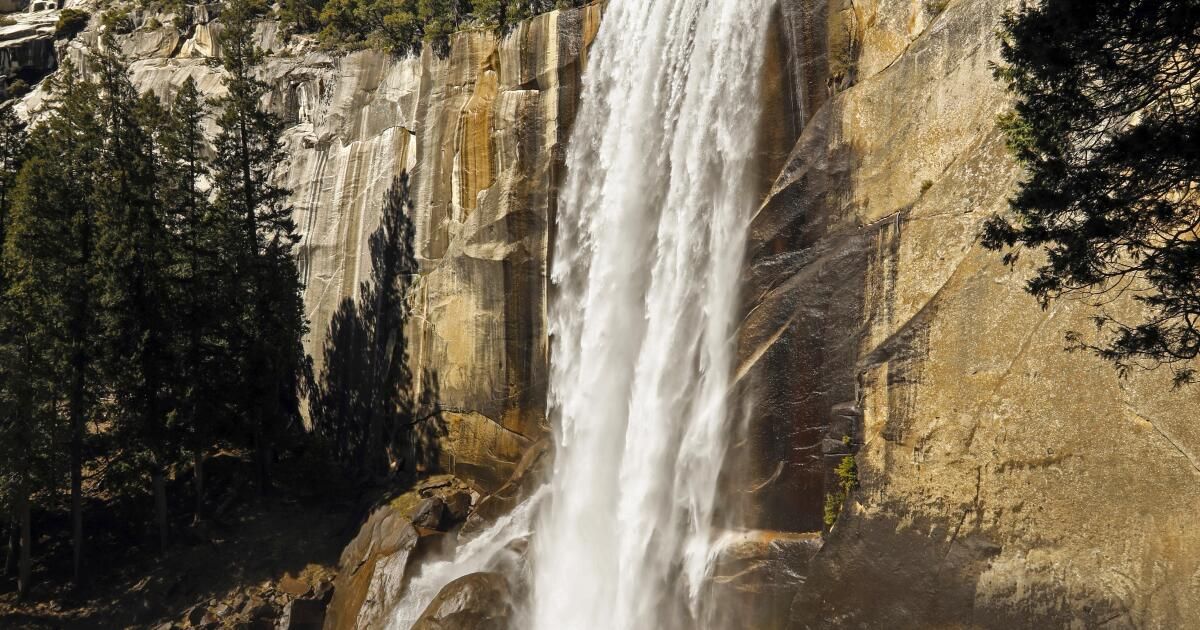
But Yosemite's most famous and Instagrammable sights—El Capitan's towering 3,000-foot granite wall, Yosemite's thundering spectacles, and Bridalveil Falls—can be enjoyed from parking lots and picnic benches in the relatively narrow confines of Yosemite Valley.
Visitors don't even have to get out of their cars to gaze wide-eyed at places they'll likely remember for the rest of their lives.
And that's the problem.
Traffic in the valley, especially on summer weekends, had become legendary by the late 2010s, inspiring op-eds with headlines like “Inside Yosemite's Traffic Collapse” and “The Siege of Yosemite Valley.”
In June 2020, to limit crowds in the early days of the COVID-19 pandemic, the park introduced a controversial system that required a reservation before entering.
That left many would-be visitors frustrated, but those lucky enough to snag a reservation enjoyed the most peaceful and serene Yosemite Valley experience in years.
Since then, the reservation system has been modified repeatedly as managers searched for a sweet spot between welcoming more visitors and preserving the peace of the outdoors.
In February, the Trump administration, which had already cut national park system staff by about 25%, eliminated the reservation system and replaced it with “targeted management” of crowds.
“We are committed to visitor access, safety and resource protection, and will continue active traffic management strategies to ensure a great visitor experience,” said Yosemite Superintendent. Ray McPadden said at the time. “While reservation systems are a valuable management tool, our data demonstrates that a season-long reservation requirement is not the most effective approach for the upcoming season.”
A crowd of tourists gather to take photographs of Yosemite Valley on March 23, 2025 in Yosemite National Park.
(George Rose/Getty Images)
But the new approach is already receiving harsh criticism and the busy season hasn't even started.
During “Firefall” in February, an annual phenomenon when sunlight falls on the water cascading from Horsetail Fall, making it glow orange and red, like molten lava, the crowds were supposedly a nightmare.
“I spent more than an hour stuck in traffic leaving the park, and leaving felt more like leaving a major sporting event than visiting a national park,” Mark Rose, senior program manager for the National Parks Conservation Association, a nonprofit dedicated to protecting the park system, wrote in a blog post.
“I saw an ambulance stuck in stopped traffic announcing through a bullhorn to pedestrians and vehicles to get out of the way,” Rose wrote. “The views were incredible, but I don't think I would ever go back without a reservation system in place.”
This left Rose worried about a return to the old days of Yosemite traffic, when visitors waited forever to get to the gate, pay the $35 entrance fee, and then run into roadblocks, with signs turning them away because the valley was too crowded.
“That was not an unusual situation,” Rose said. “Waiting in line for almost two hours to enter the park and then being stuck driving for hours trying to find parking anywhere within the park.”
Over the weekend, the wait in traffic to simply get through the park entrance was an hour and a half, according to Lorena Calvillo of Fresno, who posted photos and videos of the traffic on Yosemite National Park's official Facebook page.
And once she came in?
“Paralysis. Cars everywhere. People everywhere. There is no parking. There is no space,” Calvillo wrote.
“All of this is happening right after the reservation system was lifted… and, honestly, it showed,” he added. “Officials were literally telling people to avoid the Valley.”
Another visitor, Richard Smekal, posted about the conga line of climbers climbing the cables leading to the summit of Half Dome. He shared a photo of the empty cables when he arrived at 9 a.m. and another taken two hours later.
“After getting down, I turned around and took the second photo,” he wrote. “The line was a continuous flow of people, barely moving, basically standing still.”
The cables can be deadly, especially in thunderstormswhen they become a slippery lightning rod. Getting stuck there in a human traffic jam is a nightmare that many experienced hikers and climbers would do anything to avoid.
A Yosemite spokesperson did not respond to requests for comment.

Traffic is paralyzed on the Yosemite Valley floor in the summer of 2017, while a bus lane is empty and off-limits to visitors in Yosemite National Park.
(Brian van der Brug/Los Angeles Times)