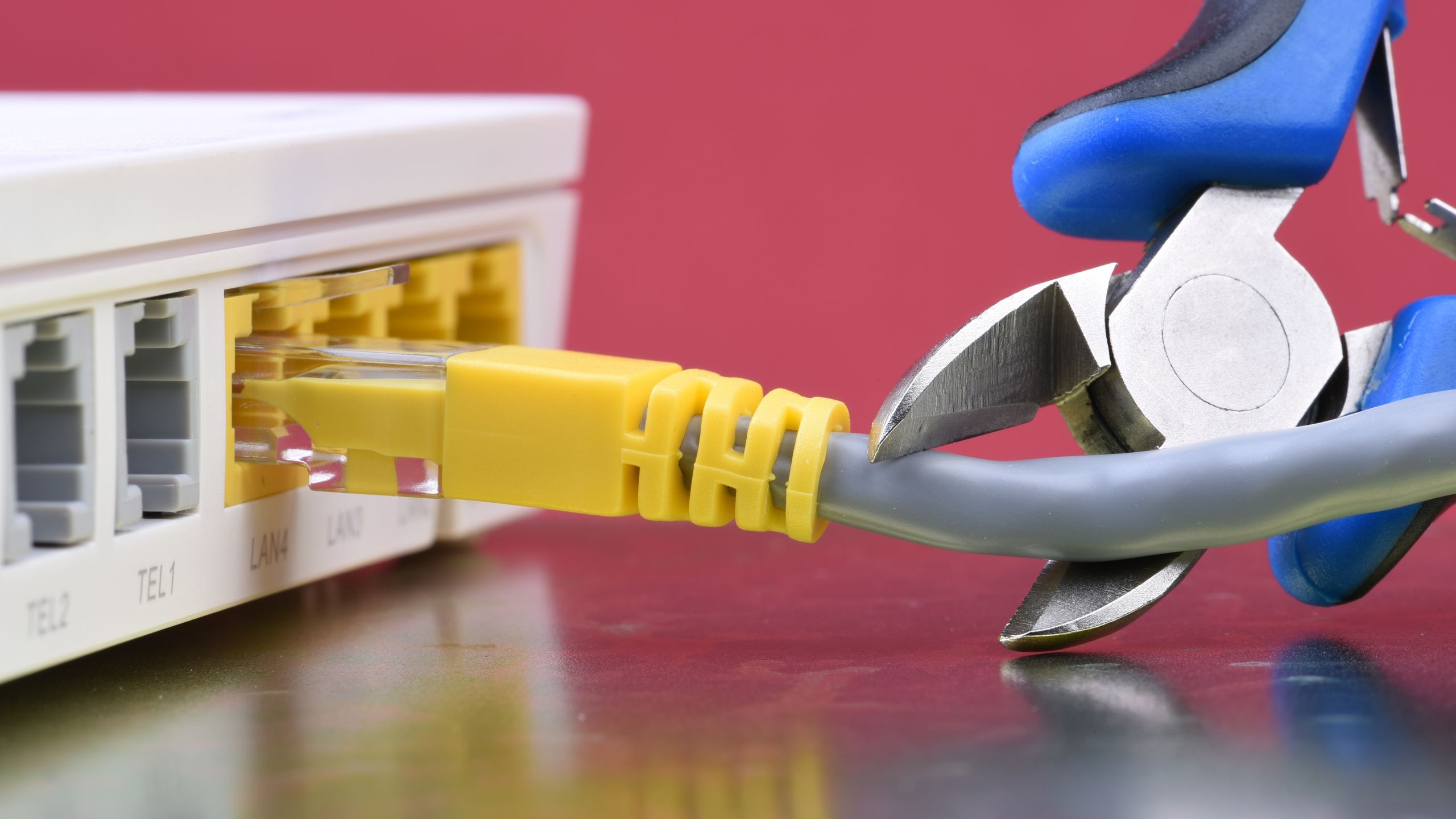
If you're in the US and thinking about purchasing a new router to upgrade your home Wi-Fi, your options could soon be drastically reduced, as the Federal Communications Commission (FCC) has introduced a ban on routers manufactured outside the US, claiming there is “an unacceptable risk to the national security of the United States and to the safety of American persons.”
The move comes after recent high-profile cyberattacks, in which the FCC says “foreign-made routers were directly involved.”
Article continues below.
Rooting for routers
Our list of the best routers is dominated by TP-Link (Chinese), Asus (Taiwanese), and Acer (Taiwanese) routers—all fantastic products, but any new routers made by those companies could now be banned from sale in the US.
However, there are several excellent routers from Netgear, which is an American company. However, while the company is based in the United States, most of its manufacturing is done in Asia (mainly Vietnam, Thailand and Indonesia, after moving from China to avoid the 25% tariffs imposed by Donald Trump on Chinese imports).
Additionally, its routers, like many of its competitors, are powered by Realtek chips, made in Taiwan. Since the FCC specifically mentions that it will no longer authorize foreign-made radios in routers, which handle wireless network transmissions and are a key part of the chip that powers the router, it means that Netgear's routers could still be banned, even though its stock price has risen nearly 20% since the FCC's announcement.
If this is the case, then people in the US could have even more trouble finding routers worth buying in the future; It could certainly end with our best routers list full of routers that can't be bought in the US.
What are your options?
There are a few potential ways router manufacturers could get around this ban. Netgear, for example, could move its hardware manufacturing again, this time to the United States, which is likely the outcome favored by the US government. However, that would be time-consuming and expensive, and would likely result in price increases for Netgear routers (many of which are already quite expensive).
The FCC also said router makers could apply for “conditional approval,” which could allow future routers to be sold in the US; however, it is currently unclear what this process would entail.
While there's a lot of confusion about this latest development, one thing I'm pretty sure of is that buying a new router could soon become more expensive for people in the US, especially if budget options dry up.
I'm concerned that this could affect even people who aren't interested in buying a new router. If you use the free router that comes with your broadband service, those routers could also be subject to the ban, which would mean your ISP would have to look for new devices. That's likely to cost money, and unfortunately, that cost will likely be passed on to customers, if not in the actual price of the router, which is usually included as part of your subscription, but in higher monthly prices.
With the price of computers and laptops rising thanks to RAM shortages, I ended up recommending people upgrade their Wi-Fi routers as the best value new upgrades they could make. This could soon become outdated advice (at least for the United States, not the rest of the world, which will still be able to buy these routers). As I told my colleagues when I first heard the news: “Good luck Americans, from now on you will have nice but expensive routers.”
So what do I do? now What do people recommend doing? For starters, don't panic: your router won't suddenly stop working or become illegal. This ban only affects upcoming routers, so existing routers will continue to work fine.
However, if you're thinking about upgrading your router, it may be better to act sooner rather than later, before your options dwindle. That said, don't rush into making a decision, as these routers won't disappear from store shelves overnight. Our buying guide to the best routers offers tips and price comparison tools to help you make the right decision.
If you're also worried that the FCC ban means your router poses a security threat, again I wouldn't panic as long as you have standard security measures in place (making sure you have a Wi-Fi password, a strong administrator password for the router, and antivirus software). While the FCC ban targets consumer routers, the cyberattacks it cites are aimed at large institutions that can (unfortunately) do the most damage. A single router used by a family to access the Internet won't be as big of a target.
Sure, this ban could lead to a boom in US-made routers, but that could take a long time to kick in as router manufacturers change how they manufacture products and, due to a variety of factors, these routers will become more expensive.
So my advice to people in the US considering a new router in the future is not to panic just yet, but if you've been hesitant to upgrade your home Wi-Fi, now might be the best time to pull the trigger.
Follow TechRadar on Google News and add us as a preferred source to receive news, reviews and opinions from our experts in your feeds. Be sure to click the Follow button!
And of course, you can also follow TechRadar on YouTube and tiktok for news, reviews, unboxings in video form and receive regular updates from us on WhatsApp also.