Research indicates that some of the largest brands are less represented and covered by AI assistants, while many disruptive and challenger brands are more prominently featured, Anita Balchandani, co-author of the report and senior partner at McKinsey in London, said in a recent webinar.
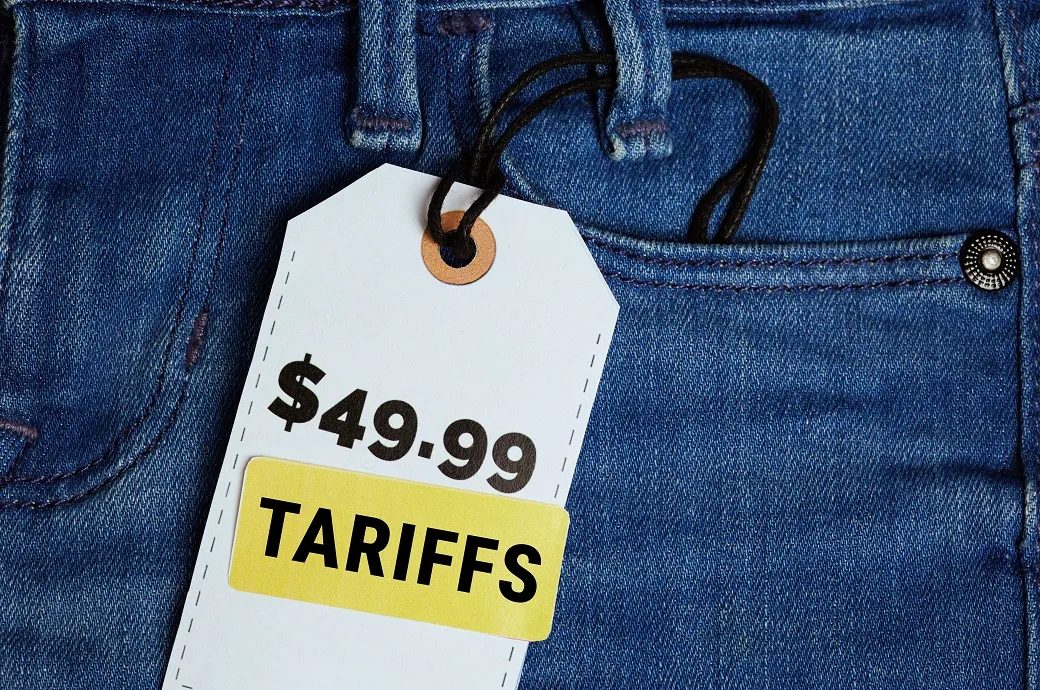
This year's dominant themes in the global fashion industry include agent AI, the growth of the resale market, the search for operational efficiency and strategic renewal in the luxury sector, according to The State of Fashion 2026 published by McKinsey and the Business of Fashion. Tariffs are the top concern of executives surveyed, and the second most cited concern was how to unlock efficiencies.
A second variant of this is agent search on brand websites. He noted that brands and retailers doing more in this space are seeing huge customer growth in agency search traffic.
Nine in ten consumers cite being part of a like-minded community as a major driver of brand connection. Therefore, brands need to think about moving from attention to retention, said Gemma D'Auria, another co-author and senior partner at McKinsey in Milan.
“We are also seeing that consumers expect more from the brands they interact with; short-lived interactions and 'dopamine hits' are losing their appeal. Consumers are seeking more meaningful and sustained connections with brands that reflect their evolving values and identities,” he said.
Resale is expected to grow two to three times faster than the first-hand market in 2027, he said, noting that brands have begun to embrace this channel and some of the initial concerns (about authenticity and lack of control over the product) have diminished.
Tariffs are the top concern of executives surveyed, and the second most cited concern was how to unlock efficiency, said Colleen Baum, third co-author and senior partner at McKinsey in New York.
“The levers that the industry has traditionally relied on – a small improvement in sourcing and full-price direct sales – will no longer be enough to deliver lasting efficiencies. The focus here is on finding the next step – through technology, artificial intelligence and innovation – that will allow not only to reinvest in the business, but also some of that margin to achieve the bottom line,” Baum said in the webinar.
The tariffs have increased prices for clothing and leather goods by about 35 percent from a first-cost perspective, and the sector is among the hardest hit by the tariffs in an inflationary market, he said.
In parallel, consumers are becoming more value-conscious: 70 percent say they plan to spend less and 80 percent indicate value-seeking behavior: waiting for deals or perhaps shopping at different retailers for the item they want. These factors have significantly affected working capital and days of inventory on hand, he added.
Fiber2Fashion News Desk (DS)