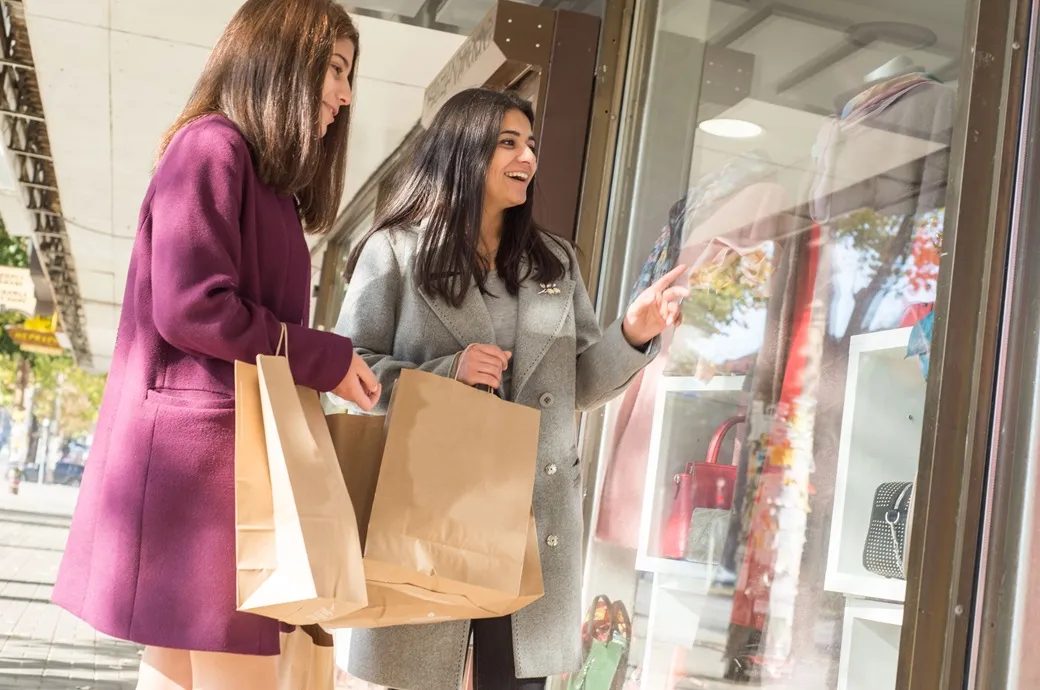
Fast fashion, particularly products priced below Rs 1,000 (~$10.82), dominates their consumption patterns, reflecting a clear preference for affordable shopping, Reedseer said in an article titled 'Gen Z: Defining Trends, Influencing Spending' by Mrigank Gutgutia.
India's Generation Z will drive nearly half of the fashion market by 2030, spending $1.3 trillion, according to Reedseer. Values conscious and digital natives, they favor fast and affordable fashion and are influenced by their peers and online content. Their choices prioritize identity, comfort and authenticity, while shaping household purchases.
Having grown up in a digital environment, Gen Z consumers show great comfort with online platforms, a behavior further reinforced during the pandemic years. As many enter the workforce, their spending is increasingly directed toward identity construction, and purchasing decisions are largely determined by peer influence and social validation.
Despite becoming the largest user base of major fashion e-commerce platforms, Gen Z consumers tend to spend less per transaction than millennials, underscoring their value-conscious approach. At the same time, categories such as men's accessories and sneakers are experiencing strong growth, indicating an evolution of consumption patterns across genders.
Comfort and versatility define Gen Z's fashion choices, with two-thirds preferring semi-formal or casual wear even in professional settings. Beyond personal consumption, this cohort plays a decisive role in shaping household purchasing decisions, particularly for emerging brands, effectively acting as internal influencers within families.
Generation Z prioritizes authenticity, inclusivity and self-expression: About 52 percent choose products that align with their identity, while nearly half discover brands through digital content. This has made influencer-led marketing and collaborations with creators critical to brand-building efforts.
The article emphasized that successful brands must move from aspirational messaging to identity-driven positioning, supported by personalization, community engagement, and cultural relevance. As Gen Z consumers establish long-term preferences in their twenties, brands that manage to build early affinity are likely to gain sustained competitive advantage for years to come.
Fiber2Fashion News Desk (SG)